Movies led by Black actors are more than just moments on a screen. I remember the first time I watched Love Jones during summer break in college. Seeing the work lives of writer Darius Lovehall and photographer Nina Mosley unfold onscreen only made me feel more represented as a soon-to-be creative. And beyond their day jobs, exploring the vulnerability as the two meet and spark a romance, grow in relationship with their friends, and simply exist and unwind listening to poetry in their neighborhood speakeasy illustrates the overall humanity Black people deserve in and outside of a theater experience.
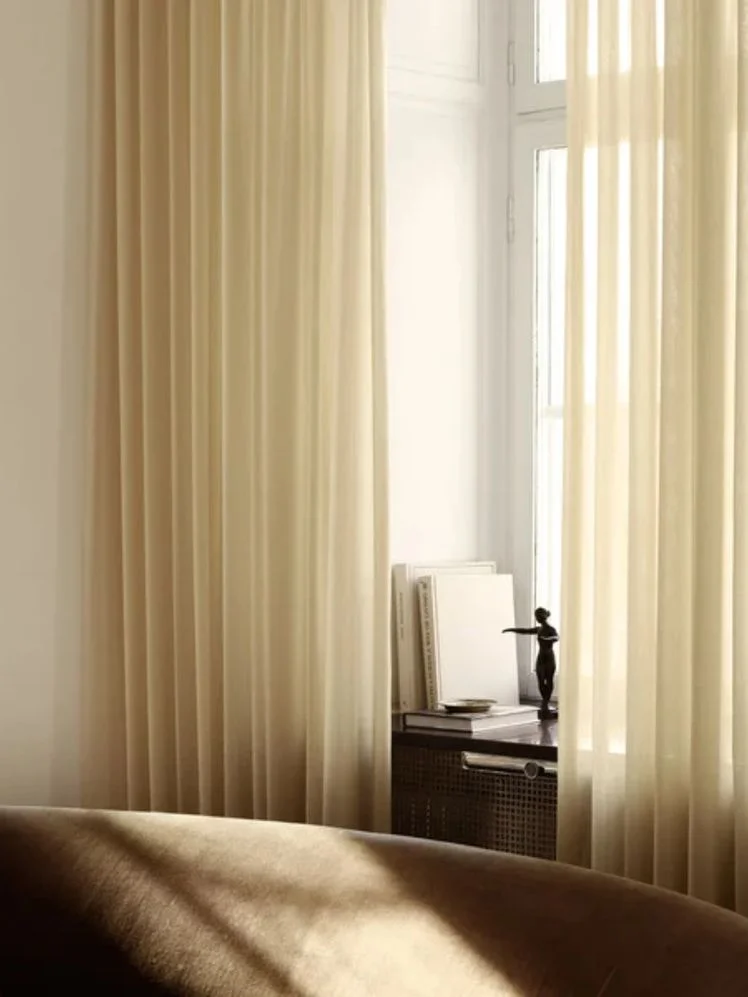
When it comes to the interiors, I’ll likely always envy Nina’s loft-style apartment in Chicago with the tall windows and ceilings (I live in New York City, what can I say) and vintage rugs and art that embodied her lived experience. After reaching out to AD100 and AD PRO Directory designers about the movies led by Black actors they love, I noticed style plays just as much of a role in setting the tone for all of their favorites too. Below, we dive into five films with iconic design and dynamic storytelling that honor the past, present, and future of Black culture. And to help you emulate the set styling, designers also shared ideas on how to recreate the looks.
Lady Sings the Blues
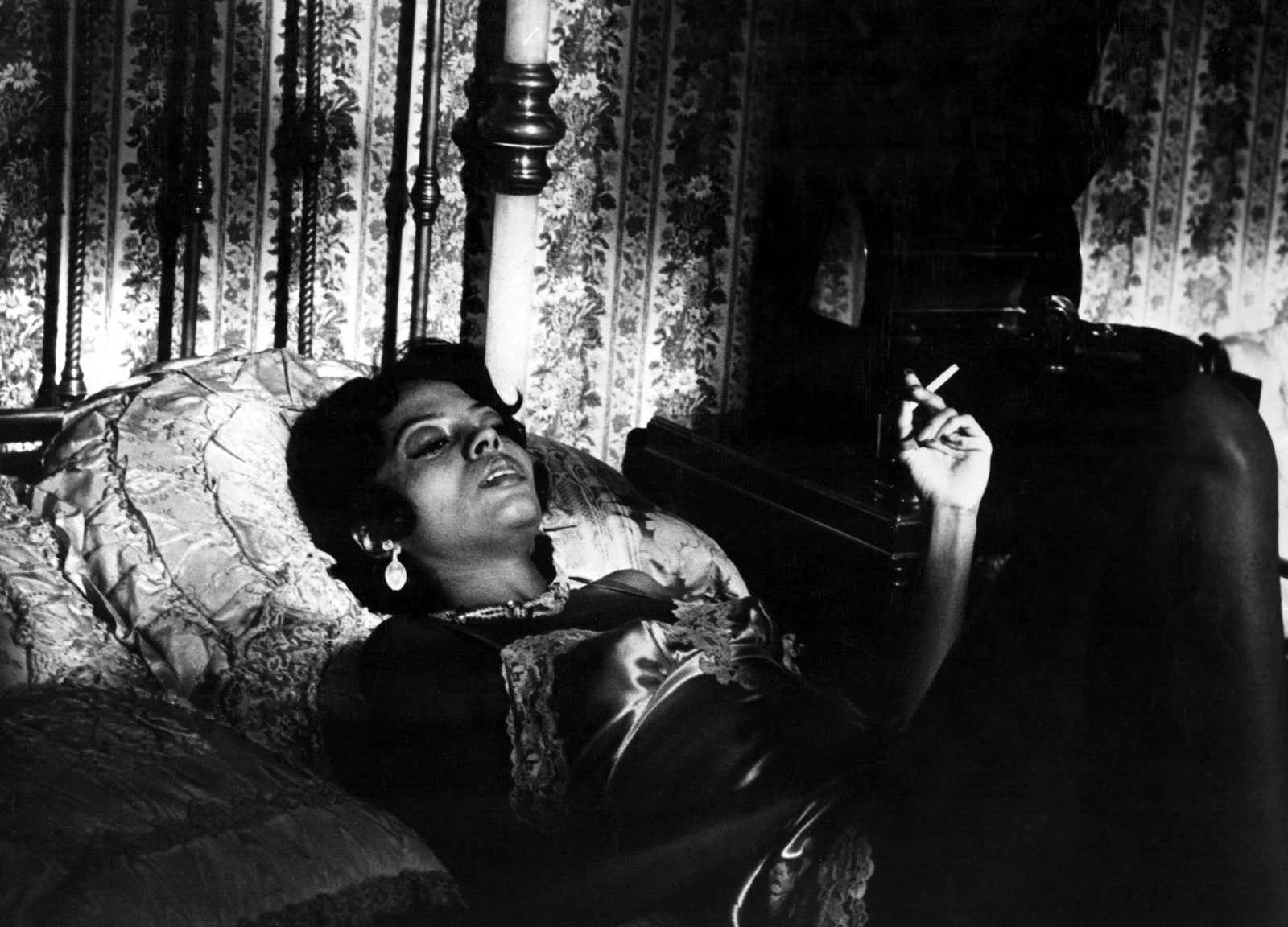
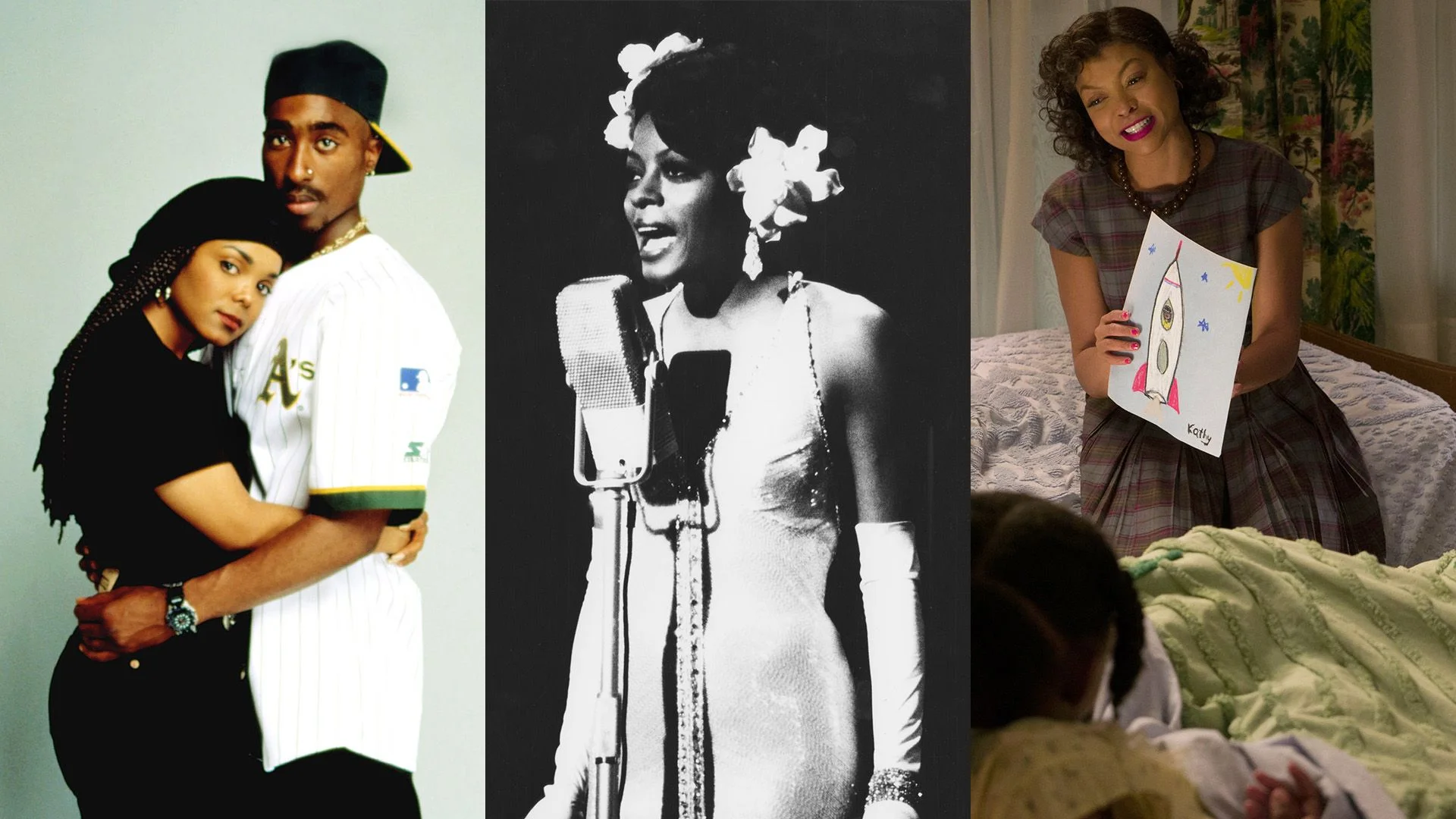
AD100 designer Brigette Romanek, founder of Los Angeles–based Romanek Design Studio, remembers as clear as day the moment when her mom, a singer, introduced her to Lady Sings the Blues: the 1972 biopic depicting Billie Holiday’s life. Diana Ross’s portrayal of the jazz singer otherwise known as Lady Day captivated Romanek, who would often hear Holiday’s music played around the house growing up. “[It’s] the story of a young Black woman fighting to do what she loved during a time when it was almost impossible to dream, having constant battles and hardships but still having passion in her heart and fight,” she says. “Everything about it was moving—the acting, the storytelling, the sets, the fashion, the emotion!”
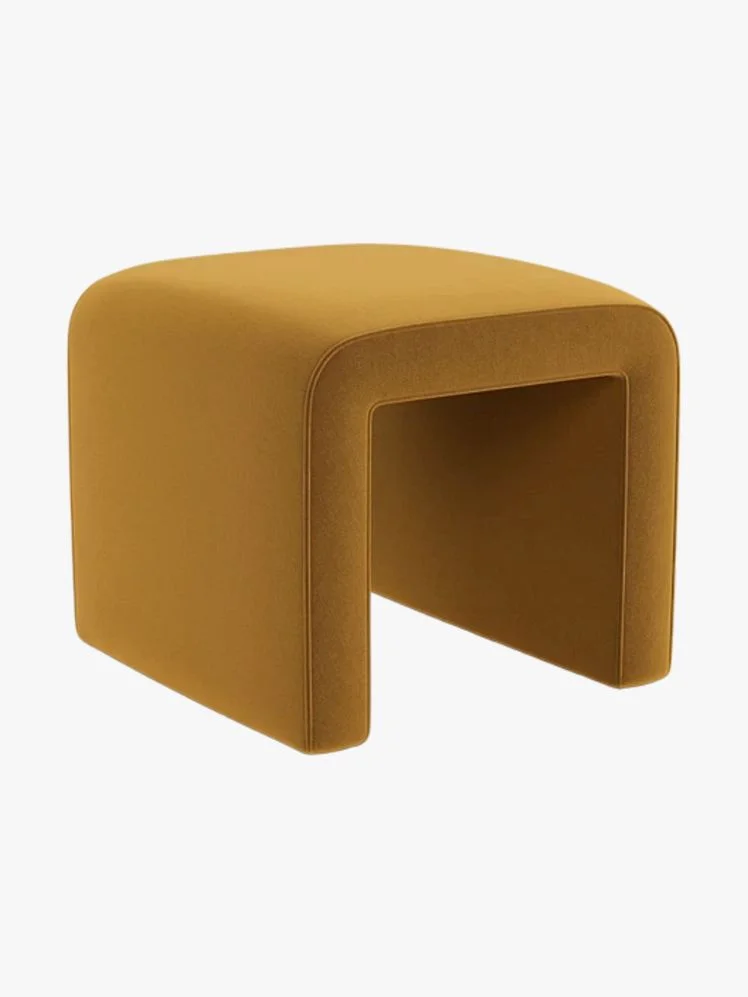
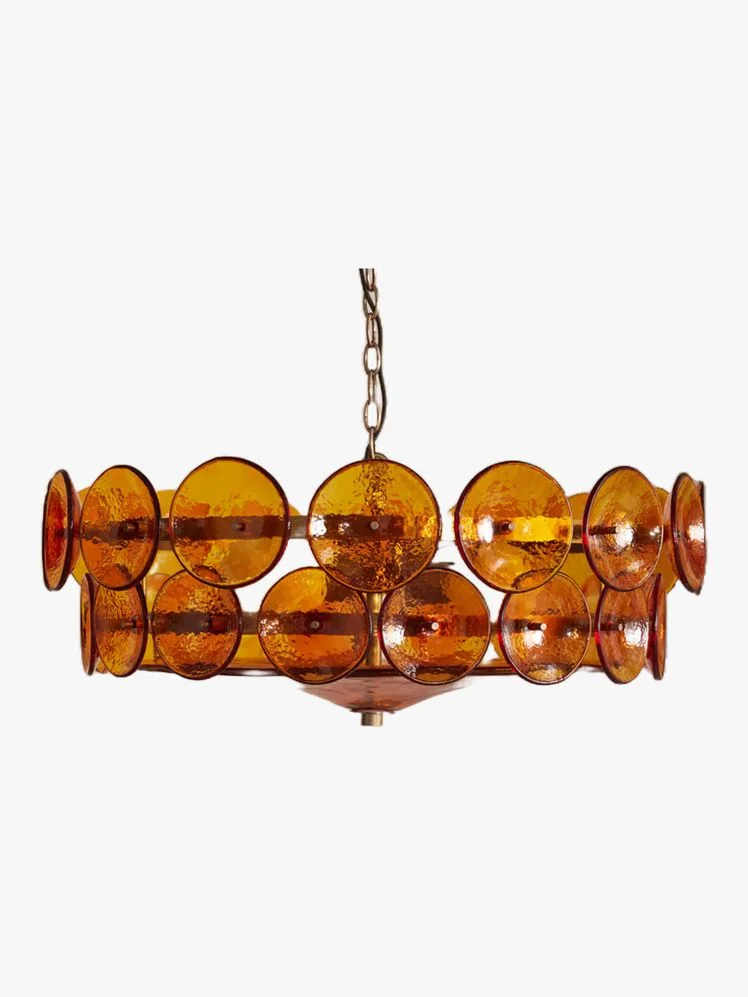
“The interiors are deeply rooted in jazz-era glamour with a strong Art Deco influence—curved silhouettes, mirrored accents, lacquered finishes, and layered textiles like velvet and silk,” Romanek recalls of the film. She explains that the design reflects Holiday’s evolution as an artist and a woman and serves as an emotional narrator throughout the scenes. “As her career grows, the spaces become more refined and layered, mirroring her rising presence and confidence, yet there’s always a softness that speaks to her vulnerability,” she says. Elements like moody jewel tones spill into the color palette, as well as warm, romantic lighting, each detail imbuing spaces with a touch of sophistication and ease that reflects Holiday’s elegance.
Poetic Justice
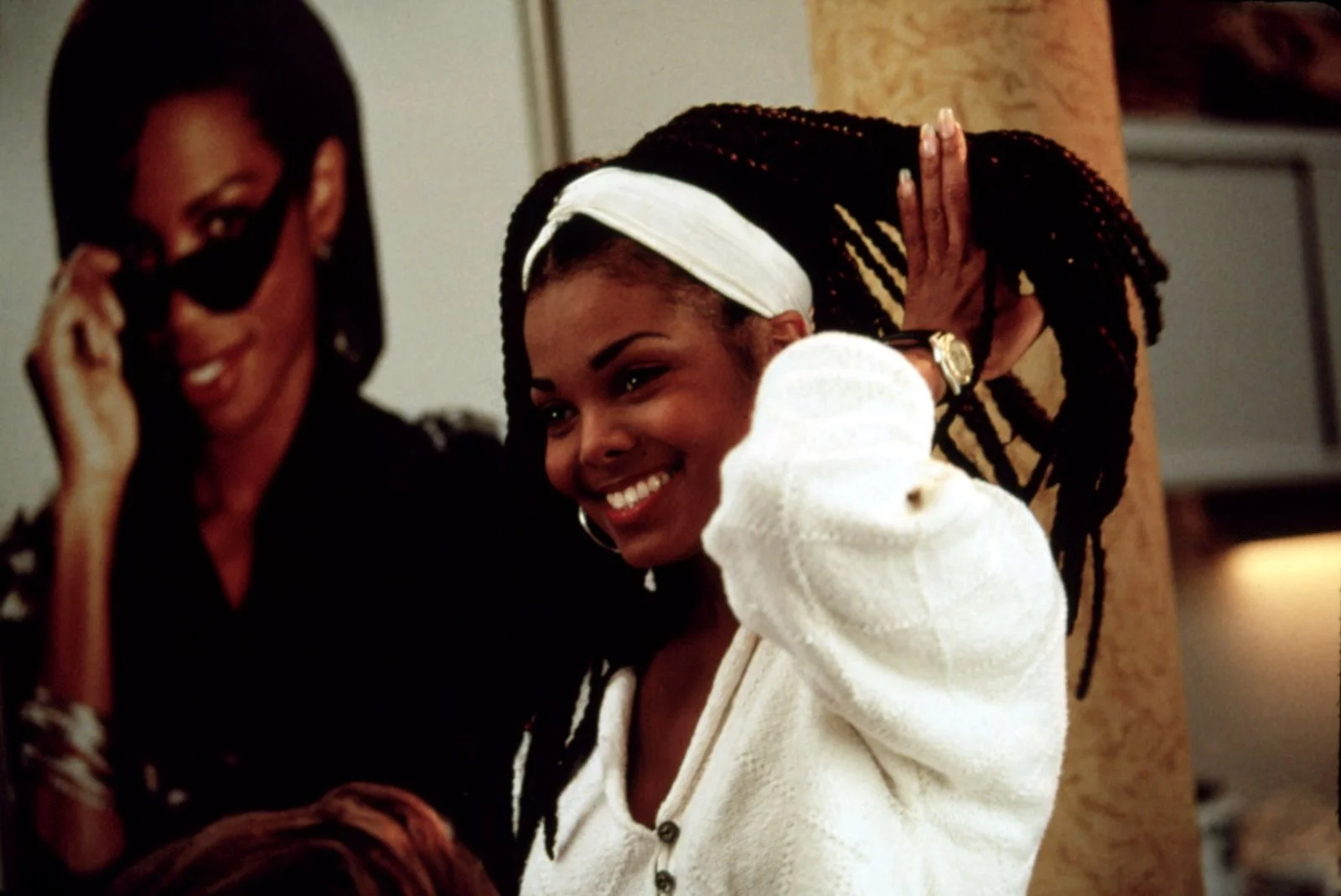
In Poetic Justice, the romantic drama film starring Janet Jackson and Tupac Shakur, the Los Angeles Craftsman house that Jackson’s character, poet and hair dresser Justice, lives in made AD PRO Directory designer Amber Guyton of Atlanta-based firm Blessed Little Bungalow fall in love with this style of home. “Now I'm obsessed with all things craftsman-style bungalows, and historic homes weaved into large cities, like the one I own in Atlanta,” she says. “The front porch surrounded by flowers instantly reminded me of my own grandmama’s home in South Carolina.”
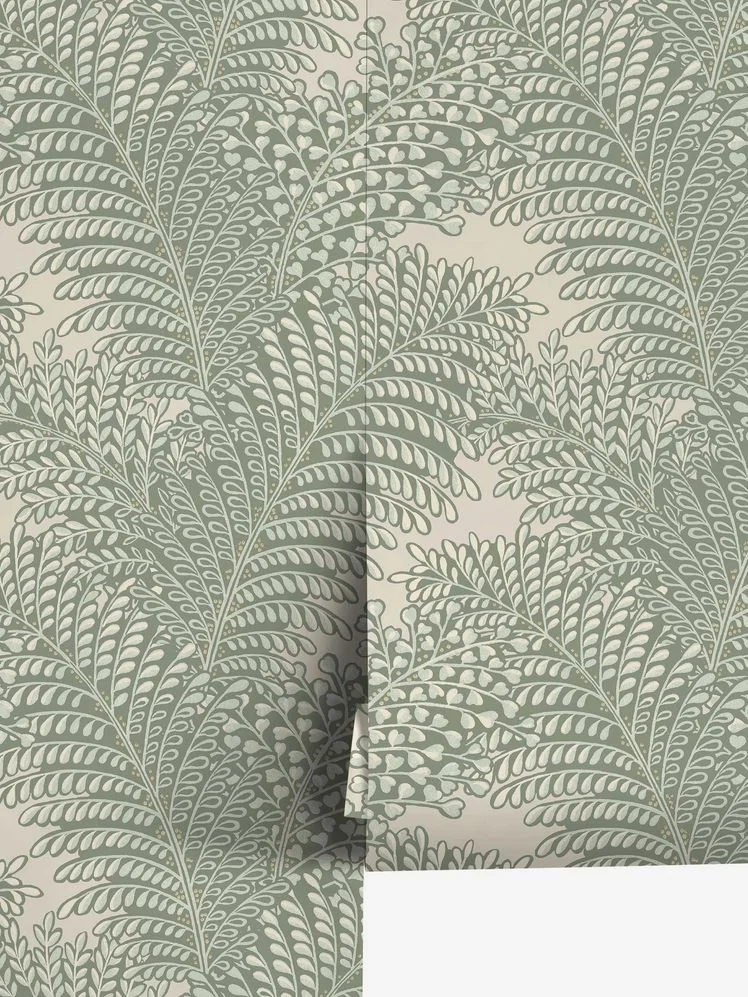
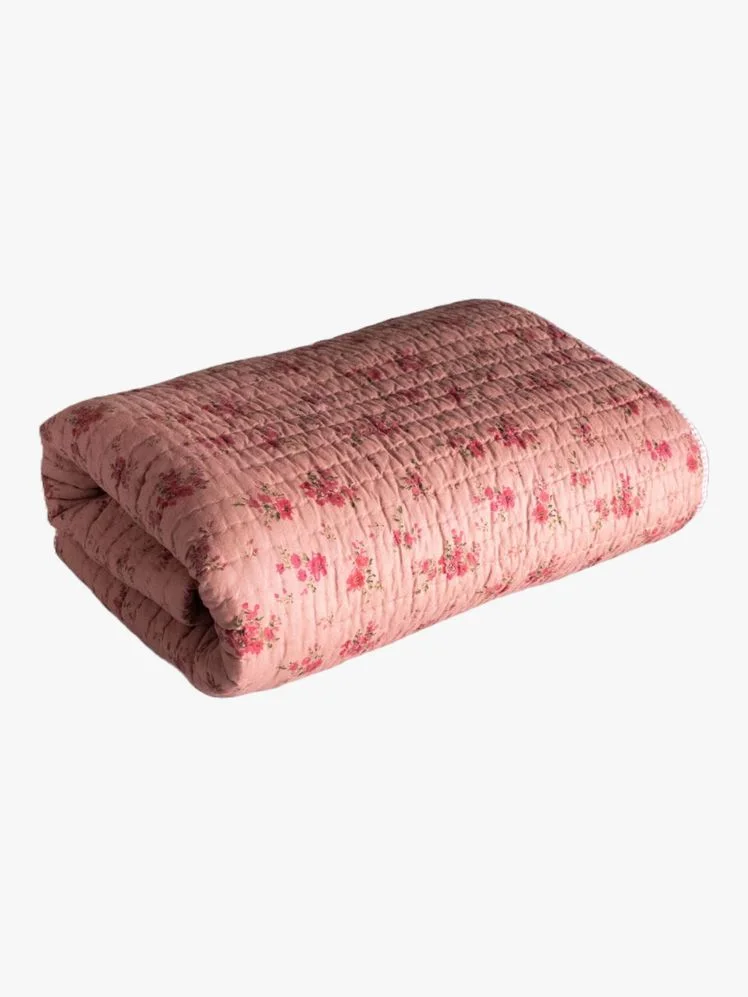
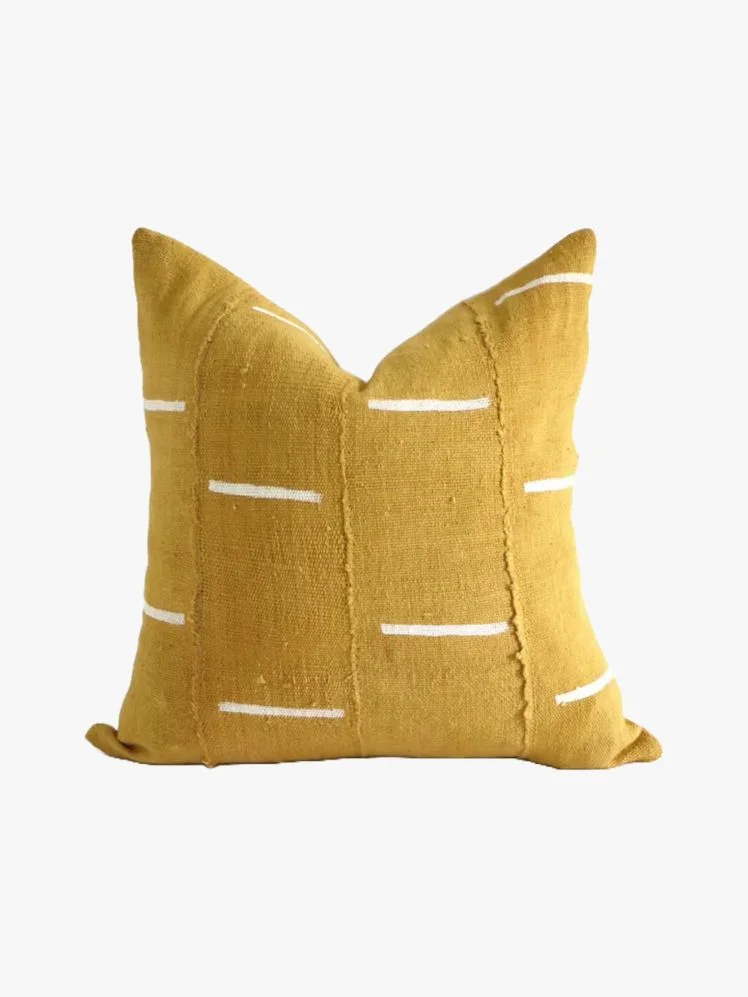
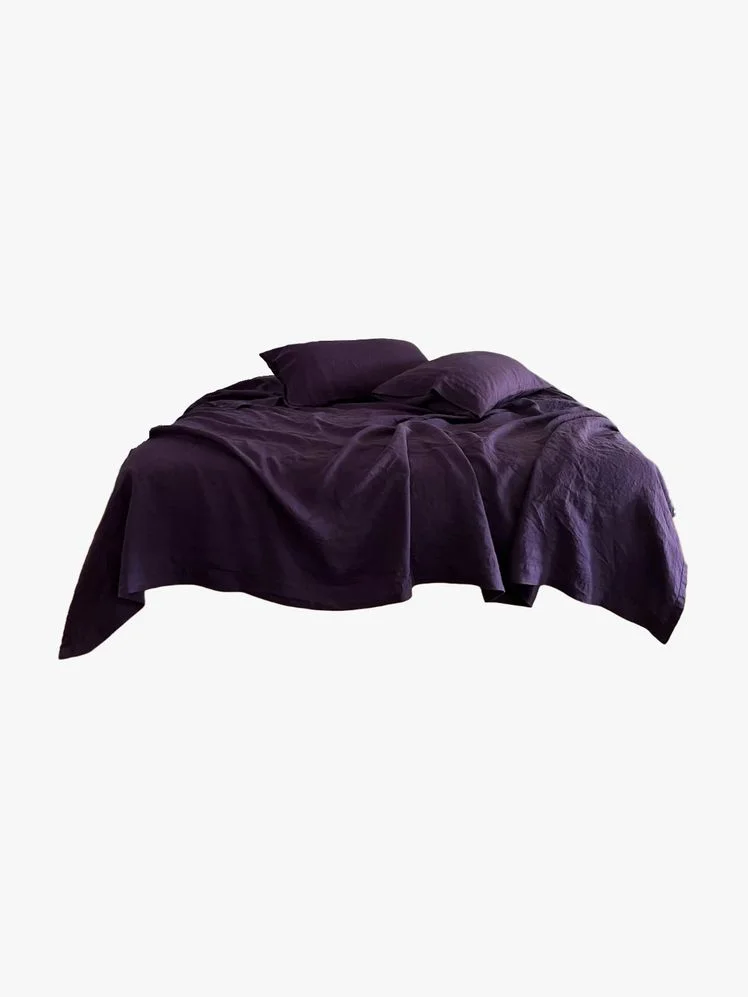
As the film takes us on a journey through the love story of Justice and Lucky (played by Shakur), we are also immersed in the worlds they create—from the family reunion scene that reminds Guyton of the cookouts with her loved ones in South Carolina to the places where they seek refuge. Guyton specifically remembers the scene where Justice, after experiencing the tragic loss of her boyfriend, is laying on her bed covered with a floral quilt and a mud cloth pillow braiding her hair. “It was a beautiful juxtaposition of her comfortable bedroom but uncomfortable grief battling in one space, and later in the movie there’s a similar scene where she has a new energy,” she says. “I also loved the jewel tone colors (lavender, gold, and teal), African print, Black art, and posters found in Jessie’s Hair Salon, reminiscent of Hype Hair Magazine and the sacred salon experience from the ’90s and ’00s.”
Hidden Figures
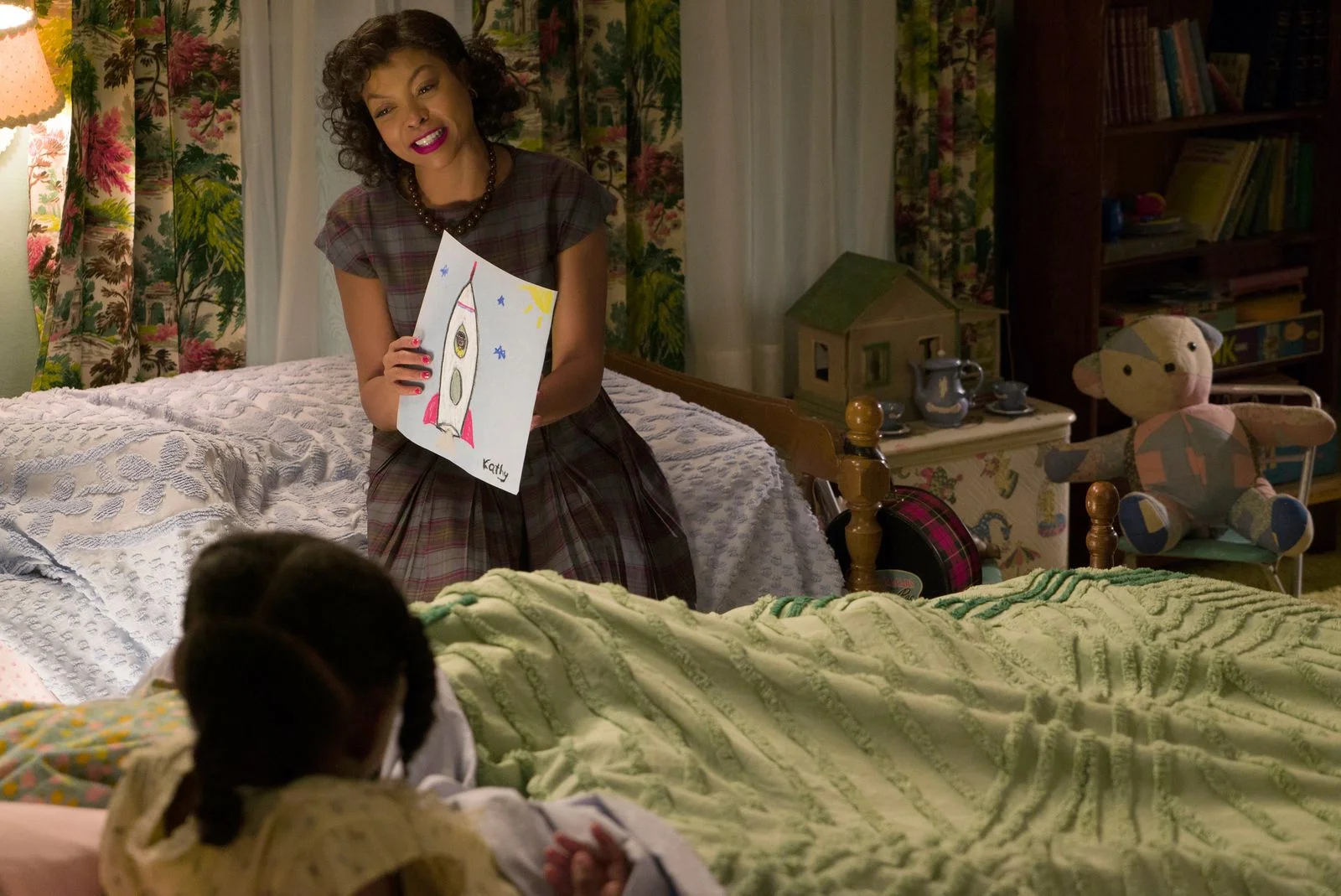
The midcentury ’60s-style homes seen throughout Hidden Figures hold a special place in the heart of AD PRO Directory designer DuVäl Reynolds of DuVäl Design in Fairfax, Virginia, because the color, textures, and designs remind him of his grandfather’s house. “From the clean lines and mix of natural materials, it is a look that was time-stamped—and one that easily defines the setting in which the movie is taking place,” he says. “It’s noticeable in the tapered legs of the furniture and the geometric patterns in fabric and wallpaper.”
The movie is inspired by the Black female mathematicians behind the Space Race, and the design featured throughout also ties to a larger moment in culture. “Because this visual language is so closely tied to the era, it inevitably evokes the broader social and political context as well, including the Civil Rights Movement,” Reynolds adds. “For myself, the aesthetic and the issues of the time are deeply intertwined and difficult to separate. So any time I see this style, I think of these issues.”
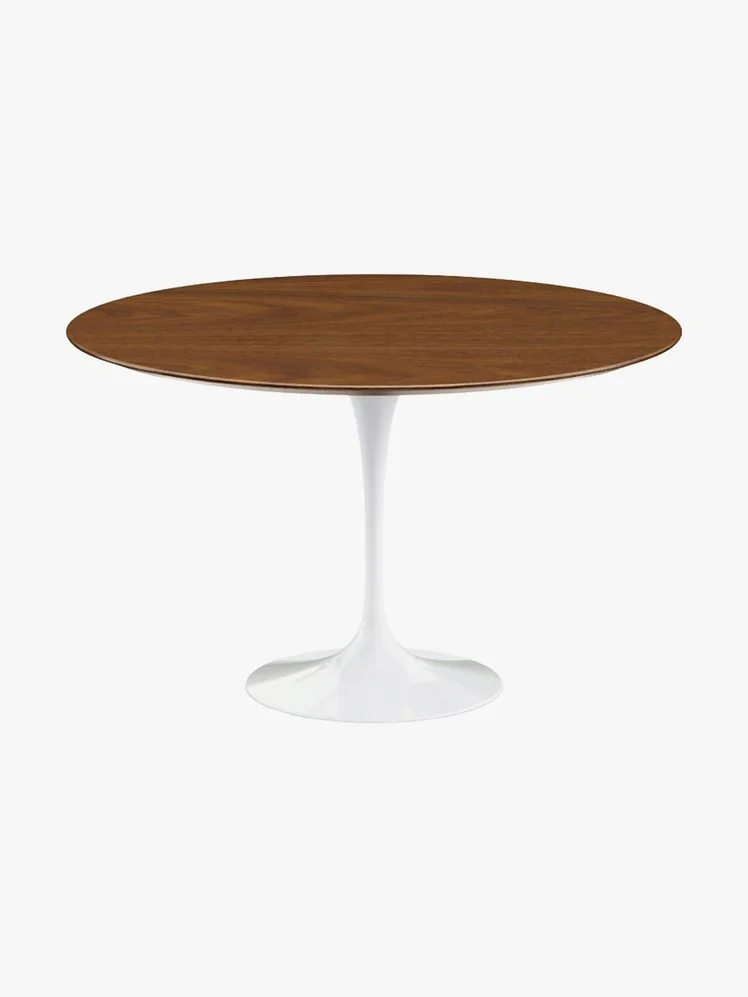
Nuances like the teal kitchen cabinet against a more relatively neutral orange-brown design backdrop always feel like a fresh and nice surprise when Reynolds watches the movie, along with features like a waterfall countertop. “Another thing that still sticks out is how much of the products that were designed and used in that day are still super relevant today,” he adds. “From tulip tables, flat-slab cabinet fronts, and chaotic wallpaper prints to accessories and decor you could still pick up today—it’s crazy how midcentury-modern is so long-lasting.”
Eve’s Bayou
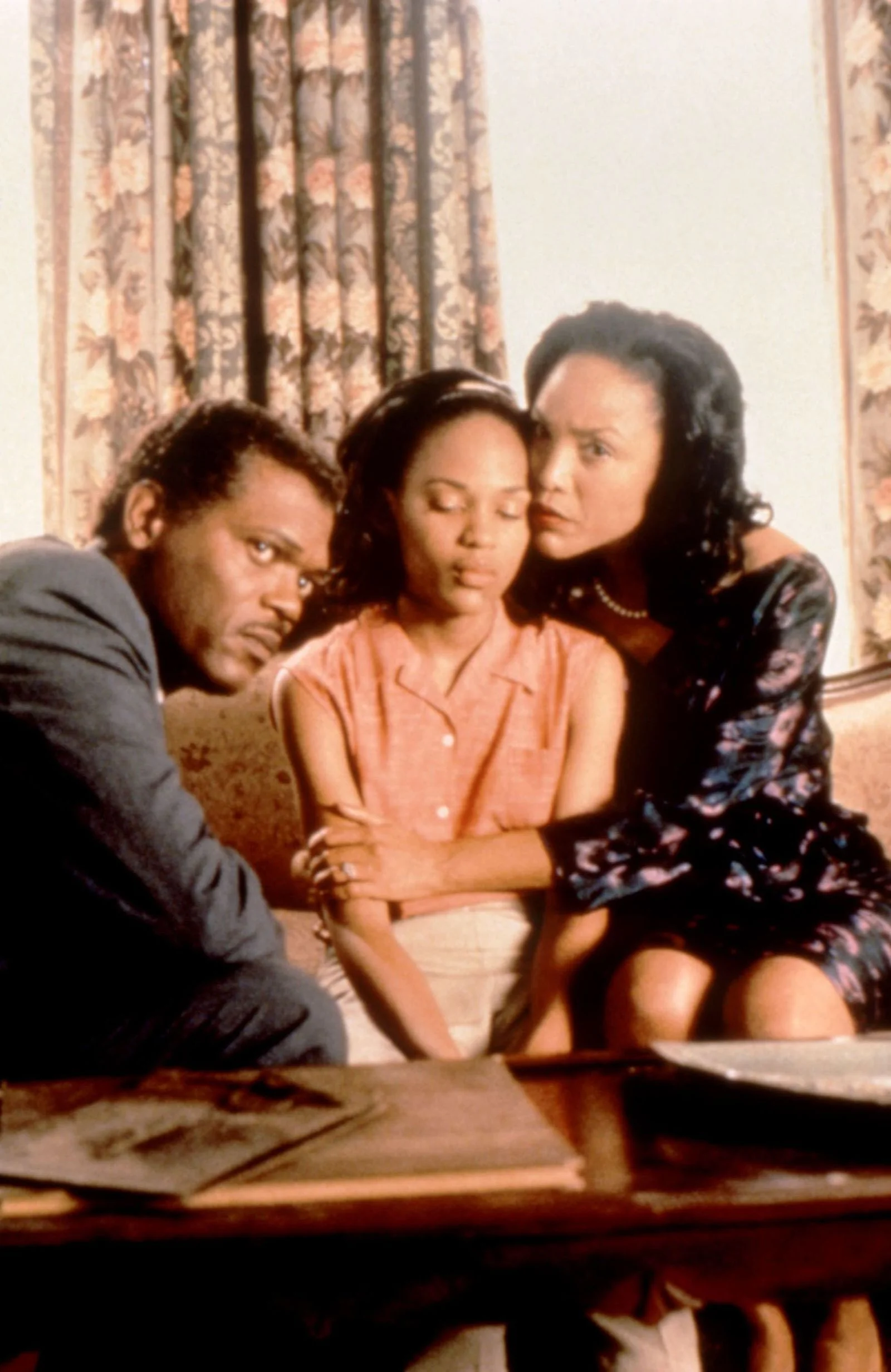
Another favorite of Guyton’s, Eve’s Bayou features the likes of Lynn Whitfield, Diahann Carroll, Jurnee Smollett, and Meagan Good starring in the Southern gothic drama set in Louisiana. The film follows the Batiste family through the eyes of Eve, portrayed by Smollett, as she uncovers deep family secrets. In the film, you can’t help but notice the style of the homes in the community, ranging from Victorian to Colonial furnishings. “When watching Eve’s Bayou, you are immediately enveloped by the Louisiana culture,” Guyton says. “Everything from the music, French and African influence, majestic trees, and soulful homes; it was a fantasy.”
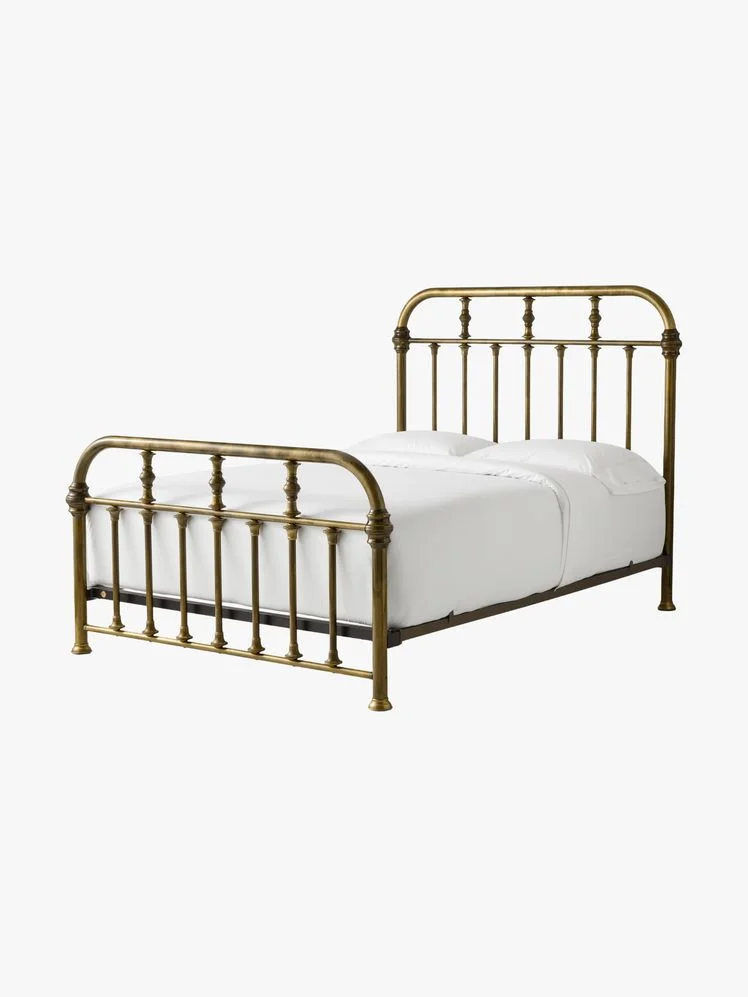
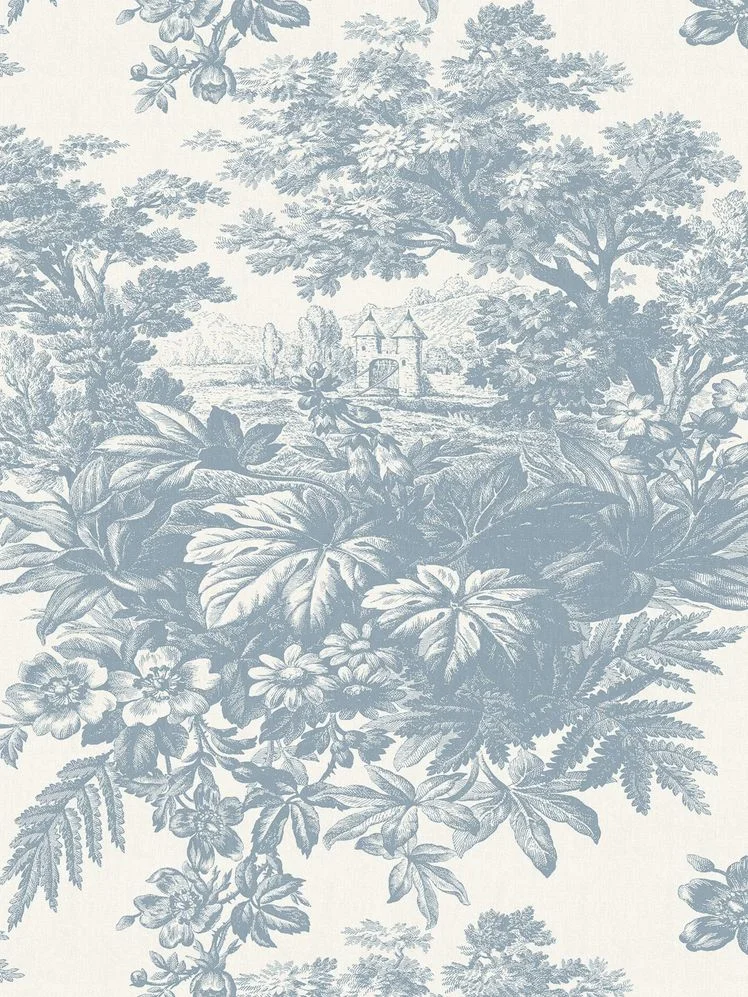
This film introduced Guyton to distinct design details like toile wallpaper, which she spotted in the entry foyer where Eve and her siblings caught wind of family gossip. “I saw mahogany and walnut wood at every corner with large dressers, armoires, and four-post beds,” Guyton says. “The walls and surfaces were covered with ornate mirrors and family portraits, echoing legacy through the halls. There was so much dignity and beauty that made me believe Black wealth and monarchy could exist in the South because of the Batiste family.”
Clueless
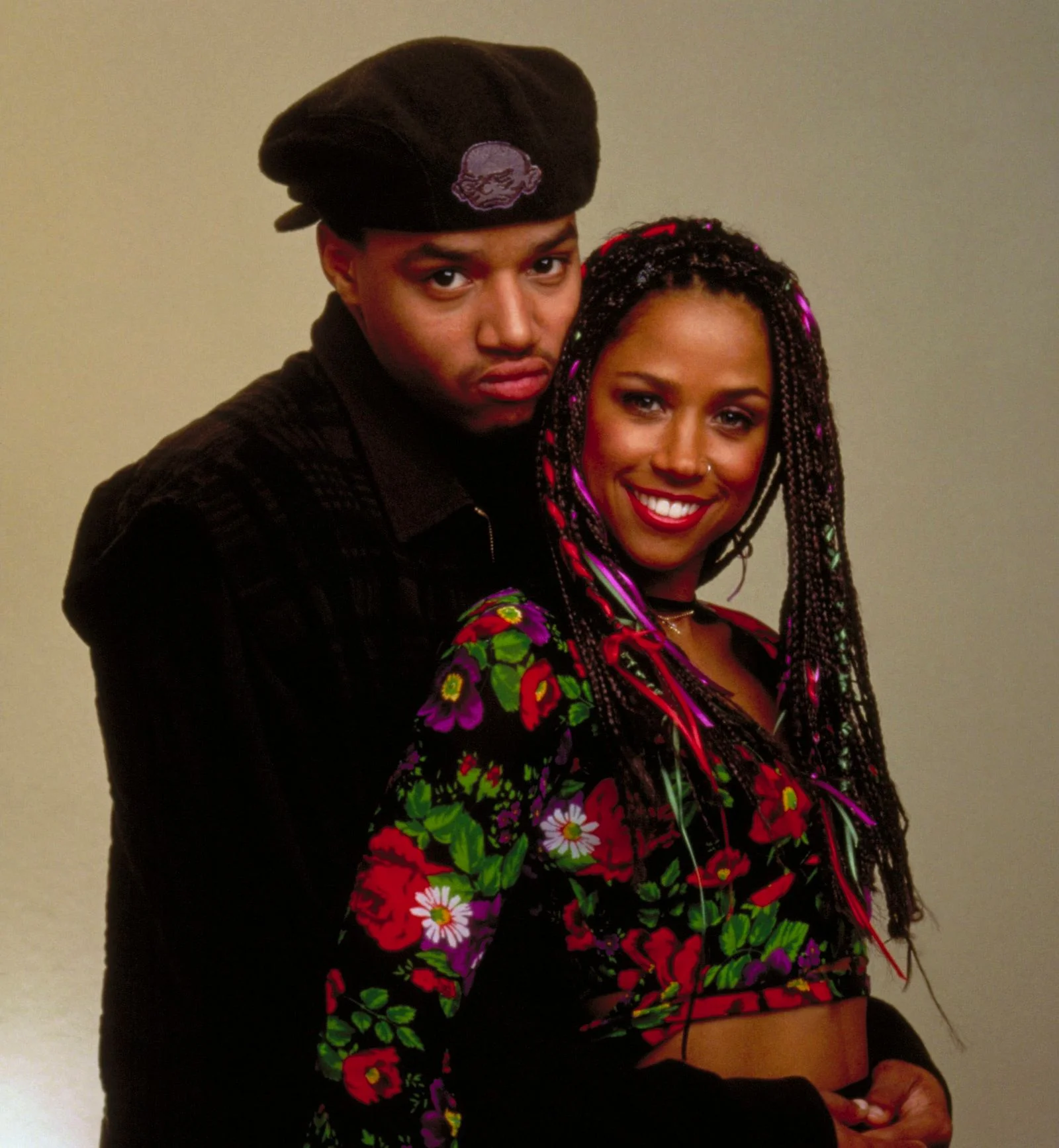
Donald Faison and Stacey Dash are who AD PRO Directory talent Leah Alexander, principal of Atlanta-based design firm Beauty Is Abundant, calls the “essence” of the cult classic Clueless. “The scene with Donald Faison approaching the camera to Salt-N-Pepa’s “Shoop” is everything,” she says. “It’s still a super-solid cultural moment today.”
From Tudor and Spanish Revival–inspired homes to English-style estates and fairy-tale cottages, Alexander’s love for the film is linked to the range of houses sprinkled throughout the film—familiar sights for the designer, who grew up in California. “The movie featured the stunning homes of each character, from Dionne’s and Cher’s to Tai’s [played by Dash, Alicia Silverstone, and Brittany Murphy, respectively] and background scenery including a home known as The Witch’s House in Beverly Hills,” she says. “A scene from quintessential LA Circus Liquor and Rodeo Drive makes this movie so fun to watch and makes you appreciate how much LA has changed.”
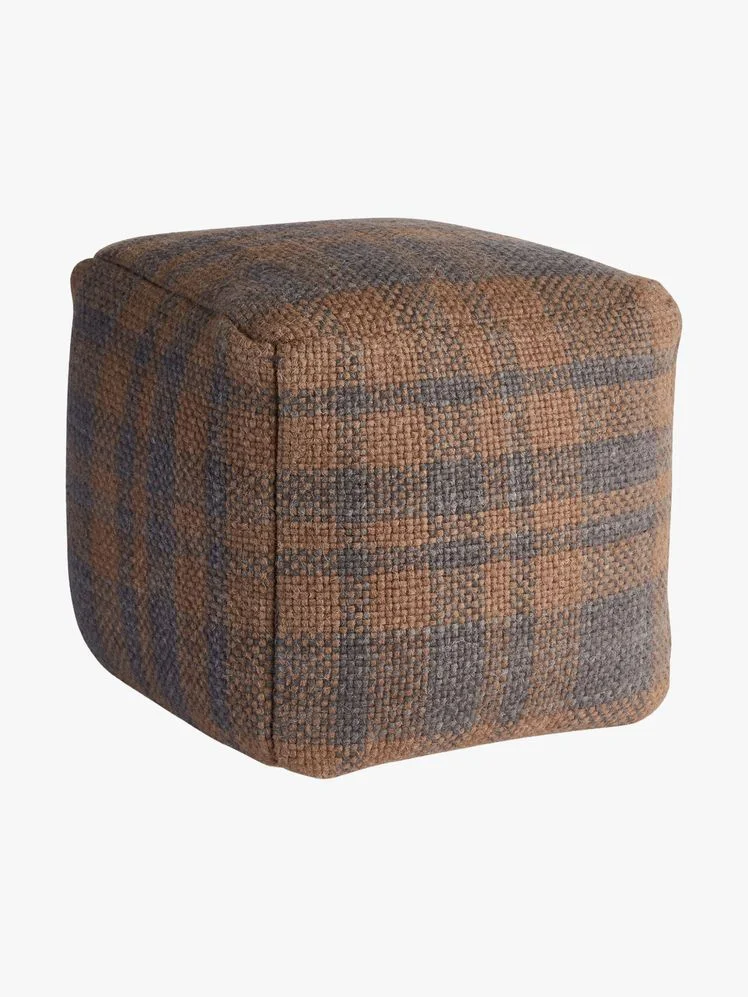
Dionne’s Tudor-style mansion is the biggest design moment in Alexander’s eyes, with “a stunning tiered roofline, stone façades, wood paneling, and French windows—a grand backdrop to her red-and-plaid ensemble.” Although the interior design schemes laid out in the movie aren’t quite what she’d emulate today (unless you’re living in a classic Beverly Hills mansion), she says a “clean-lined pouf or ottoman in a preppy yellow or red plaid could be fun in the right space.”