For years, Athena Calderone was synonymous with a certain style of Brooklyn minimalism. Light, airy, black windows, white marble—all seen in the Cobble Hill town house she shared with AD in 2018. But with the debut of her new Tribeca apartment on the cover of the April 2026 issue of AD today, the founder of Studio Athena Calderone and lifestyle media brand EyeSwoon is declaring: The old Athena can’t come to the phone right now.
Her new pad—once home to renowned French architect Thierry Despont—is full of wood and Art Deco influences. It’s darker, moodier, and decidedly worldly, so it’s no surprise that the tastemaker found much of her inspiration abroad—literally.
After selling her place in Brooklyn and starting renovations on the new Tribeca pad, Calderone found herself without a New York City home base (she has a place in Amagansett, New York). “I found myself spending more nights in hotels than ever before,” Calderone tells AD. “Interestingly, my creative work also expanded beyond New York to around the world, from Vienna to Rome, Paris, and Milan. As I moved from room to room, city to city, I mastered the art of elegant transience. I noticed the small details that make a hotel room feel like home—materiality, atmosphere, proportion, palette—and brought them back to mine.”
Below, in her own words, Calderone shares the hotels around the world that inspired her style evolution.
Sacher Hotel, Vienna
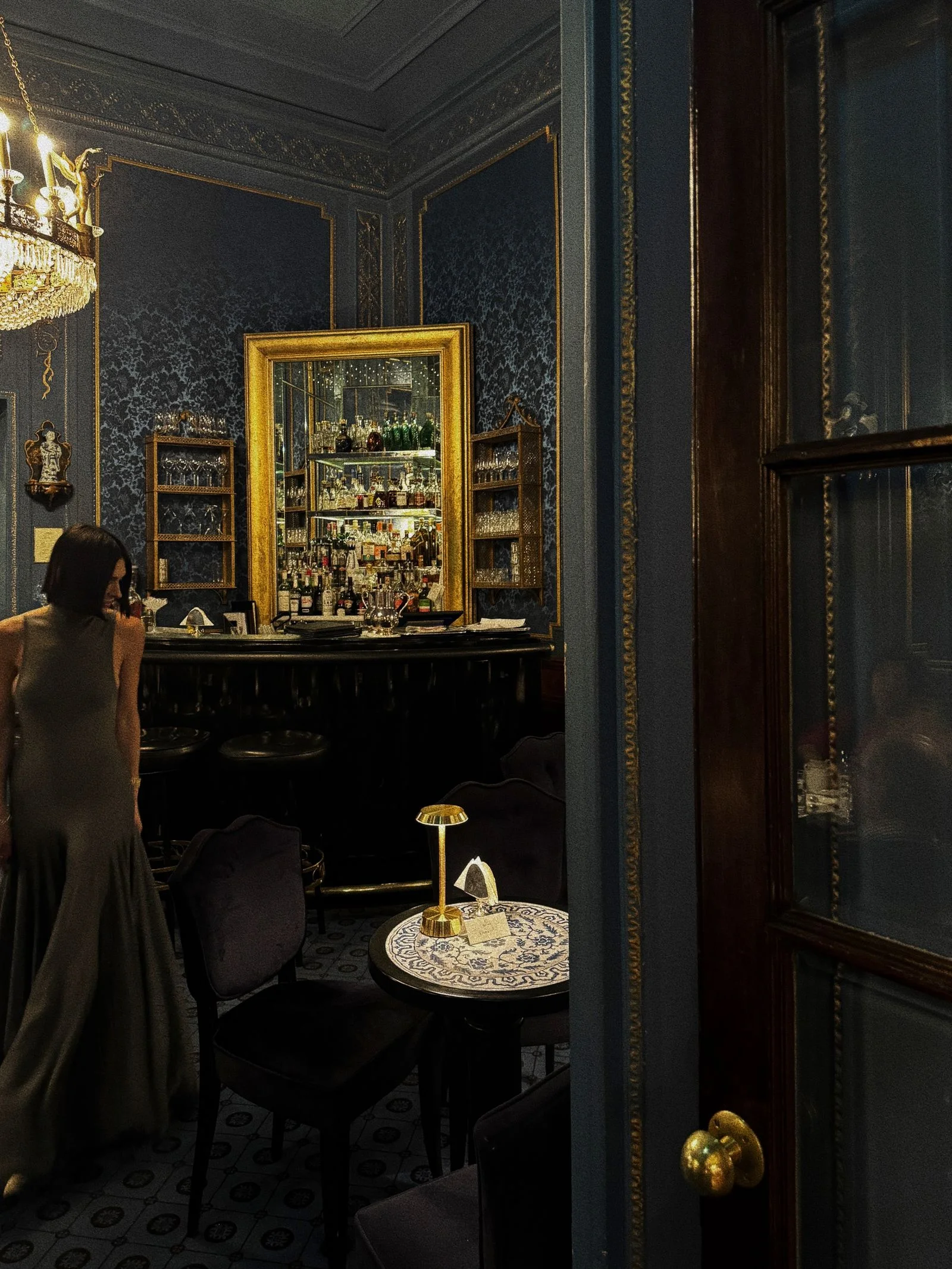
The moment I walked through the threshold of what is now our Tribeca apartment, I thought to myself, This feels like Vienna, which is odd since I’d never been to Vienna at the time or knew much about its design history. We often say we want to do many things, and life gets in the way, but I trusted this echo in my mind telling me, VIENNA! One year later to the week, I chose to listen to my intuition and travel to this magical city for the sole purpose of feeding my eyes, to explore the culture, art, and architecture of Klimt, Loos, and Hoffmann, and to research the Viennese Secession to inform the foundational design elements of my Tribeca apartment. I stayed at the iconic Sacher Hotel, which felt more like a portal into a bygone era than a hotel. I took notice of every minute design detail from the intricate tassels, the enveloping, saturated hues of the Blaue Bar and Rote Bar, to the decadent gold elevator—filing it away in my mental catalogue to reference later. Every touchpoint is a design lover’s dream. Like stepping back in time in the most beautiful way.
Palazzo Talìa, Rome
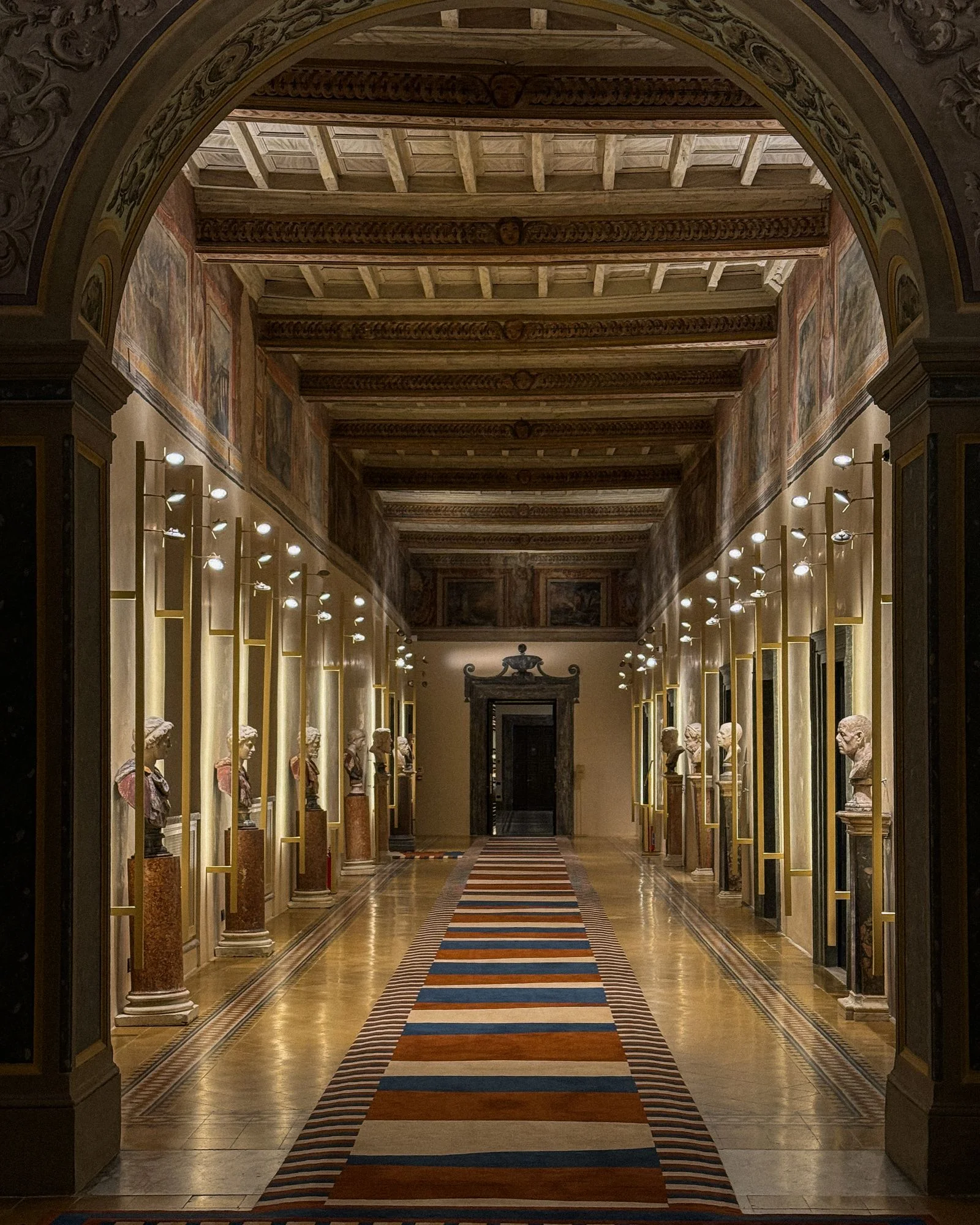
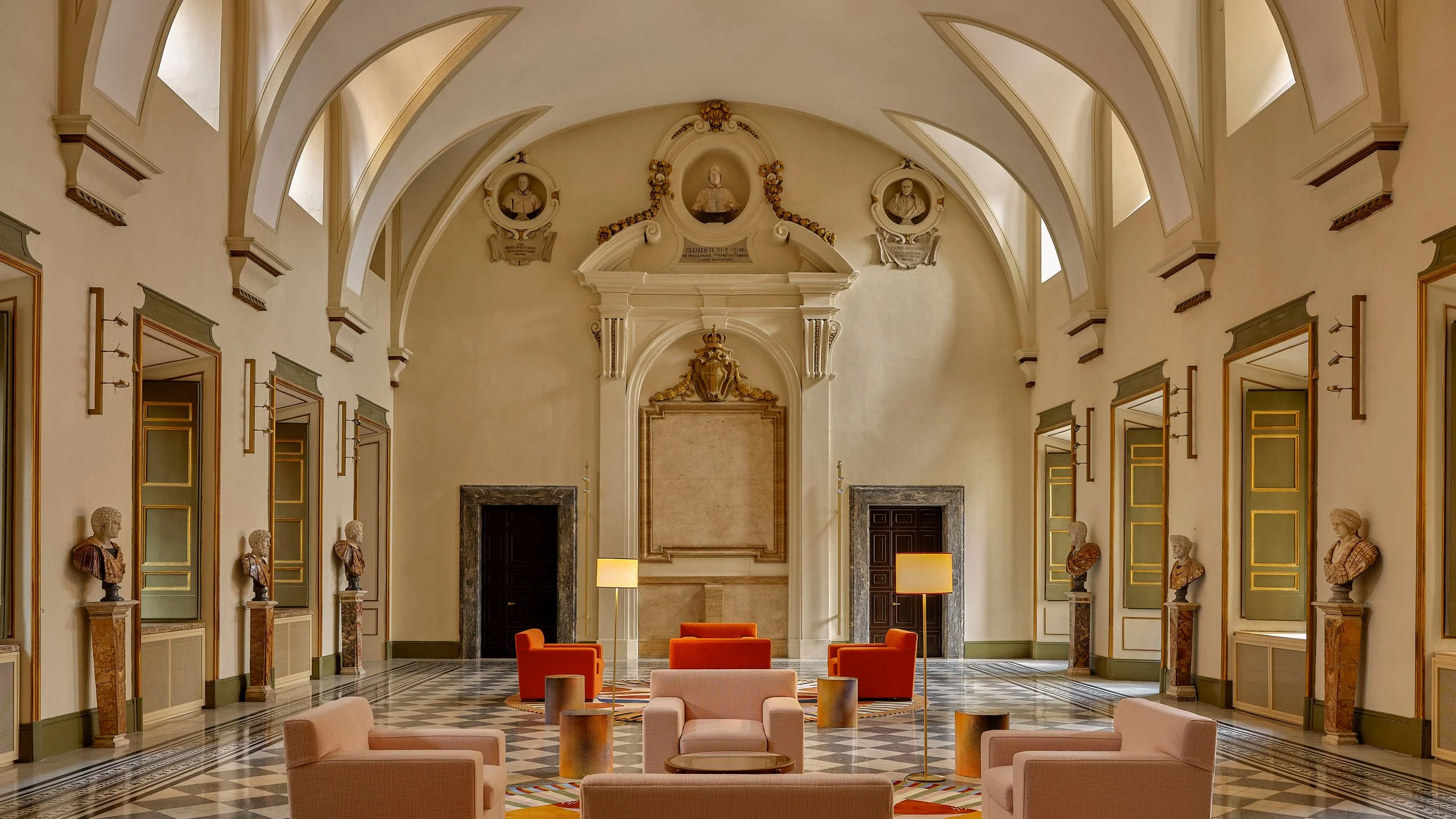
The eternal city evokes eternal beauty at every turn. There is a grand opulence to Palazzo Talìa. You can feel the three centuries of history within its walls. They’ve managed to fuse the feeling of an open and welcoming home with the grandeur of a palazzo that dates back to the 16th century. It’s been impeccably preserved with a contemporary design appeal, but it has this incredible intimacy thanks to the fact that it only has 26 rooms. The grand Aula Magna, where we held my 50th birthday, features breathtaking ancient frescos on the arched ceiling, marble flooring, and sculptures. It is this magical coming together of past and present, old and new. Every single detail in this hotel fed my eyes and inspired so much of my design ever since.
Cour des Vosges, Paris
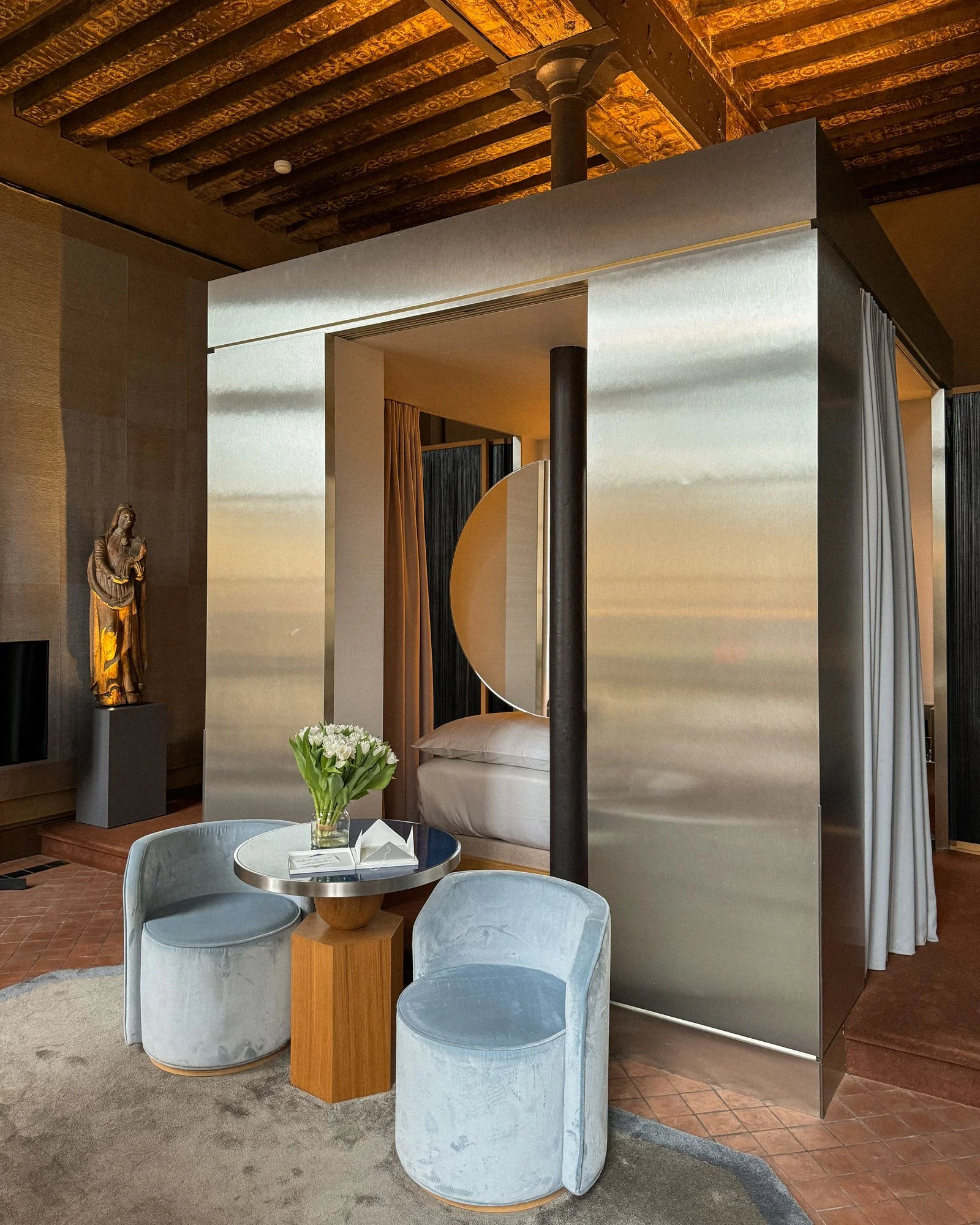
The beauty of travel lies in its slowness. I love to follow every crumb of inspiration, to allow my eyes to absorb, and to make connections without a time limit. This hotel had me diving down the rabbit hole of discovery with its striking interior that fuses the building’s historic bones with modern moments. It feels deeply Parisian with a modern clarity—architectural moldings and antique furniture are punctuated by a contemporary palette of dusty mauves and pastel blues. Opulent yet understated. I always return home ripe with creativity.
Six Senses, Kyoto, Japan
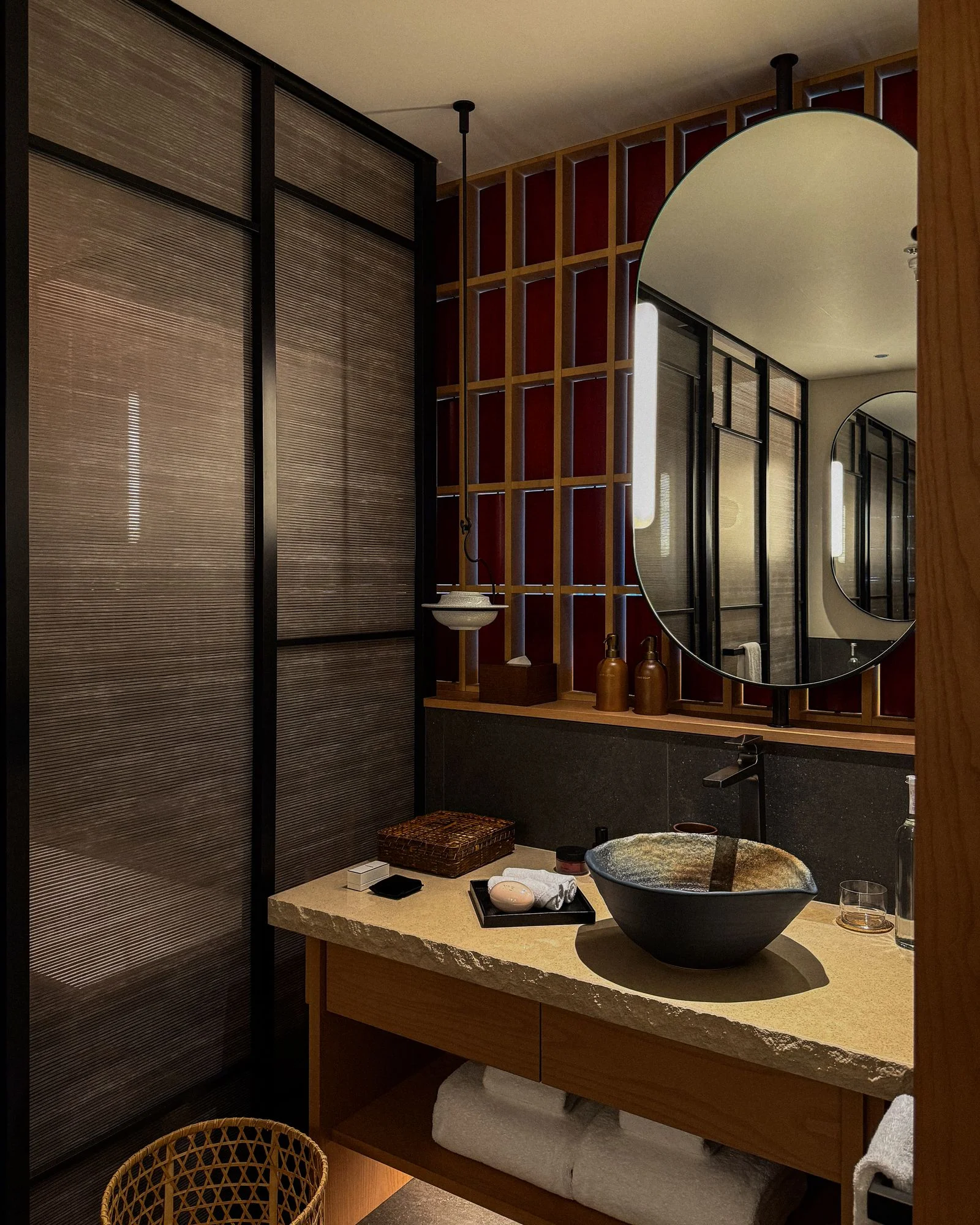
Visiting this ancient city was life-altering. I was deeply moved by their intentional approach to architecture and design. From the 13th-century Nanzen-ji Temple to the Katsura Imperial Villa, there is a reverence for natural materials, neutral palettes, clean lines, and a sense of lived-in serenity. My response upon entering these spaces was visceral. I felt an immediate sense of ease and awe. This is architecture that soothes you, an antidote to overstimulation. These deliberate gestures of intimacy, history, and presence definitely inspired the design of my own home, The Atelier, and future projects.
The Twenty Two, New York
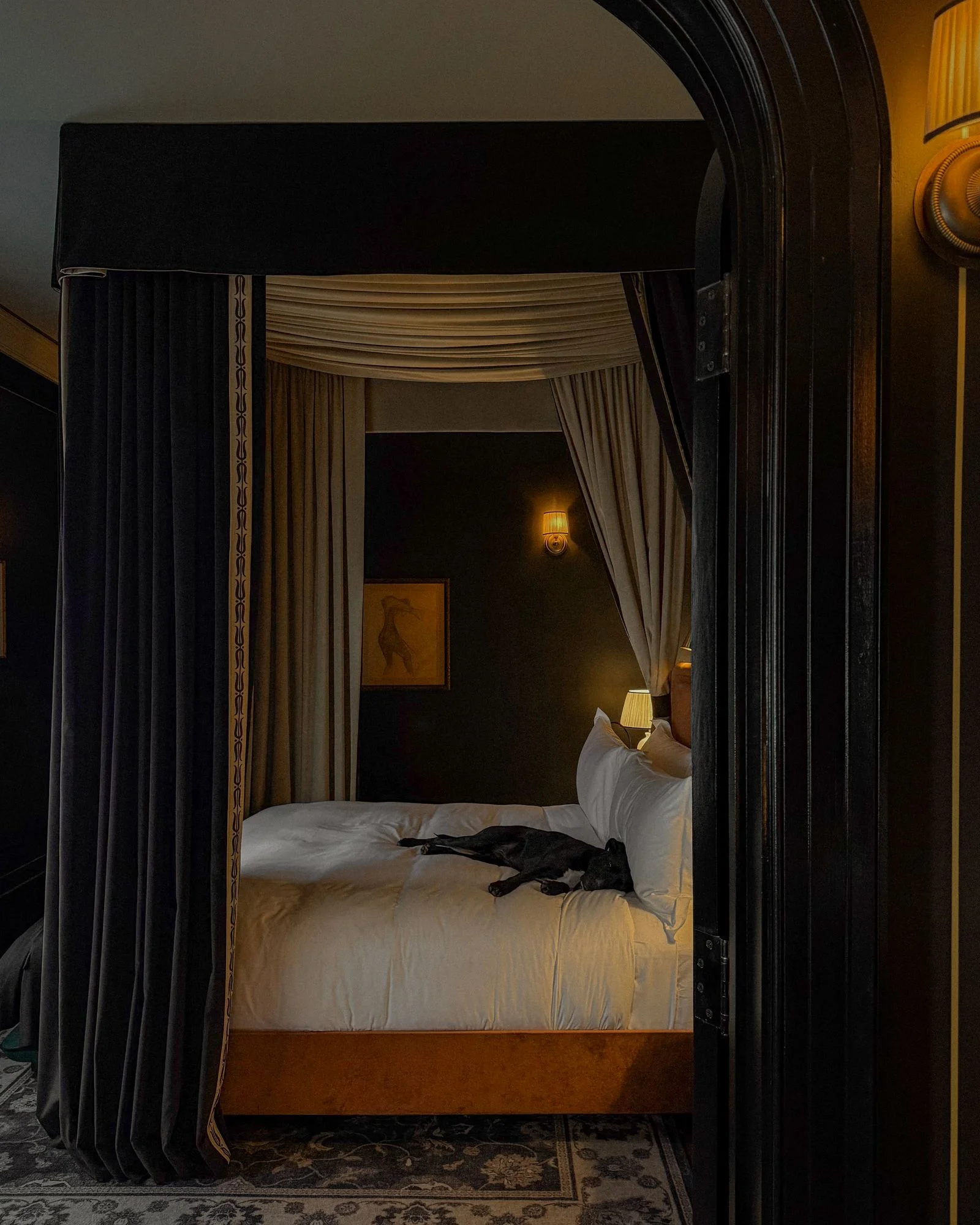
This is by far one of my favorite hotels in New York. The rooms feel intimate and sexy with a rich palette of dark woods and deep velvets, all set against the moodiest lighting. The design evokes an understated elegance, both layered and luxurious, with an atmosphere that merges history with how we want to live now. Oh, and their restaurant, Cafe Zaffri, is pure grace. The artisanal wall covering exudes an old-world atmosphere, and their Levantine-focused cuisine is to die for, specifically the lamb Wellington.
The Gritti Palace, Venice
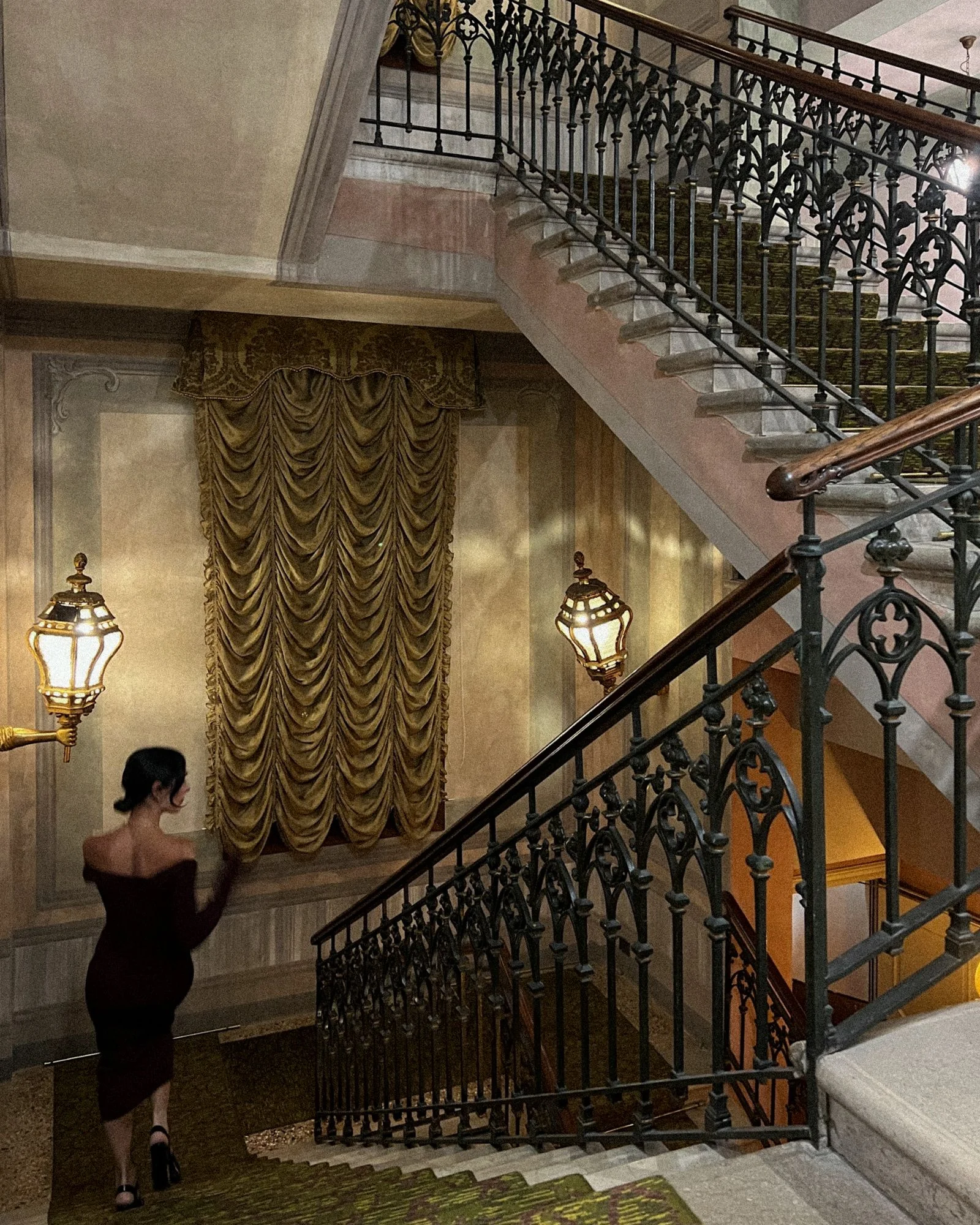
Each time I return to Venice, I feel lost in a sensory fairytale. This is heightened tenfold when I stay at The Gritti Palace. Here, the rush and the chaos of modern life blur into the background as you step into something far more timeless. As you ascend the grand wrought-iron staircase, your eyes dilate in awe at the most exquisite details—the blend of ancient marble on the floors, the lighting fixtures that cast the dreamiest shadows, and silk drapery that exudes all the dramatic charm of a bygone era. If the walls could talk, they would be whispering tales of a decadent past, and oh, how I wish I could tune in.
Portrait Milano Hotel, Milan
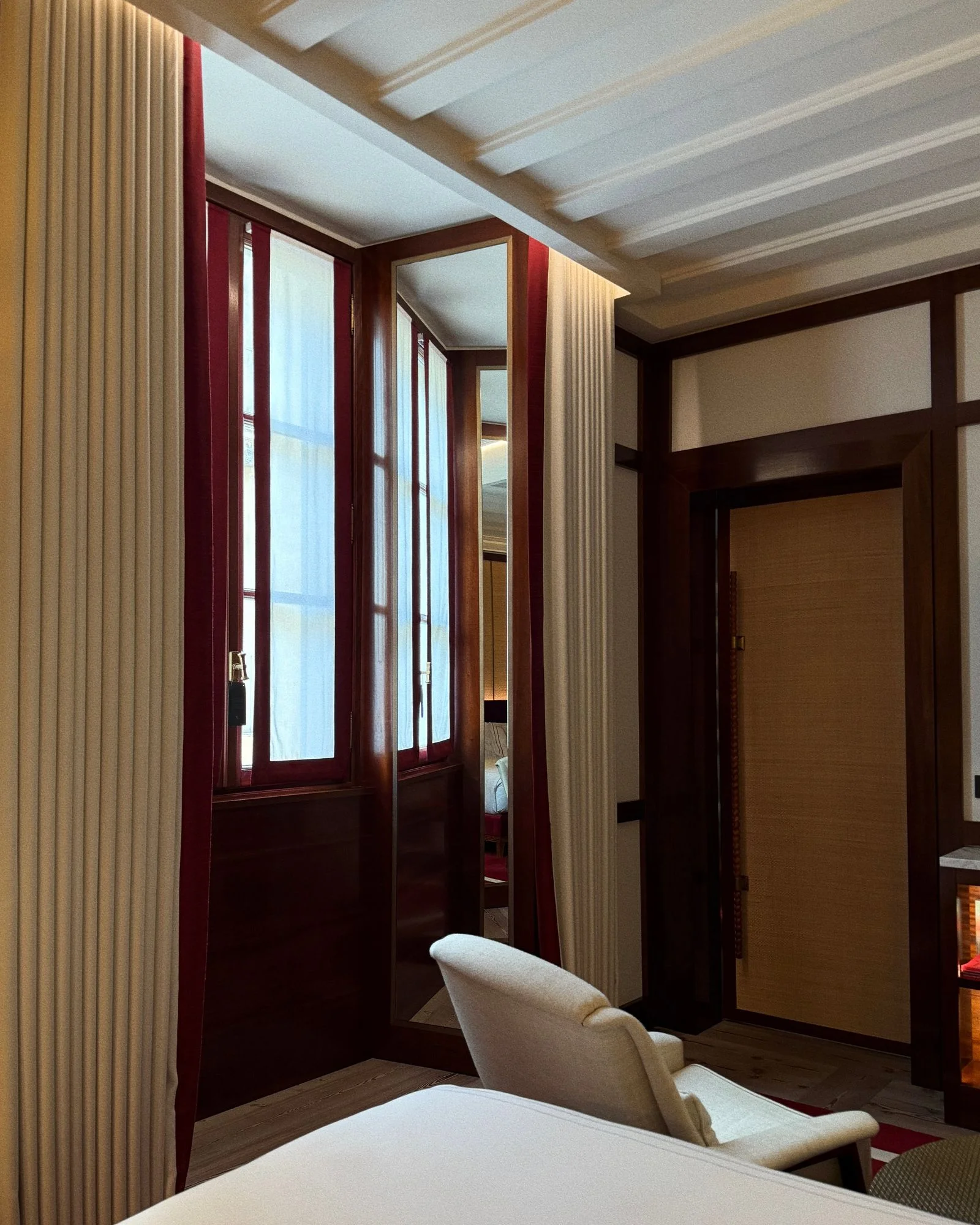
This hotel is a master class in architectural restraint. Every detail, every hue, every material feels curated and deliberate. Each room carries a distinctly Milanese refinement. It’s tailored, tactile, and timeless—three qualities I took back with me and infused in my own home.
Reporting by Julia Harrison