On a peak of the Hollywood Hills, tucked behind a thicket of lush greenery, a little-known gem of midcentury design traces the landscape rather than overwhelms it—a brawny base of concrete and stone giving way to a single story of timber and glass. Built in the early 1960s by the noted Angeleno architect Frank Lloyd Wright Jr. (otherwise known as Lloyd Wright) for film star Daniel De Jonghe, the residence hints at Taliesin West, the Arizona home and studio of Wright’s famous father. Some accounts suggest that dad and son worked on the design together before Frank Lloyd Wright Sr.’s death in 1959.
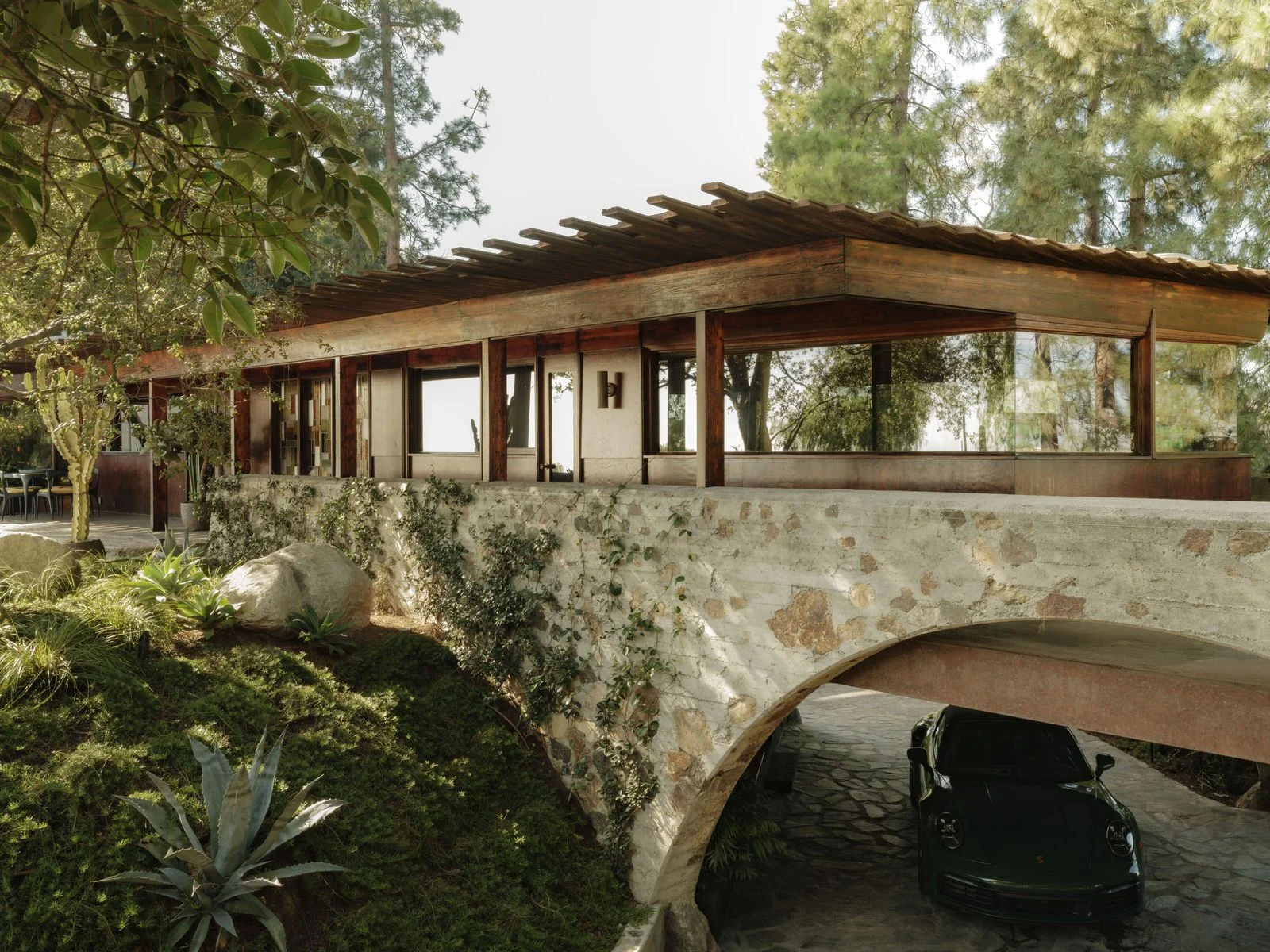
Bill Kaulitz, the German singer-songwriter and Tokio Hotel frontman, knew this was the house for him just by laying eyes on the driveway, a carefully and elegantly carved swath in the terrain. “I fell in love immediately,” he says, recalling the home’s low-slung profile and midcentury design. Together with his bandmate and twin brother, Tom—Heidi Klum’s husband—he initially rented the house, eventually buying the place in 2019 as an escape from the European limelight. Says Bill, “LA is the ultimate freedom for me.”
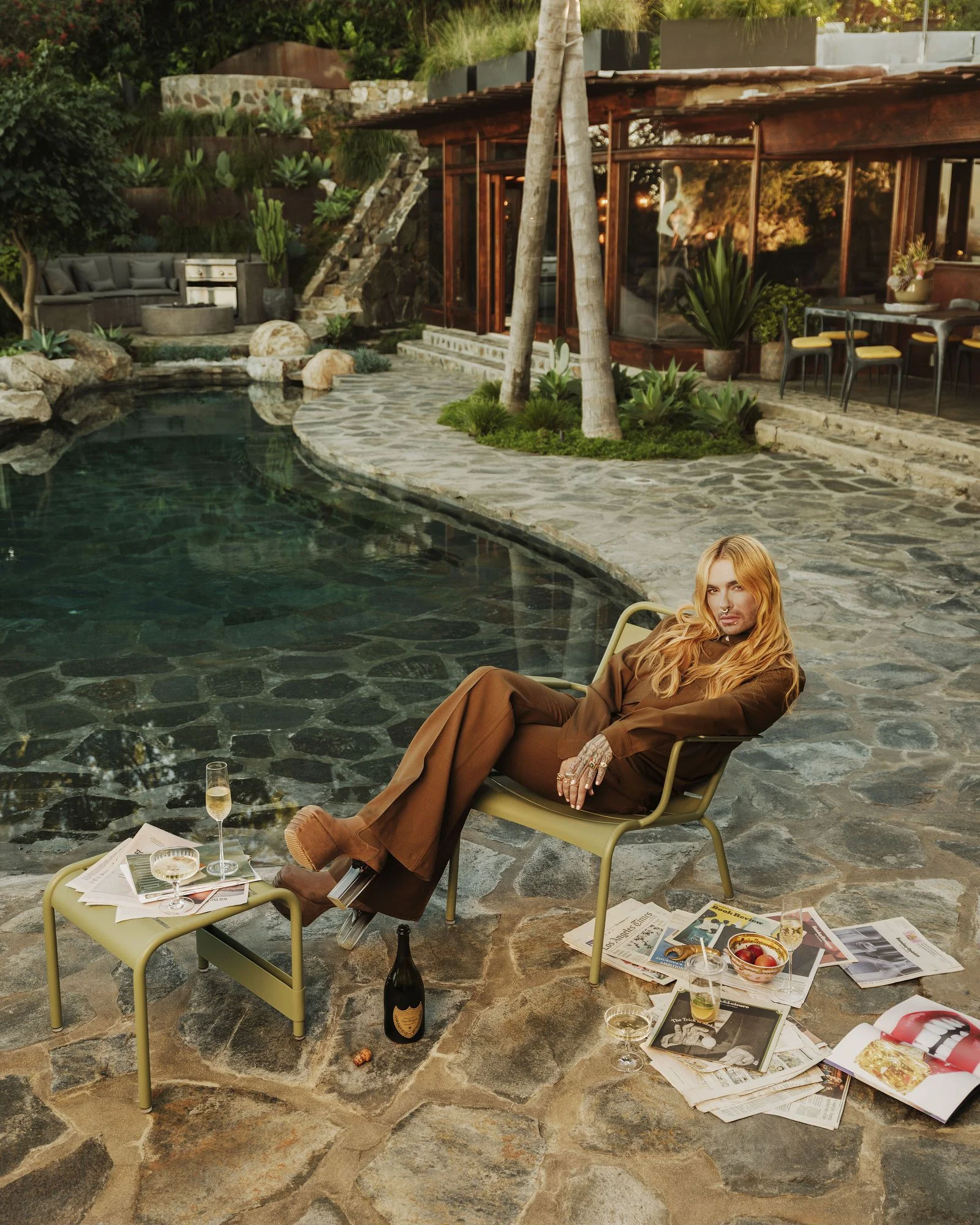
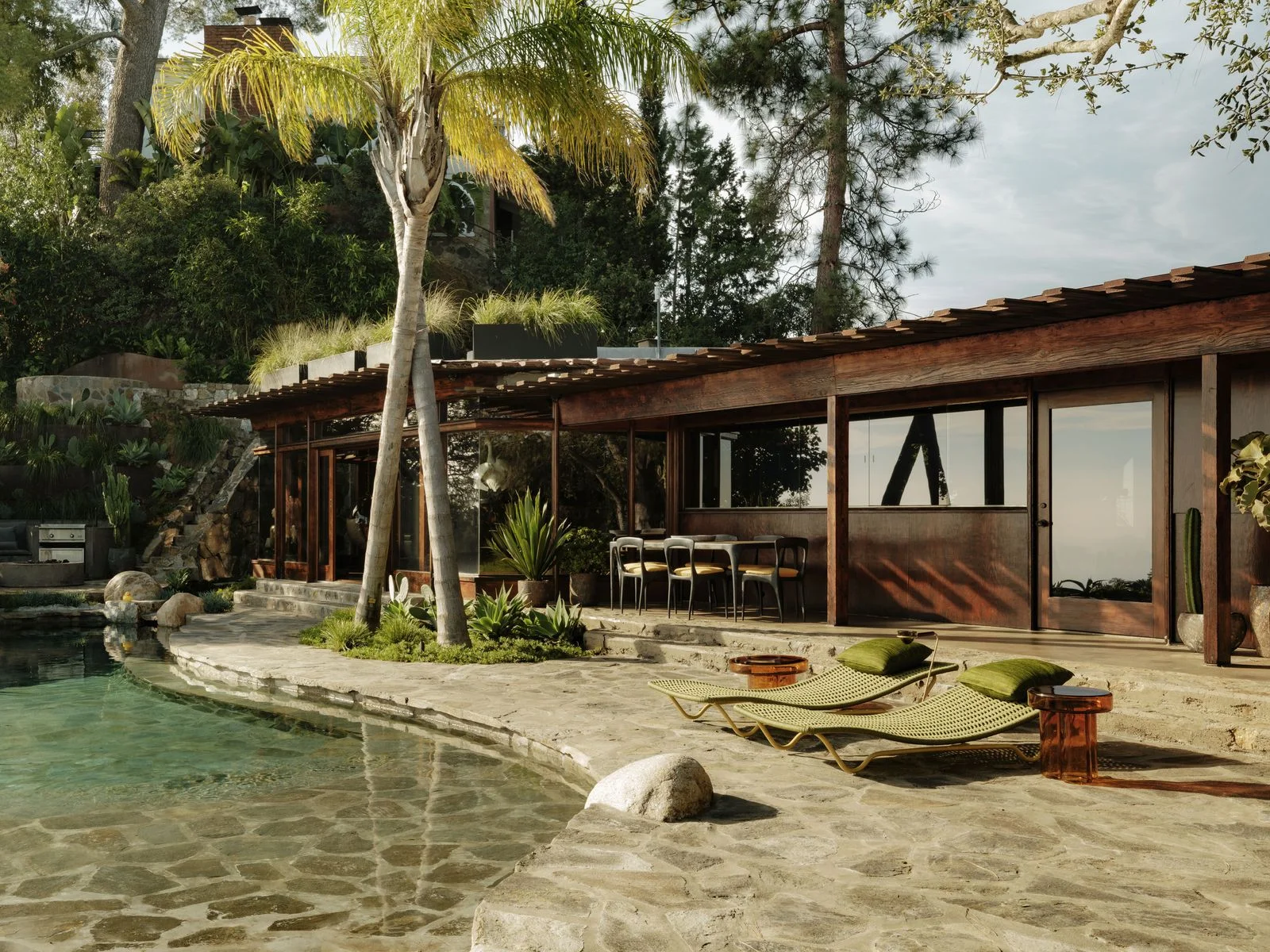
A burst pipe (and a week of gushing water) would kick the Kaulitzes’ own renovation into high gear. Working with the Berlin-based designer Davide Rizzo, the duo conceived a sensitive update to the interiors, with the addition of a landscaped oasis on what had been a forecourt. The local architect Rob Michel, an expert in midcentury preservation, would in turn oversee the project, which grew into a herculean logistical challenge requiring the coordination of some 100 specialists. “Bill attached great importance to the restoration,” notes Michel. “We saw our role not as redefining architecture and landscape, but lifting it up and preparing it for the next generation.”
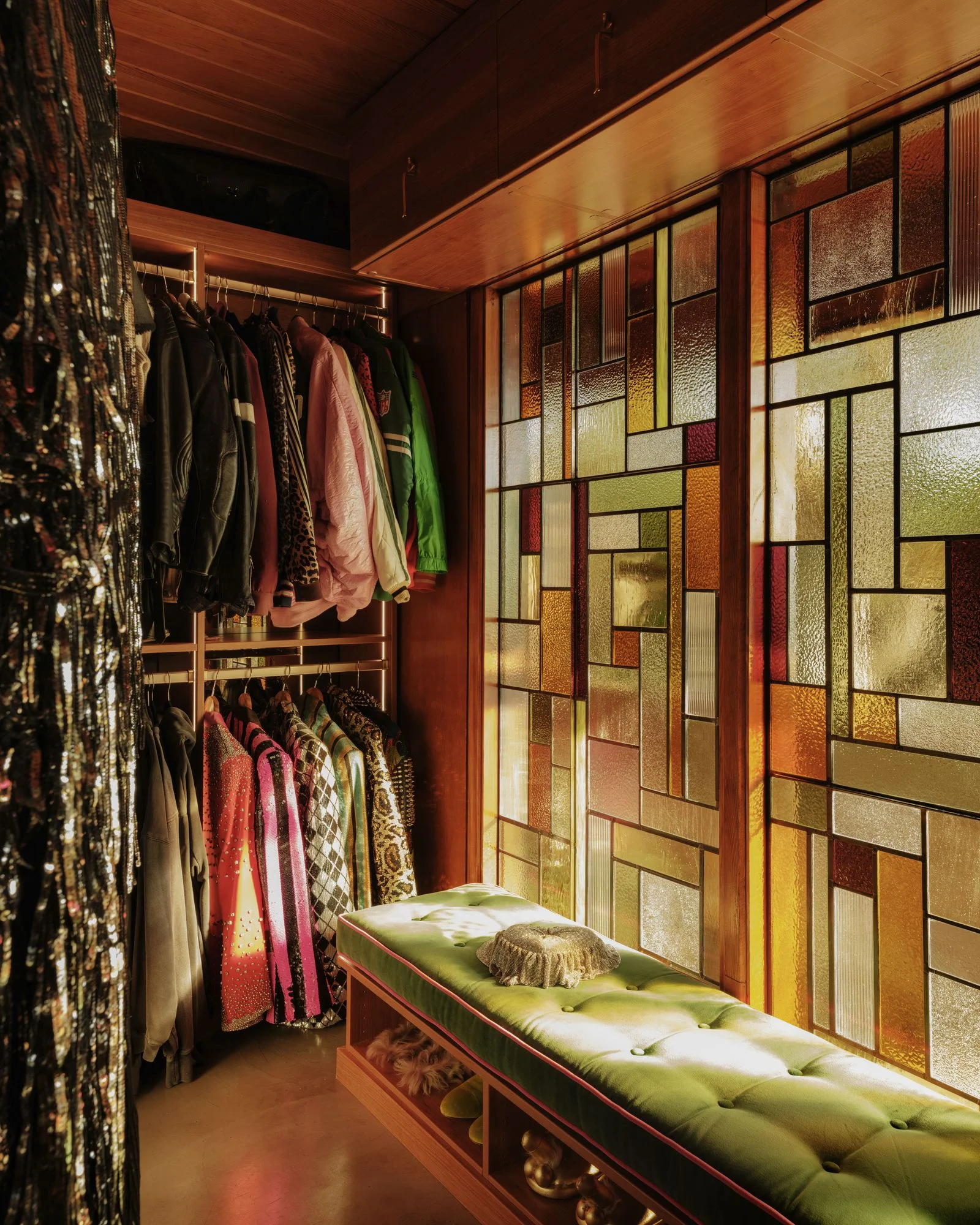
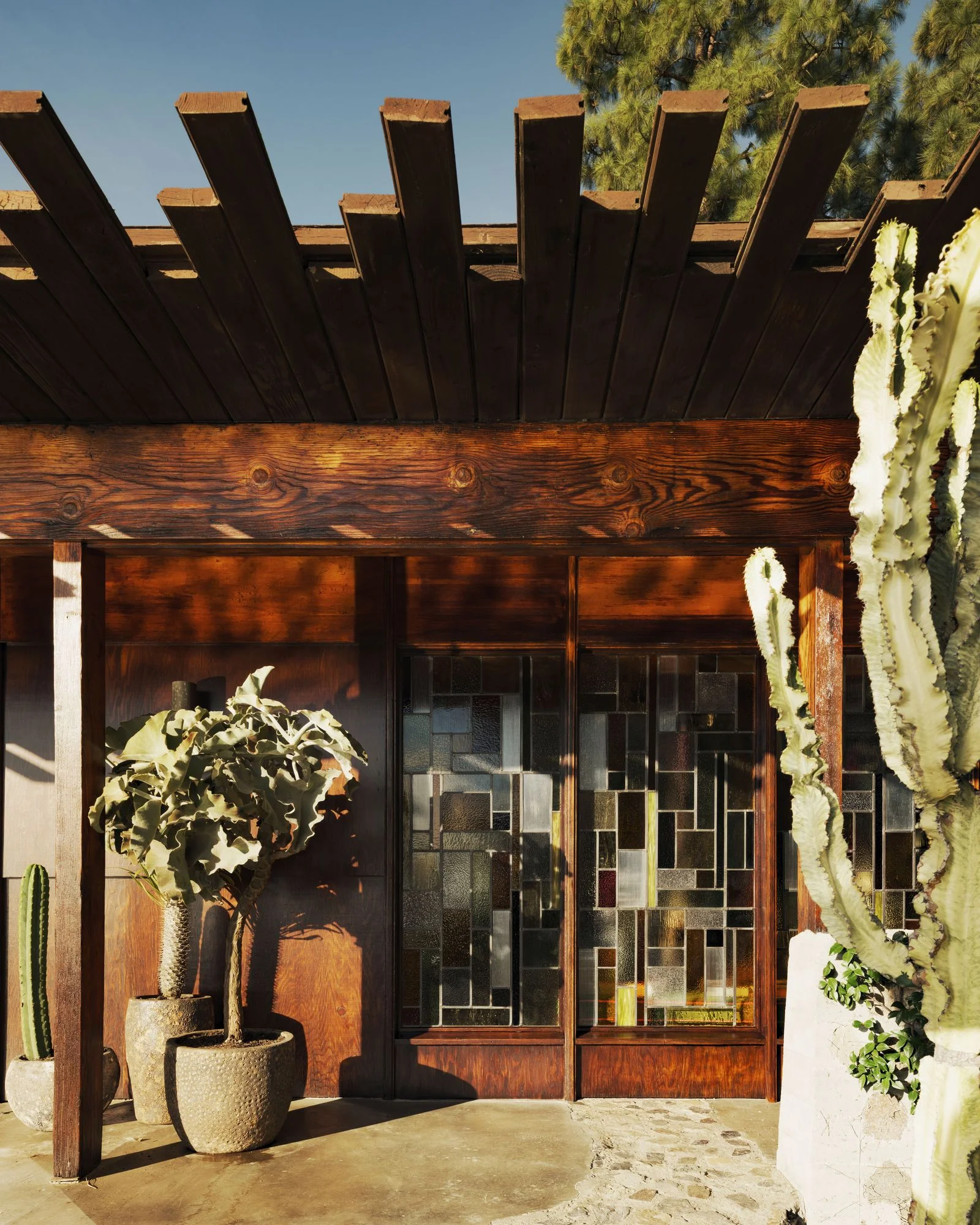
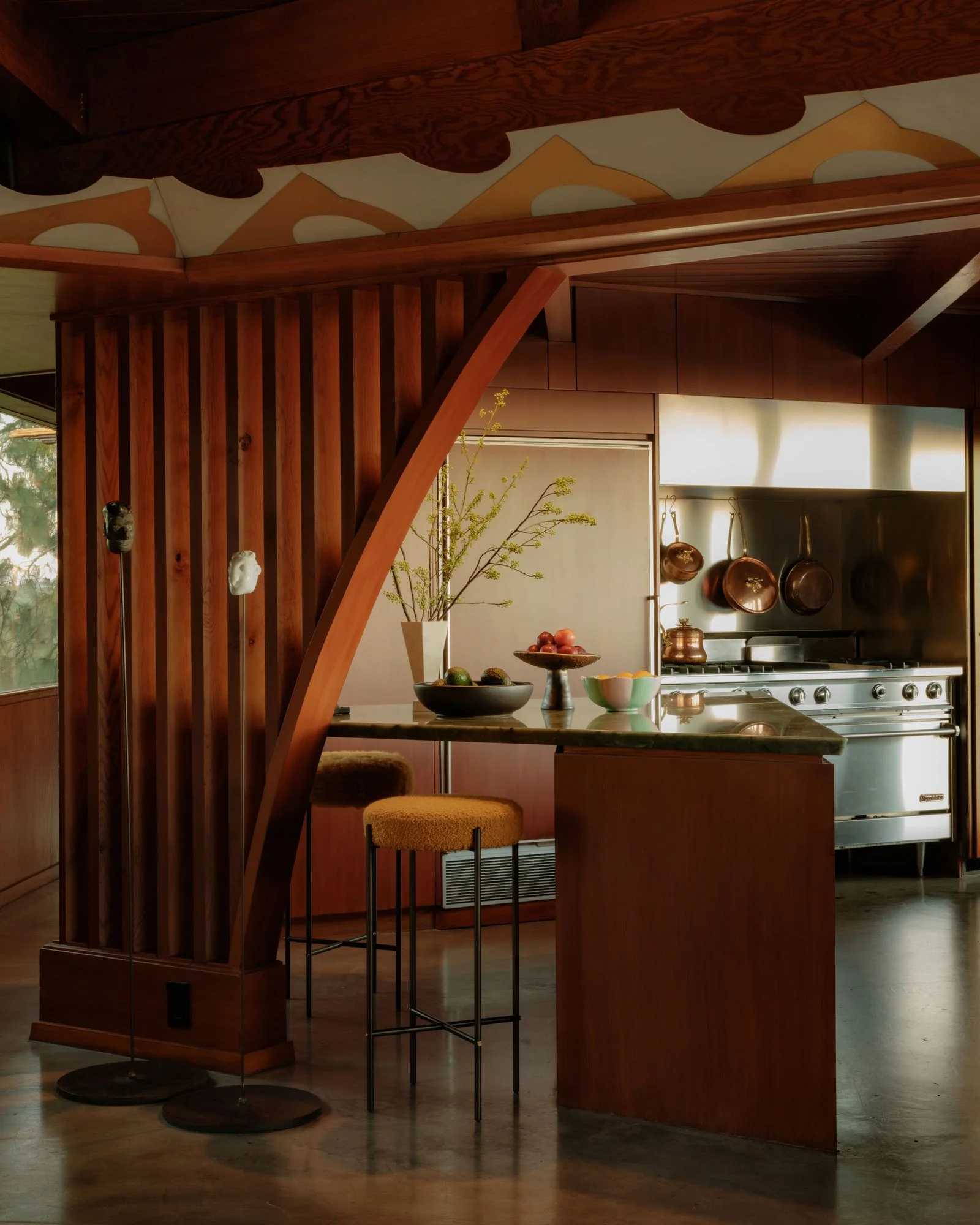
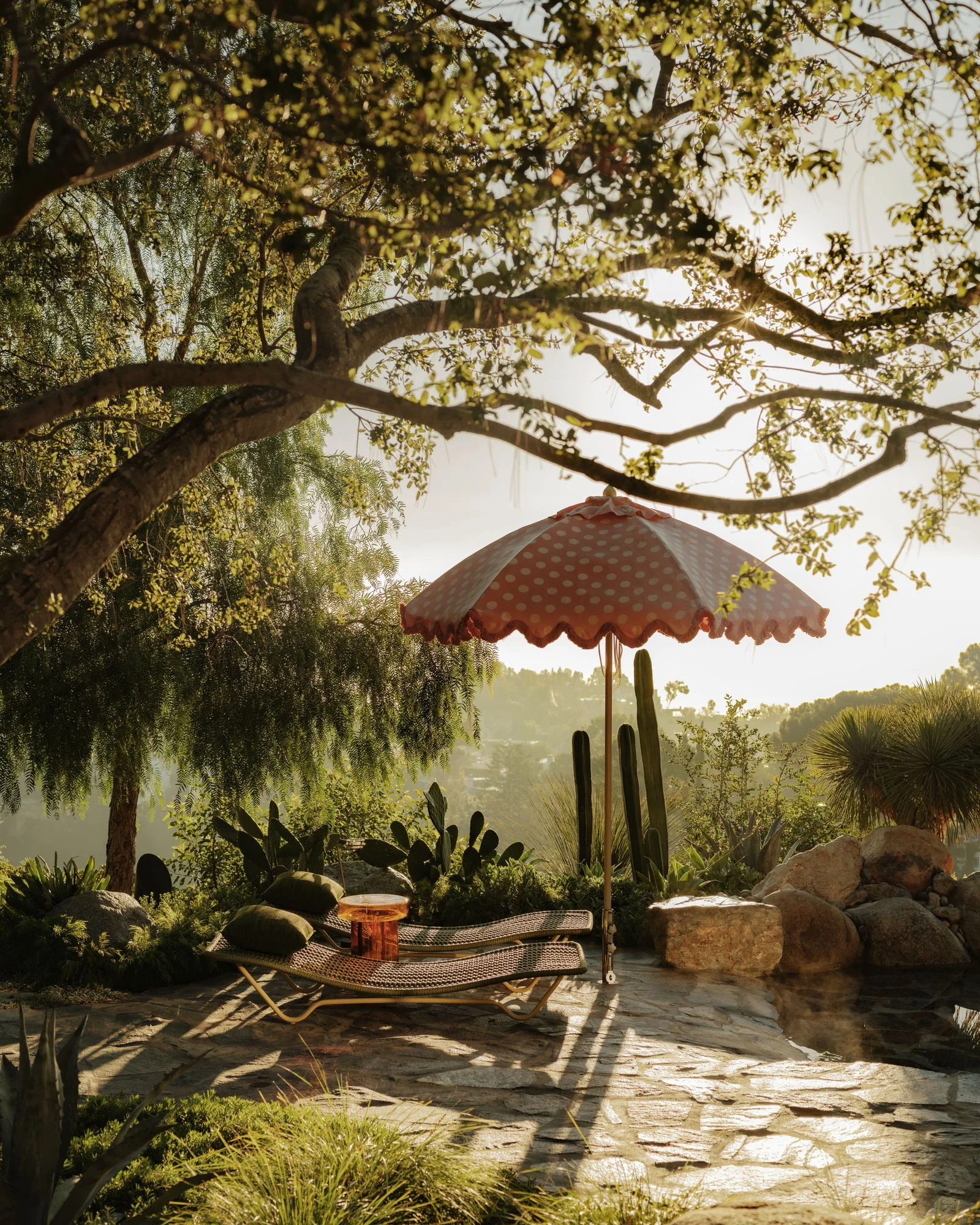
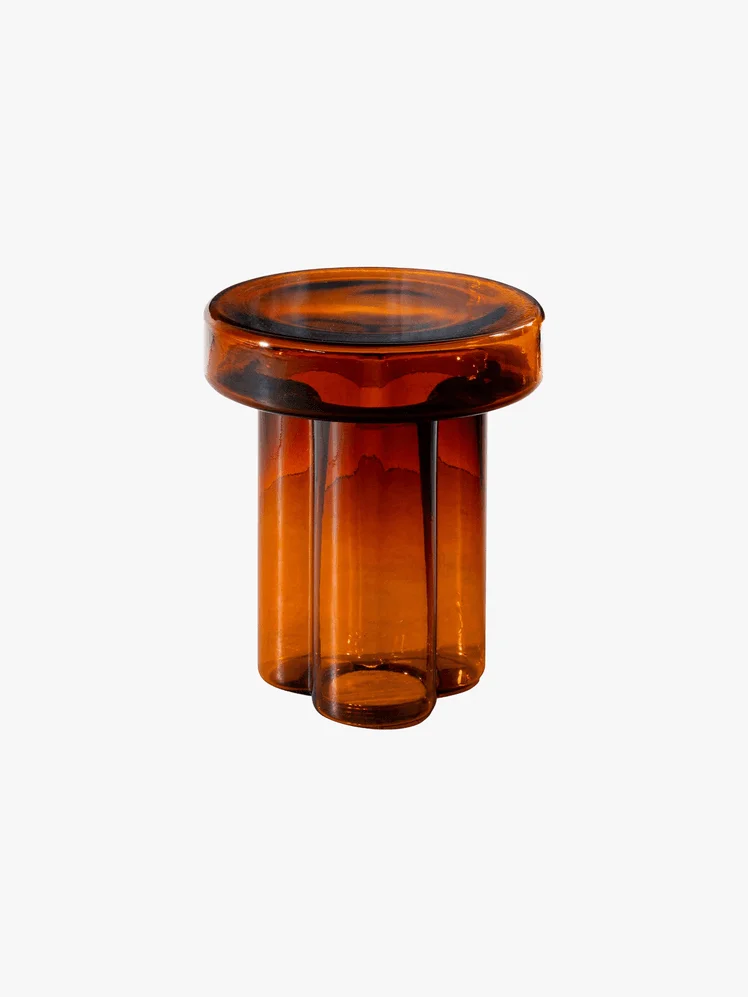
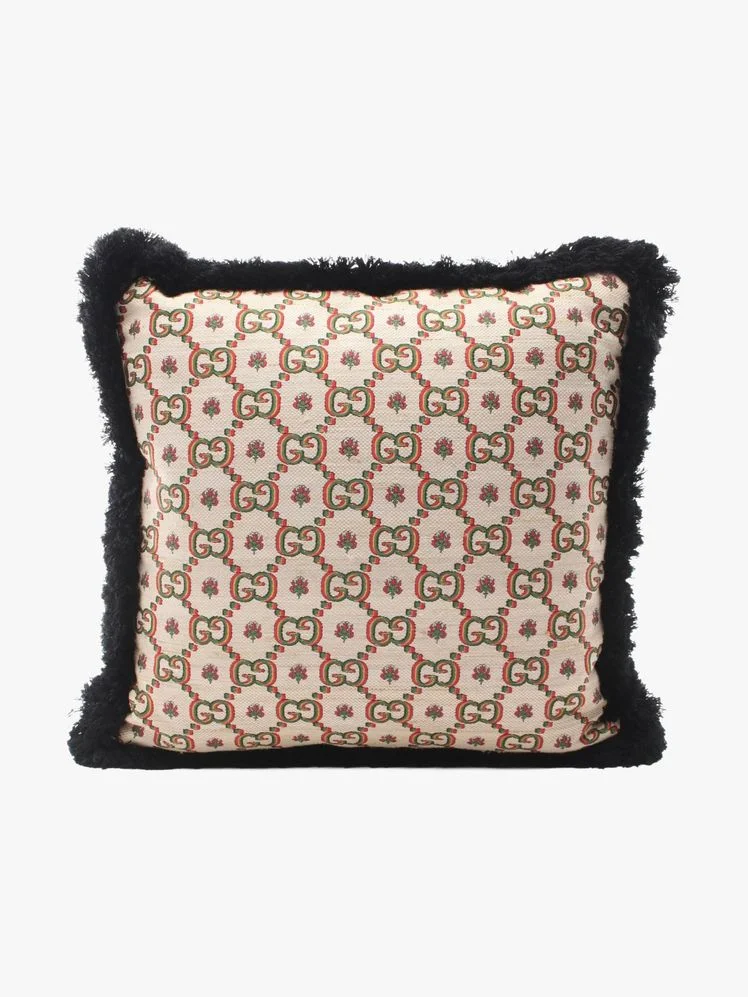
The team, which also included garden designer AJ Canfield, studied Wright’s original plans in detail, comparing archival documents to a later update by architect John Powell, who bought the property in 1994—reconfiguring the kitchen and baths and opening up the den to the main living area. Inside and out, the Kaulitzes’ latest interventions have stayed true to the original materials palette. Scenic artist Stosh Fila refinished the majority of the interior and exterior woodwork, including interior paneling, tongue-and-groove ceilings, and cabinetry. Michel worked with artisan James Thomas to create a new stained-glass window (a nod to Wright if not an exact re-creation). As for that driveway, whereas it once culminated in a rear motor court it now leads to a garden brimming with native Southern California plants and simpatico species from Latin America and Australia. A new pool and elevated spa, clad in flagstone, look as if they’ve always been there. Says Michel, recalling the months long construction, “it took tons of trucks and regular road closures.”
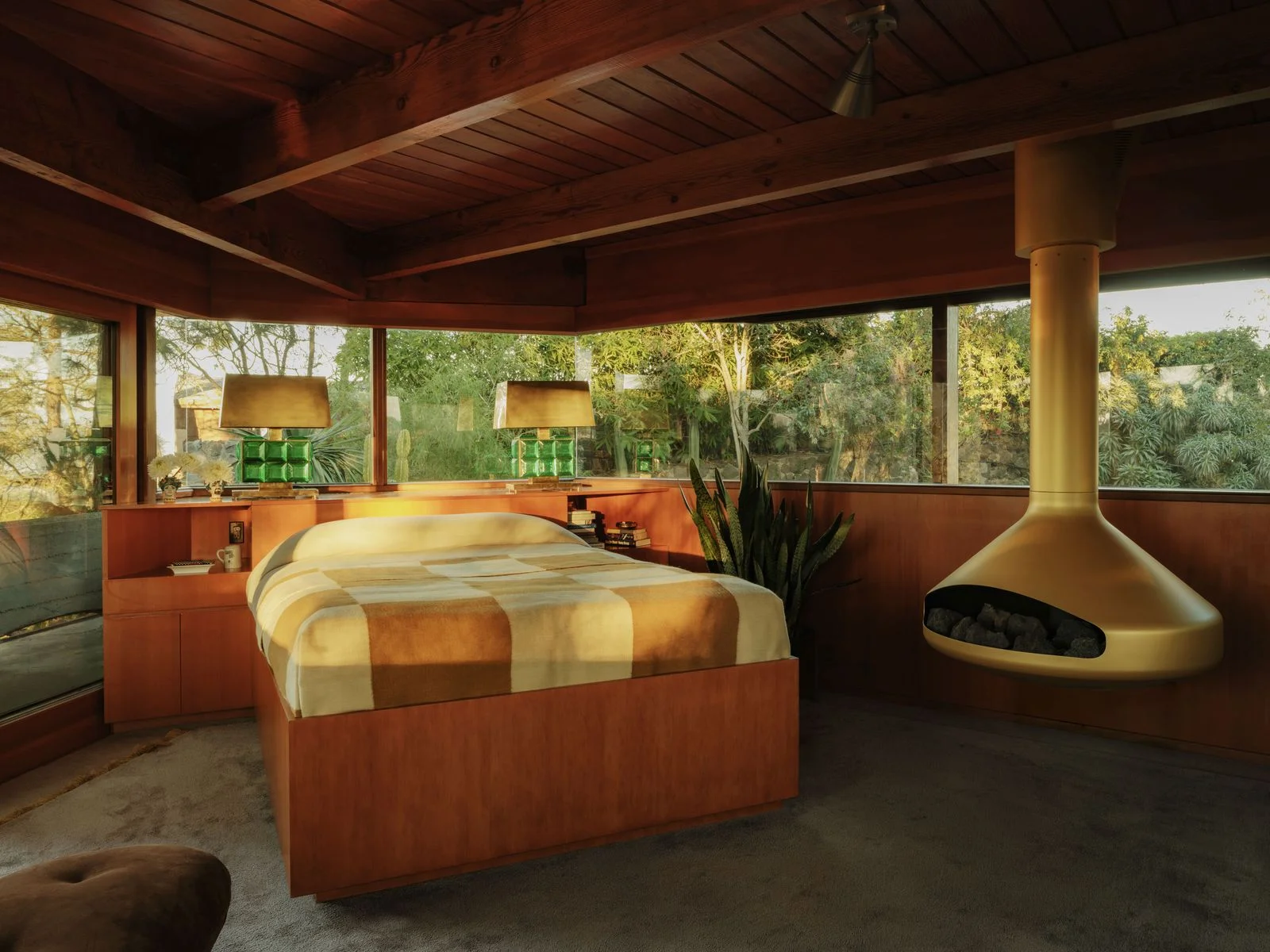
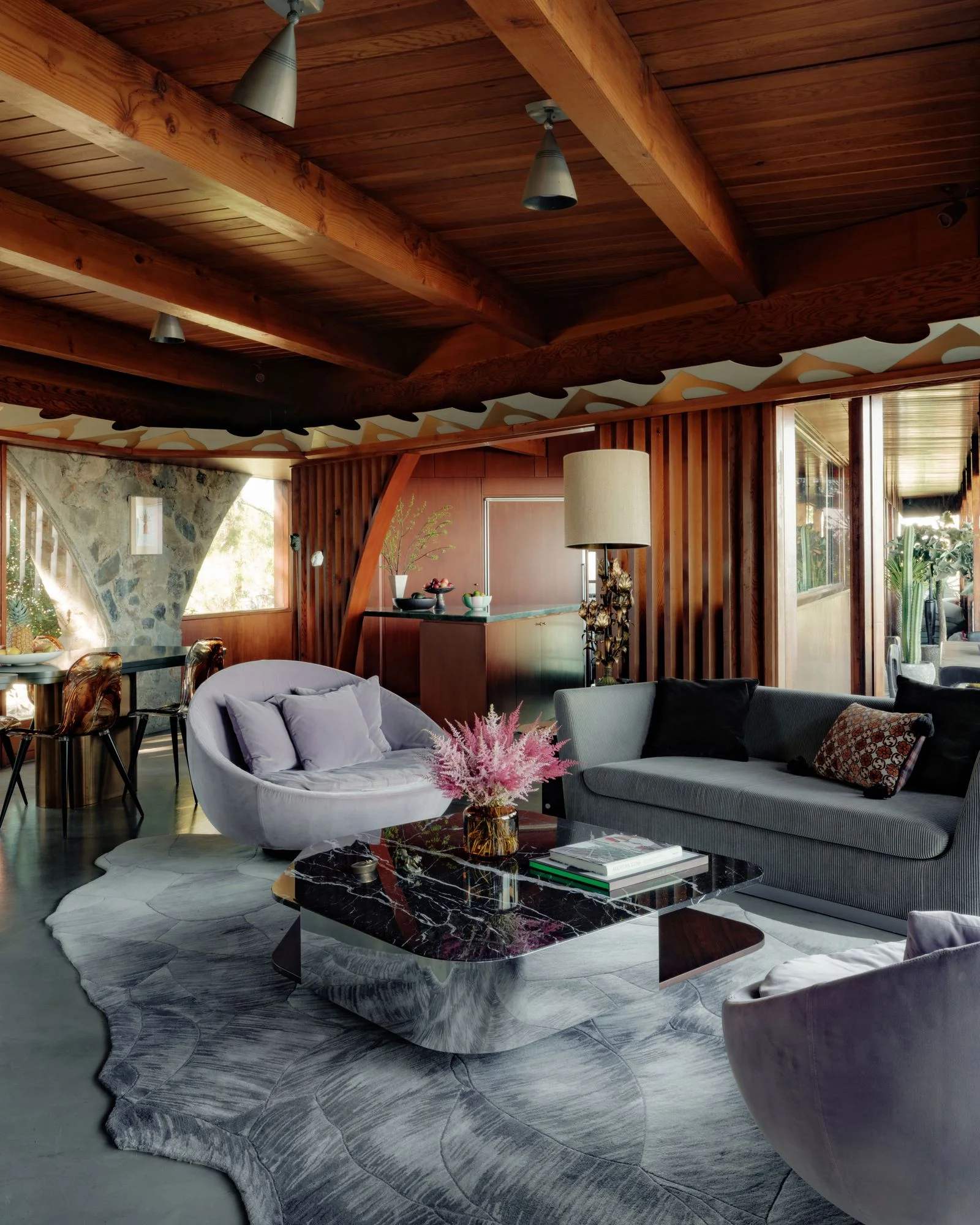
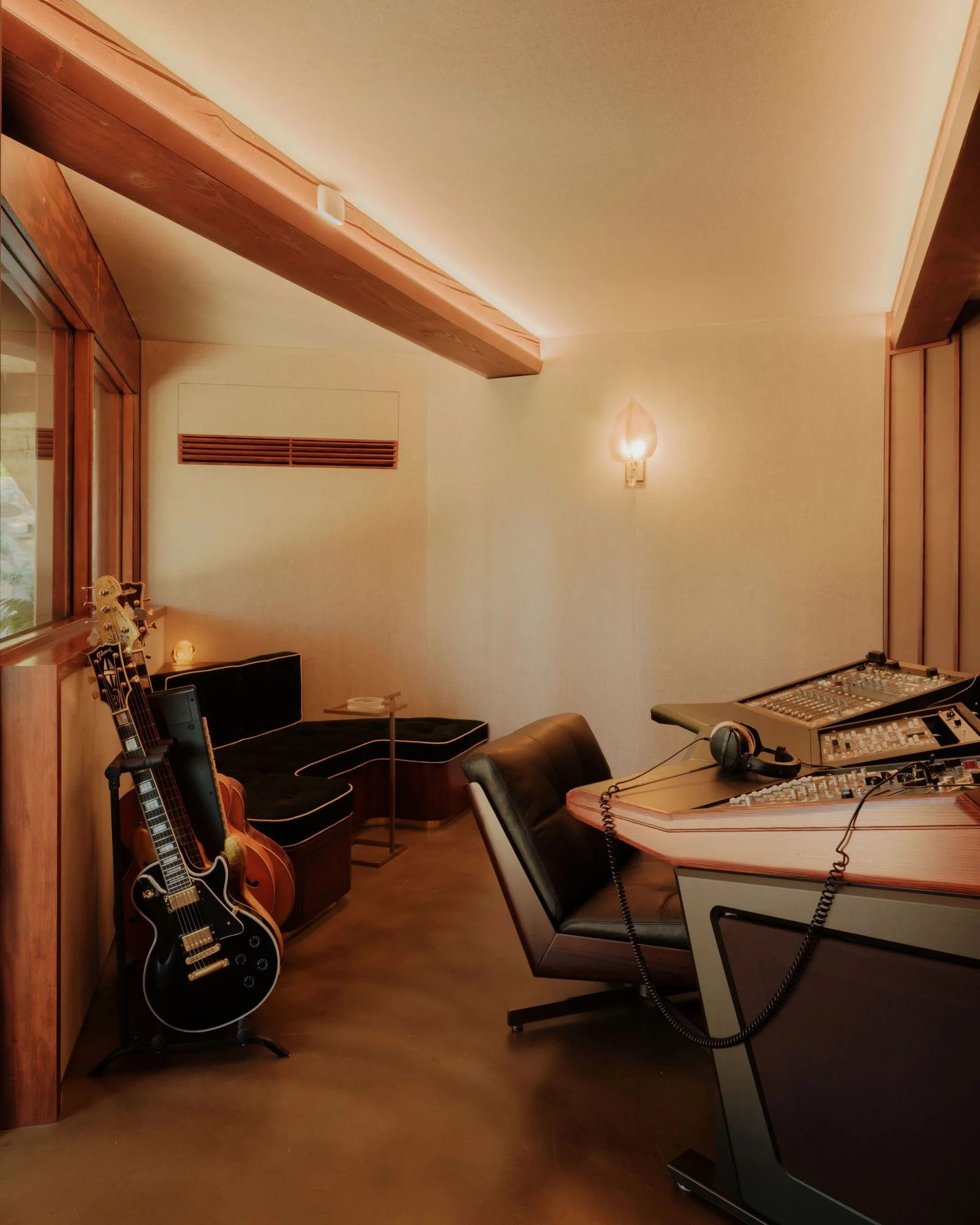
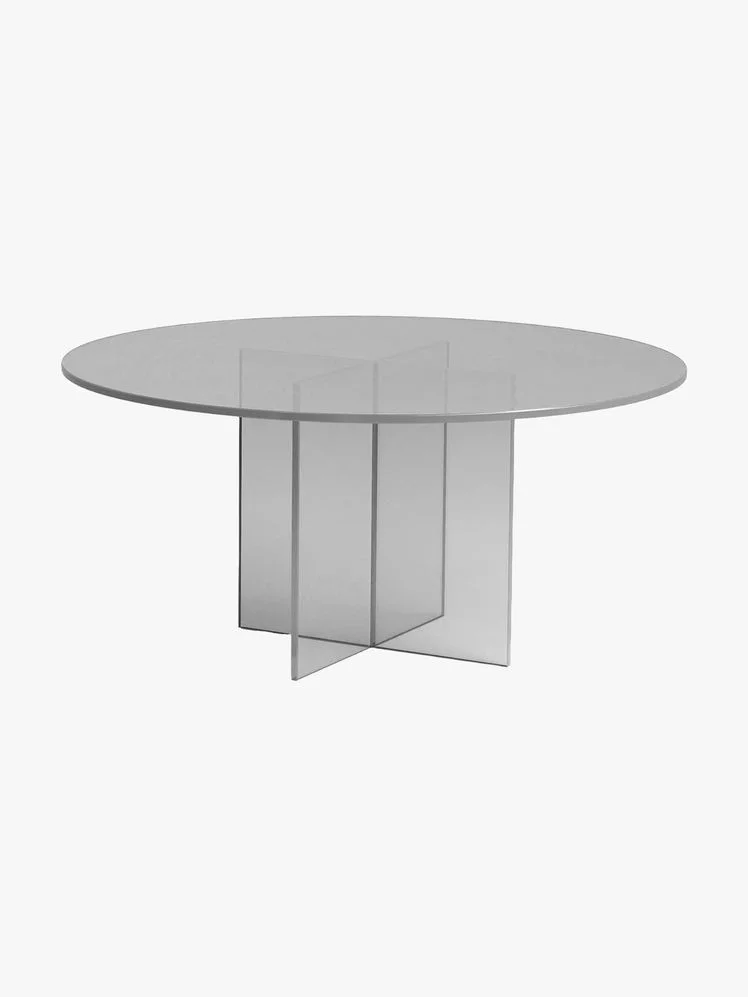
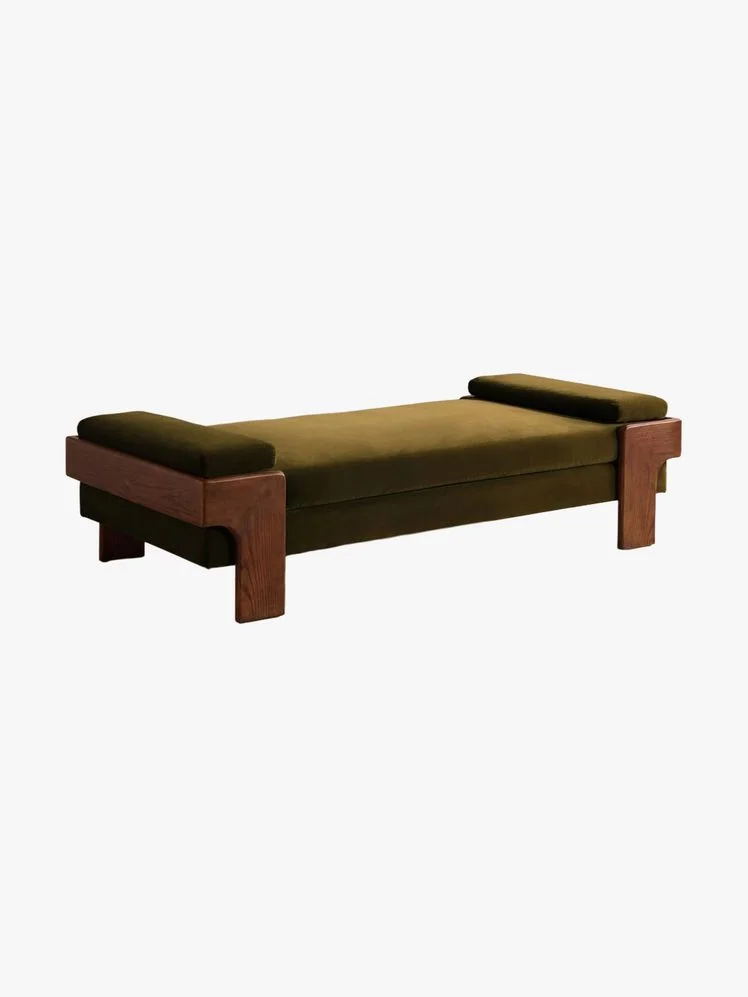
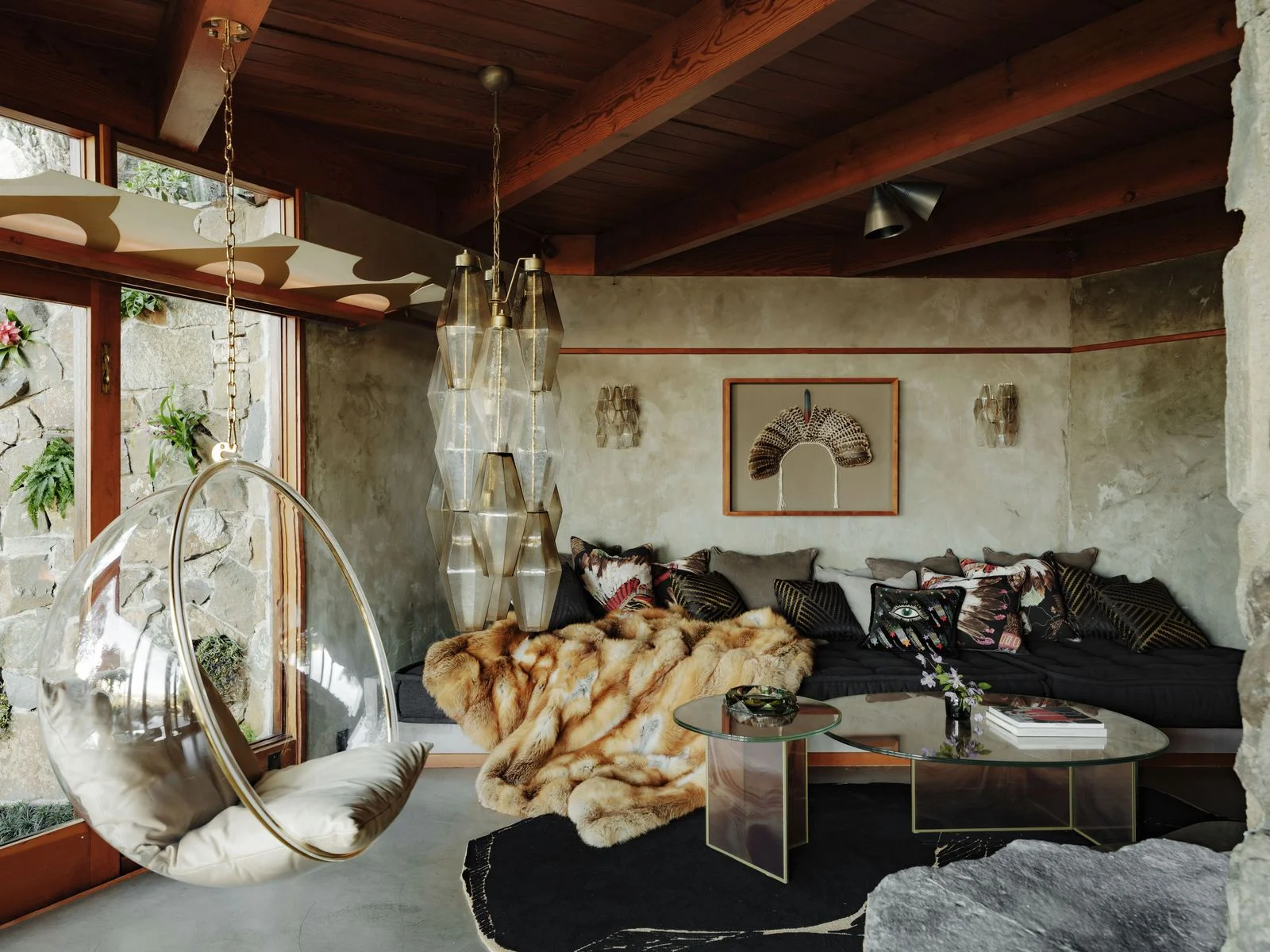
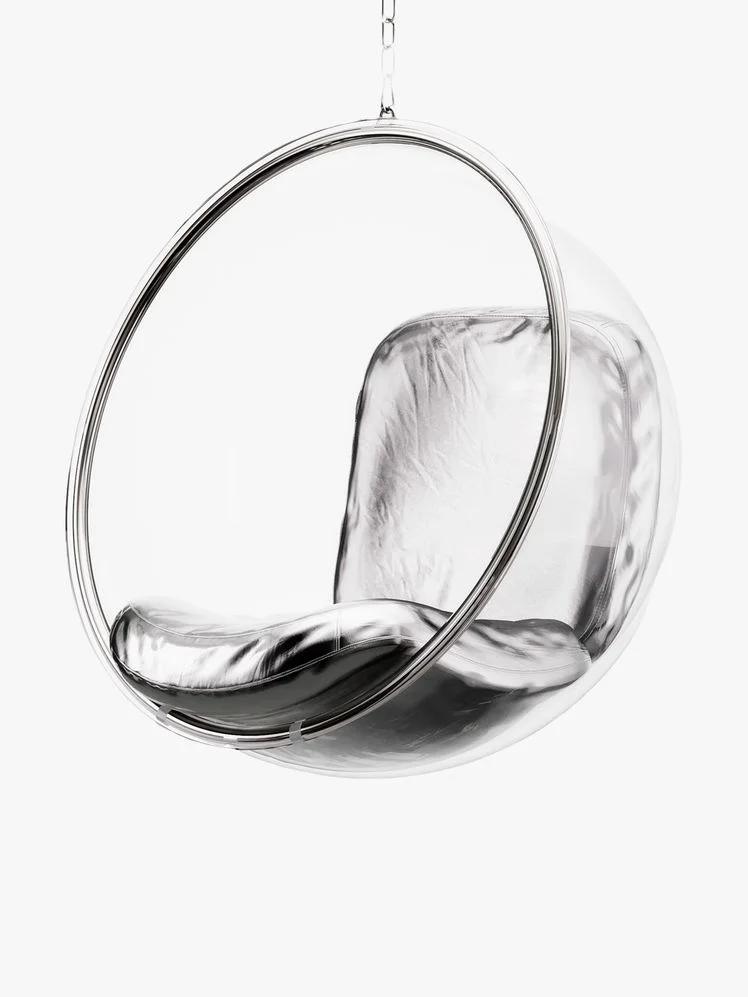
Furnishings depart from the house’s ethos of organic architecture. “Bill wanted grandeur and glamour for his home, not a classic continuation of the usual midcentury designs,” recalls Rizzo, who sourced pieces from his own collection. The mix now spans vintage Carlo Scarpa lighting, an India Mahdavi dining table, an Eero Aarnio Bubble chair, and gold faucets in the shape of swans—just like those Kaulitz spotted at the Ritz Paris hotel. For him, a glass-walled house is a welcome departure from the shadowy hotel rooms of his teen-idol years. “I used to be so shielded behind curtains,” he reflects. “I wanted to create a place that feels open but still private. In Germany, I have to keep moving. Here I can relax in solitude.” Some afternoons, he might drift asleep with his French bulldog, Alfia, on the corner sectional. Other times, he’ll soak in the Jacuzzi, the Hollywood sign in the distance. There’s no routine. “I can’t think of anything worse than doing the same thing every day.”
This story was produced by AD Germany. It was translated by John Oseid and adapted by Sam Cochran.
This story appears in the March issue. Never miss a story when you subscribe to AD.