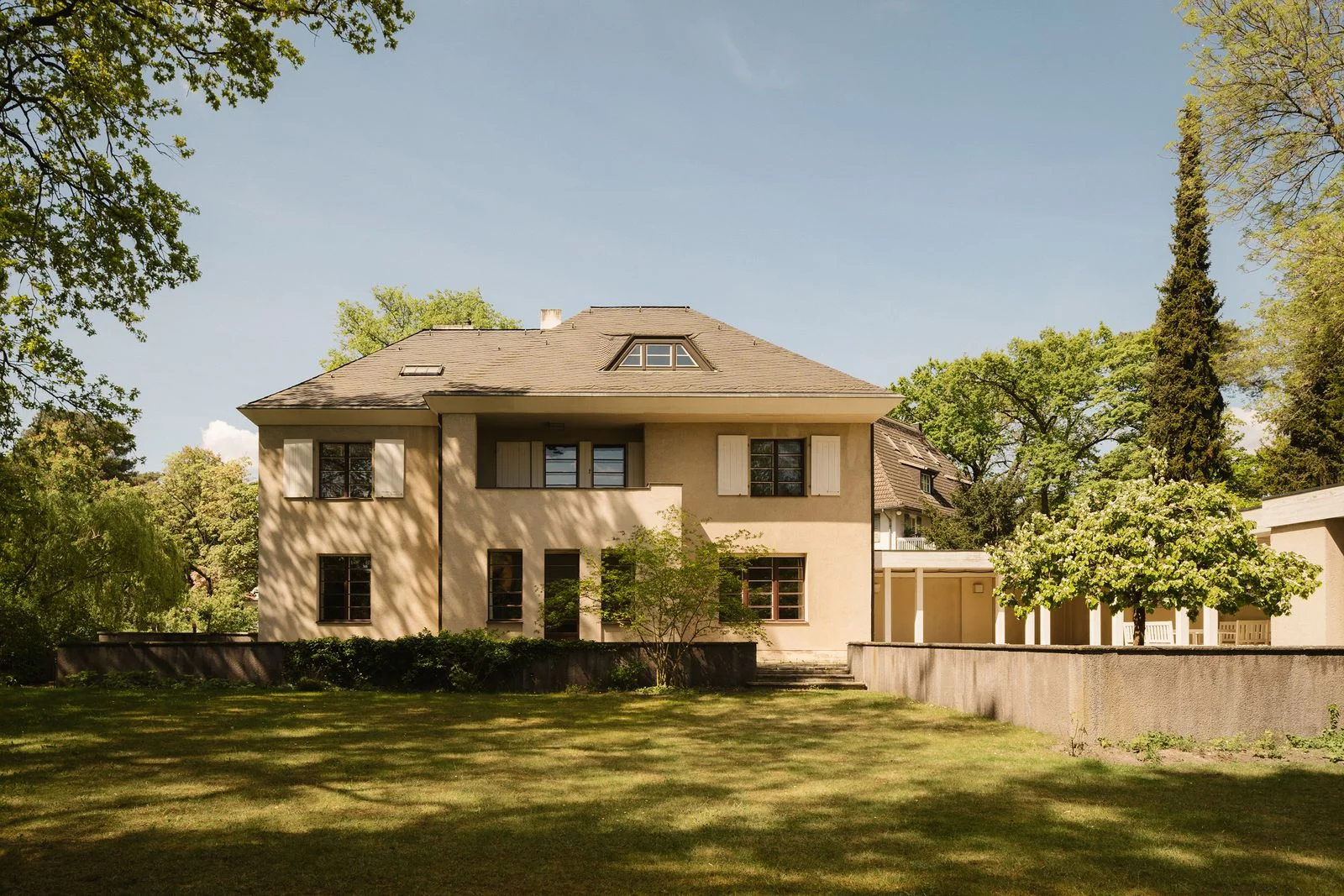
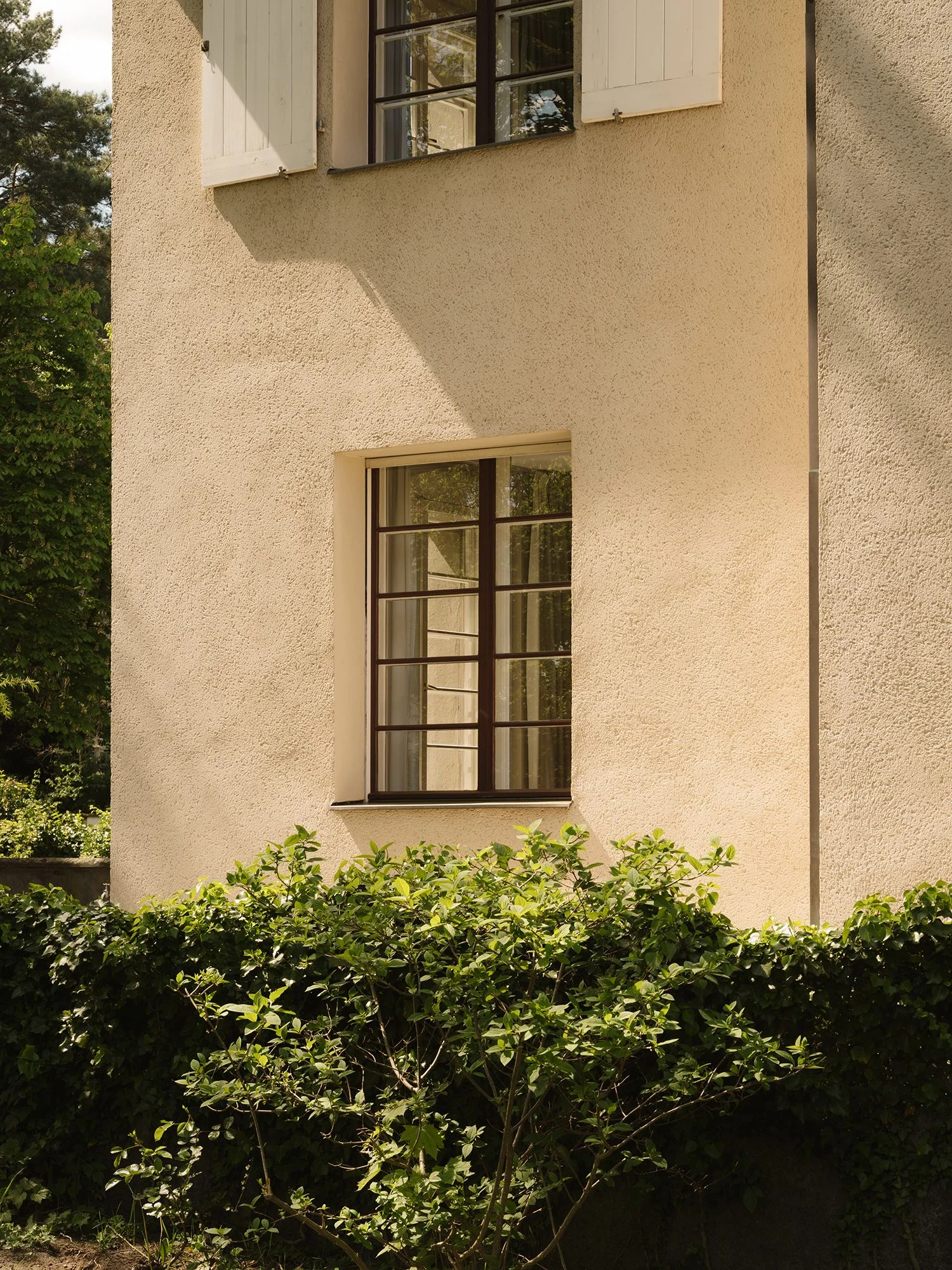
Through a stroke of luck, Haus Otte from Walter Gropius narrowly escaped demolition. But when you stand in front of the bright plaster façade of this architectural wonder in Berlin’s Zehlendorf district, you may not realize you're looking at a pioneering work of modernism. Gropius, who from 1919 to 1928 directed the Bauhaus in Weimar and Dessau, designed the house in 1921-22 for lawyer Fritz Otte. The property is considered a dramatic evolution of Gropius’s earlier seminal Haus Sommerfeld, which was also located in Berlin, but destroyed in World War II. The Bauhaus founder embraced a forward-looking approach with an unadorned, sharp-edged structure that rejected the heaviness of 19th-century historicism.
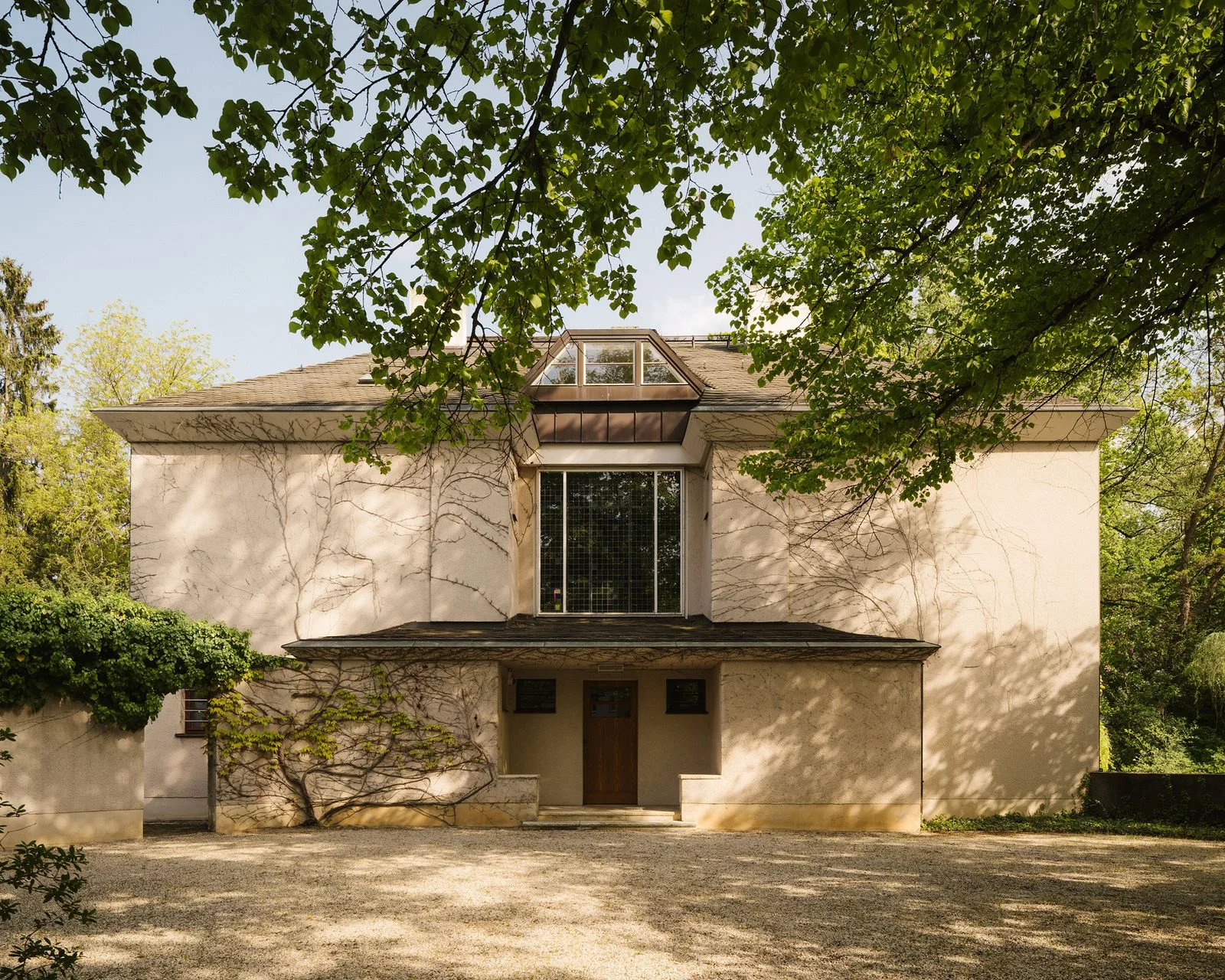
From the outside, his design has no visible ground floor nor any distinct floor divisions for that matter. It is instead a monolithic manifesto of functionalism on a green half-acre plot. It was also decidedly unbranded—though its roots were rediscovered right before an almost certain demolition. In the nick of time, Haus Otte benefitted from the protection extended by historic preservation regulations in Germany.
A glowing centerpiece
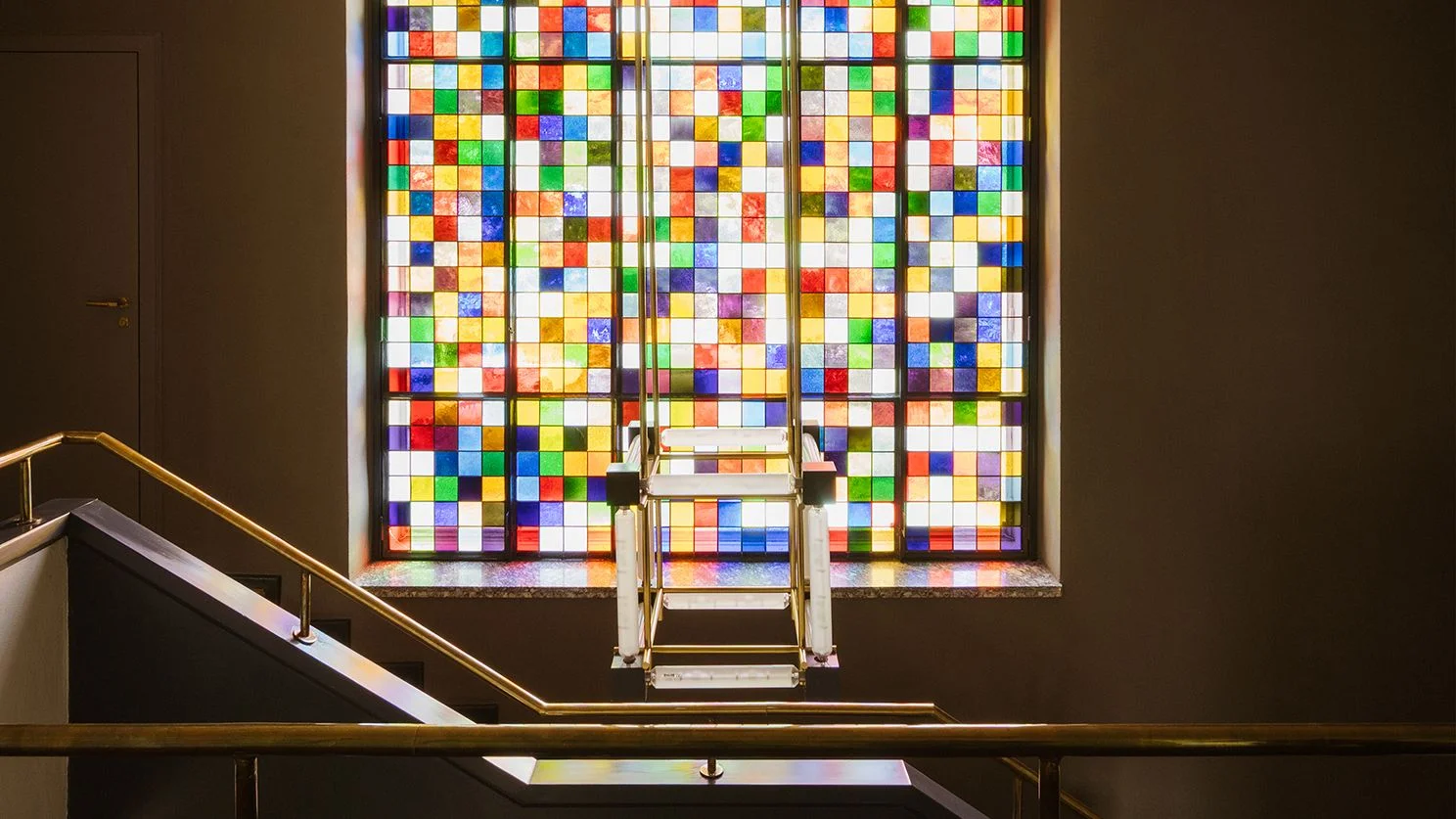
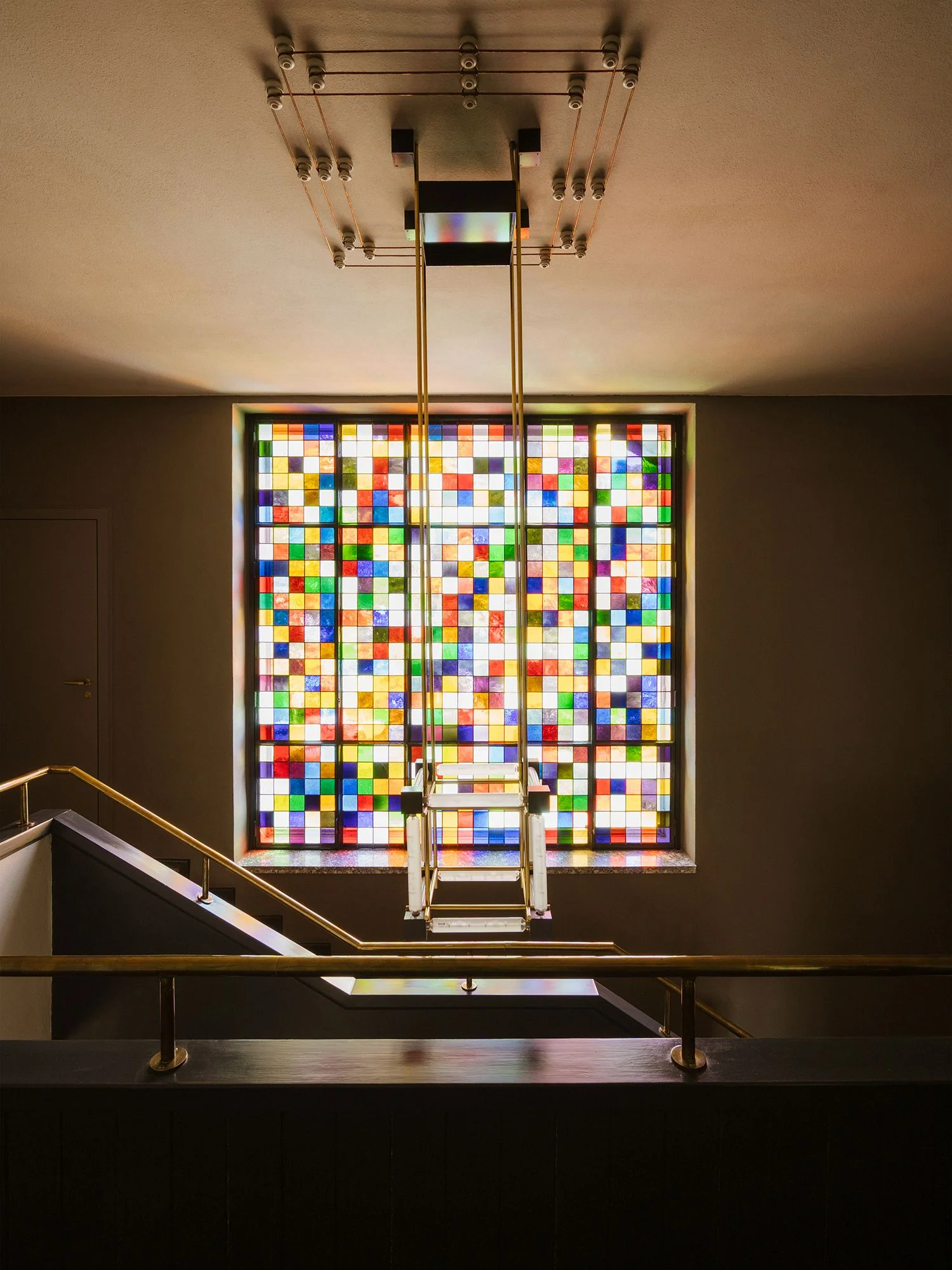
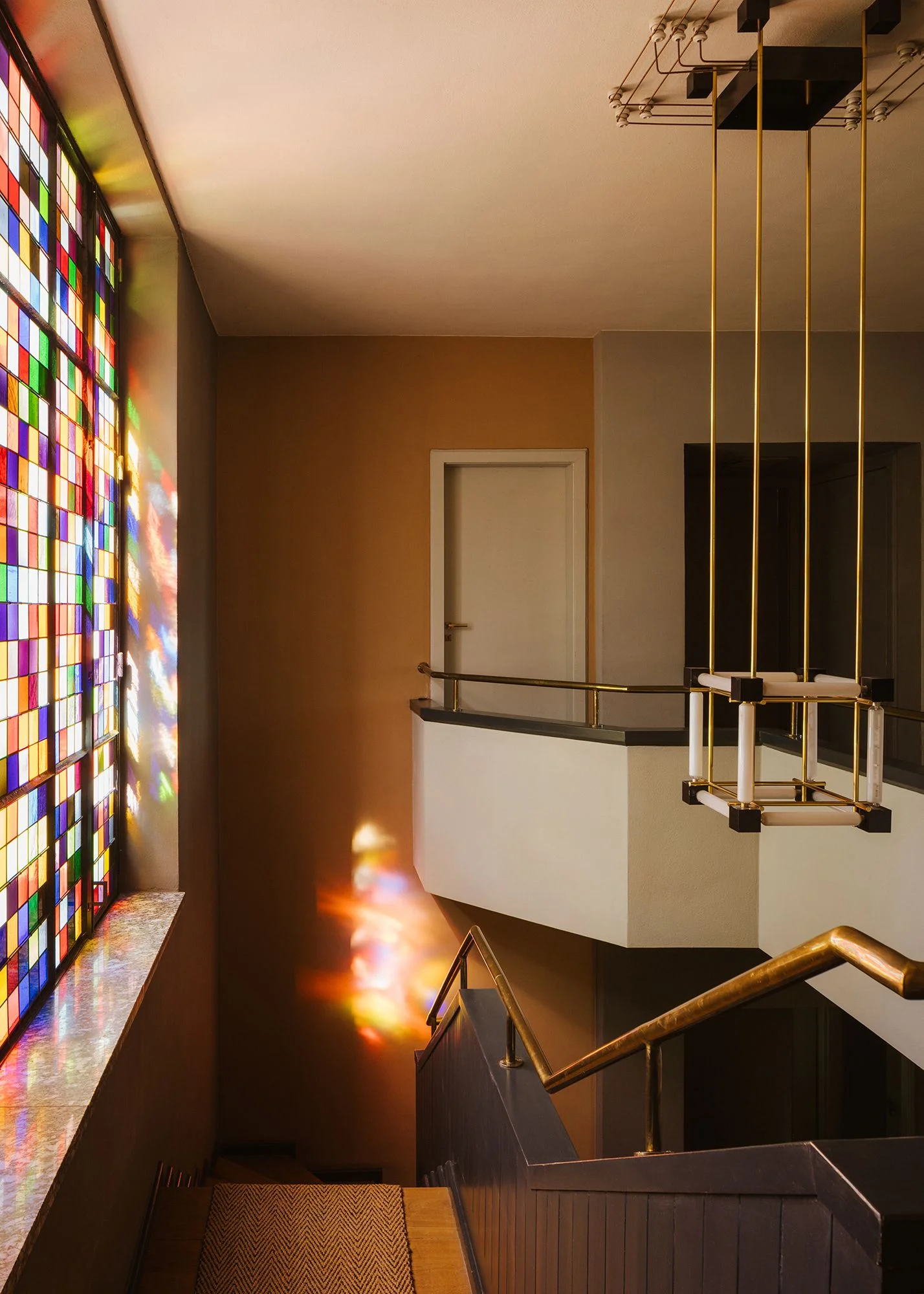
The new heart of this architectural gem is a monumental window above its entrance, which bridges the gap between the Gropius era and the present day. Originally, an austere Josef Albers geometric window lent the vestibule a sacred aura. At some point in the building’s history, however, the Albers piece presumably vanished—despite extensive research efforts, authorities have not been able to determine its whereabouts.
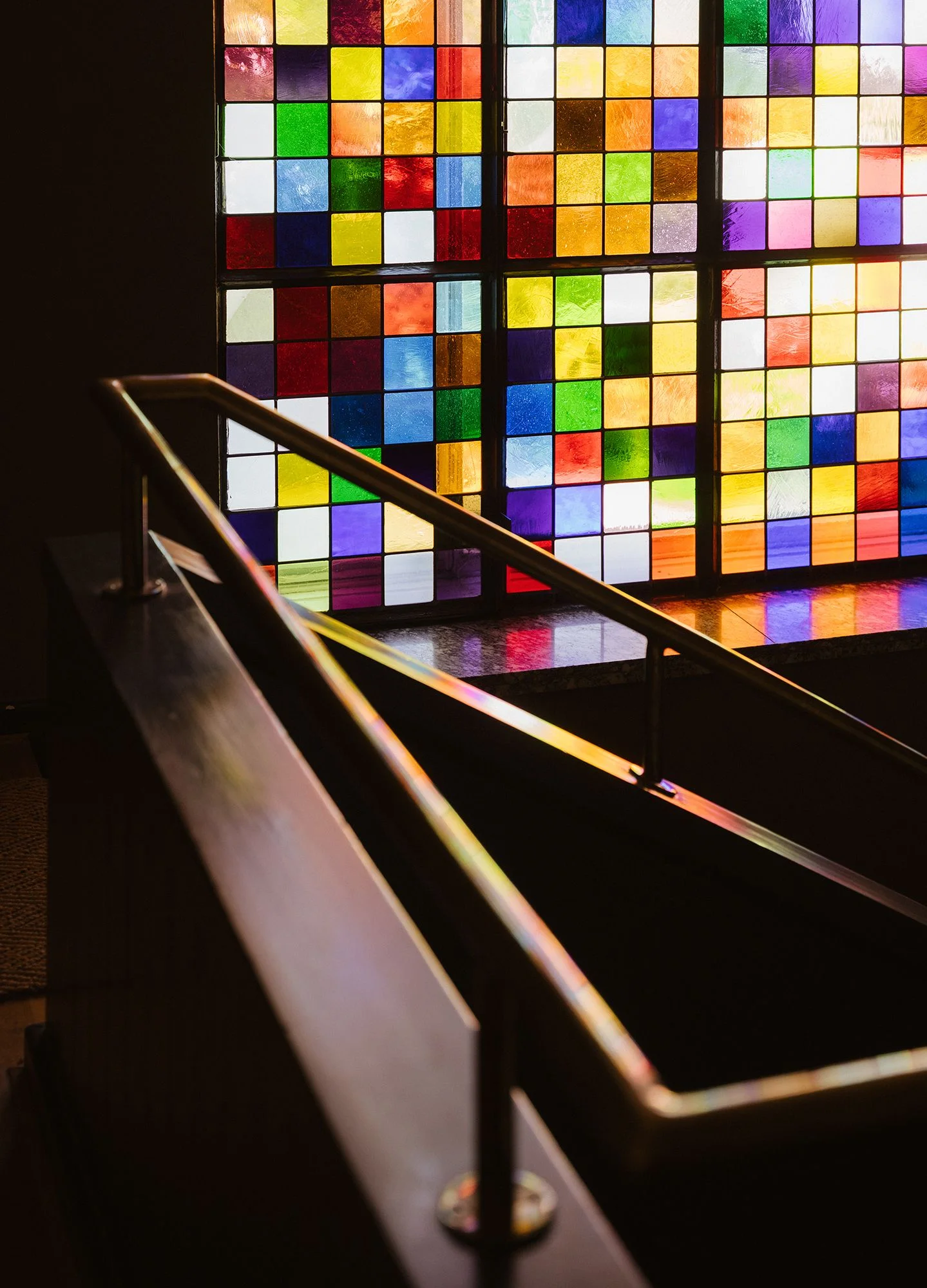
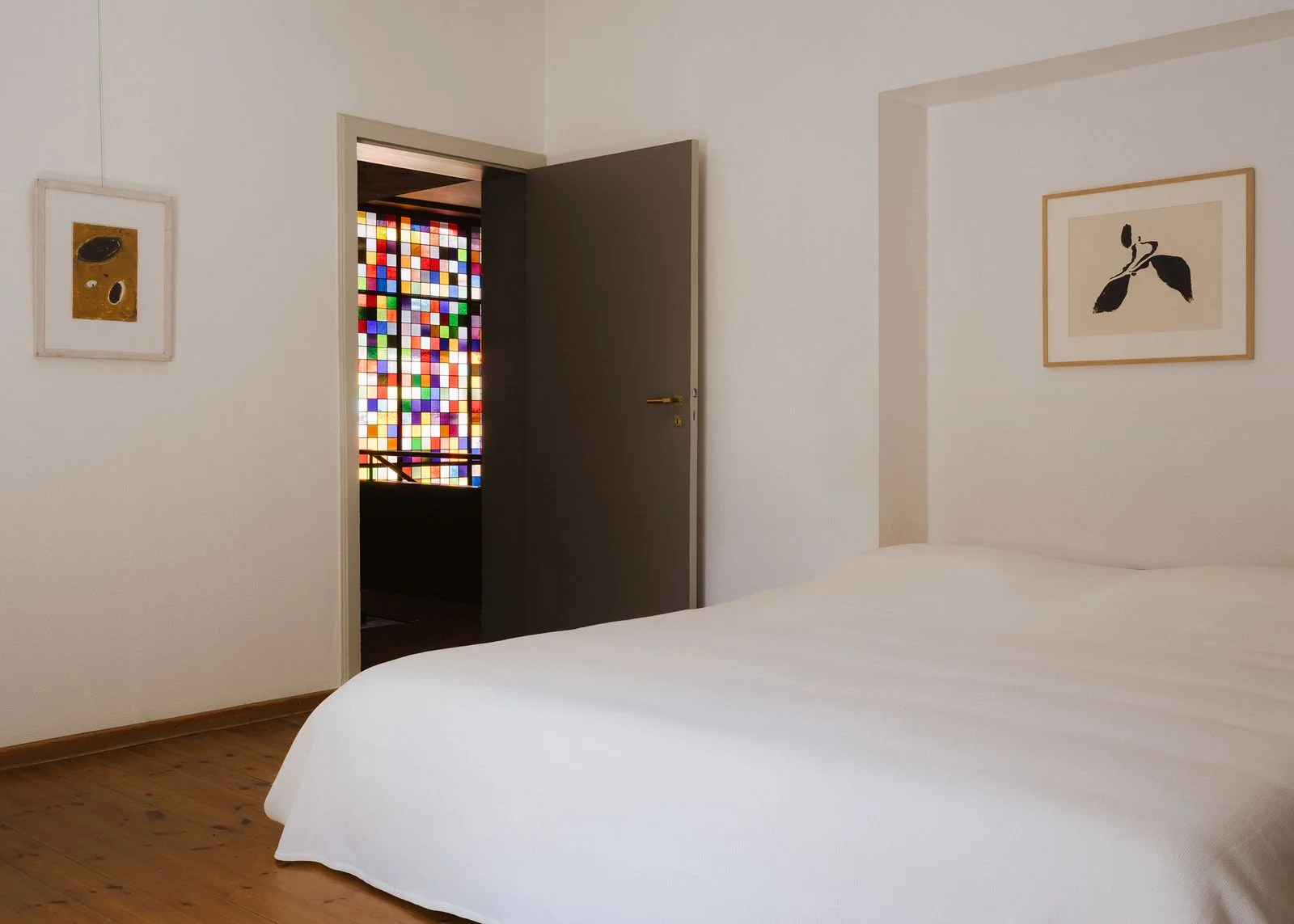
In 1989, none other than Gerhard Richter stepped in to make his own contribution to the house. The owner visited Richter in his Cologne studio, after a longtime fascination with the visual artist’s work using colored squares. Decades before Richter was to achieve greater international fame with his window for the Cologne Cathedral, he was given total freedom by the villa’s then-owners to create a work made of 625 colored, industrial-glass squares set in lead frames. The result was a composition of pure chance—in some places, identical colors lie next to each other, turning the light in the house’s vestibule into a vibrant play of tones and transparency. For the present day homeowners, this meant living with a permanent light installation that gives the house a dynamic jolt, and which they describes as “almost mystical.”
Floor planning
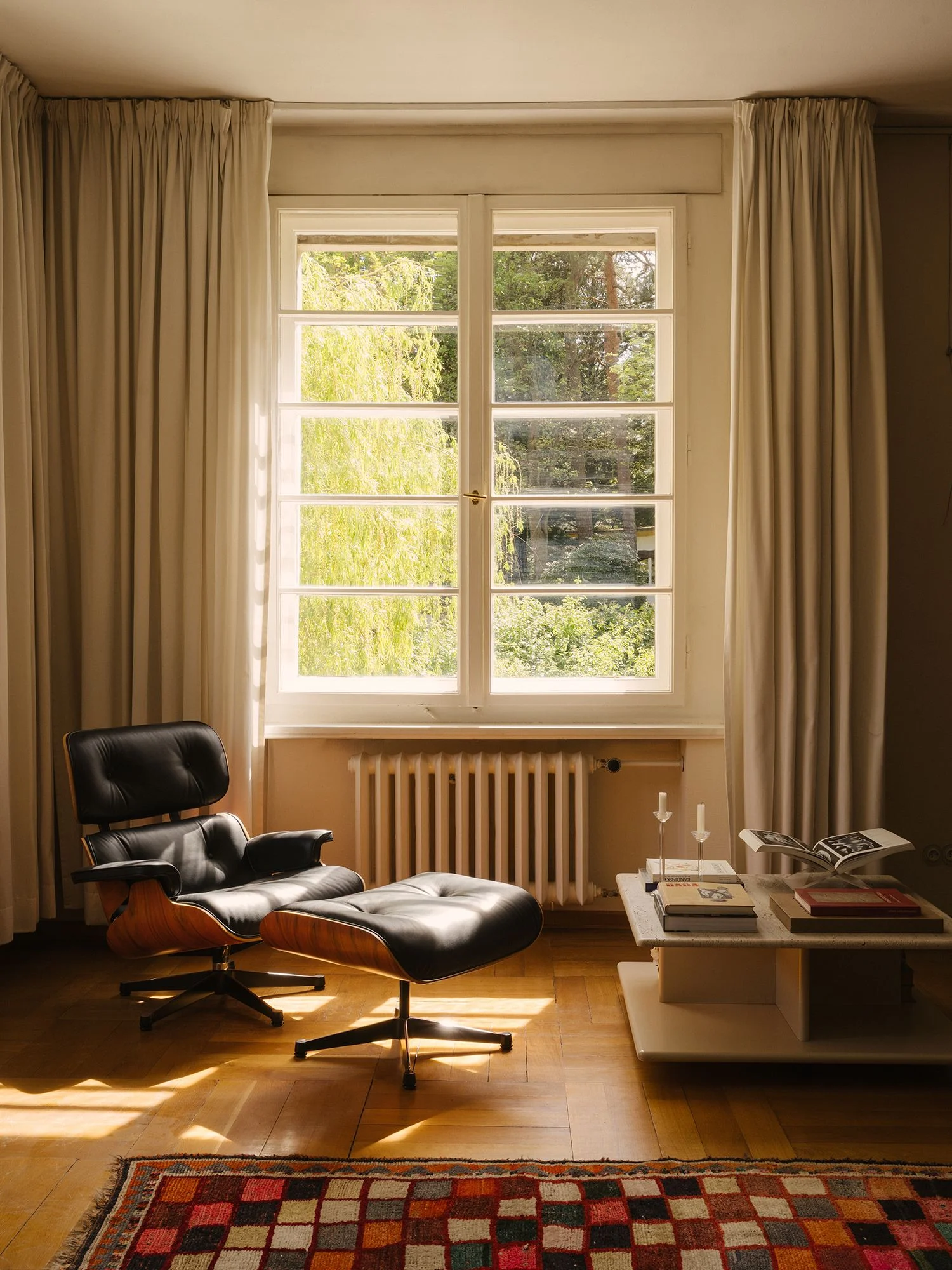
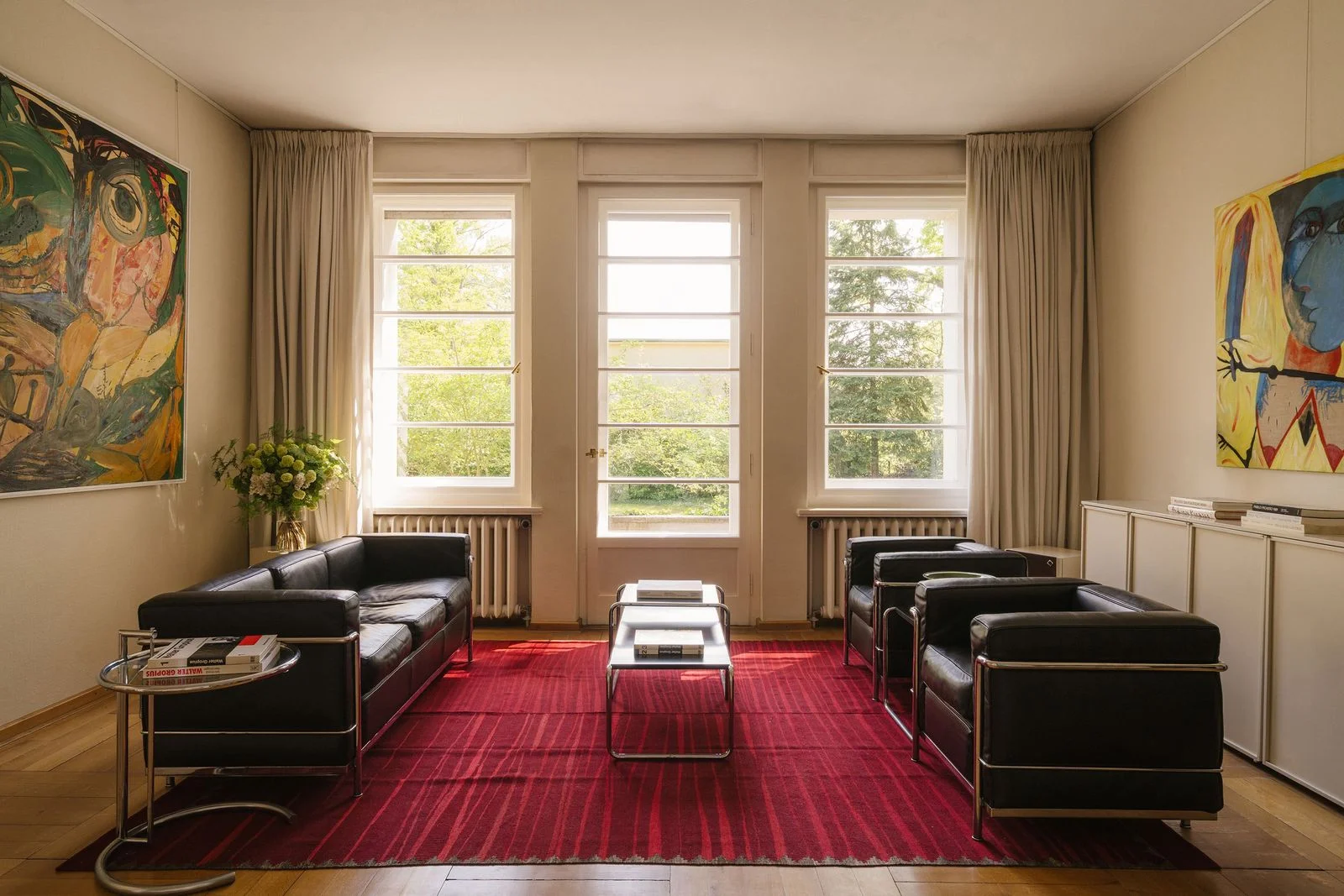
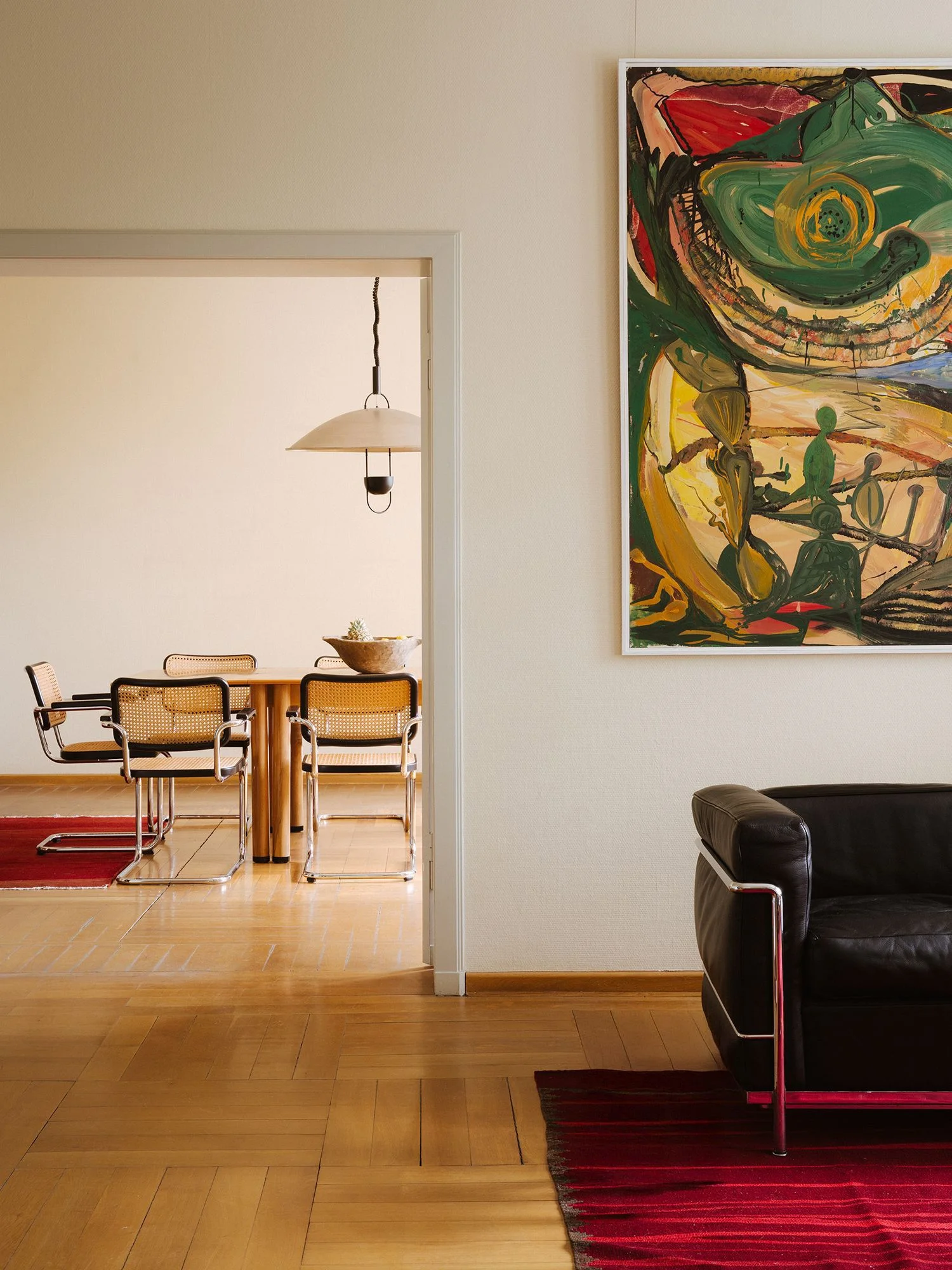
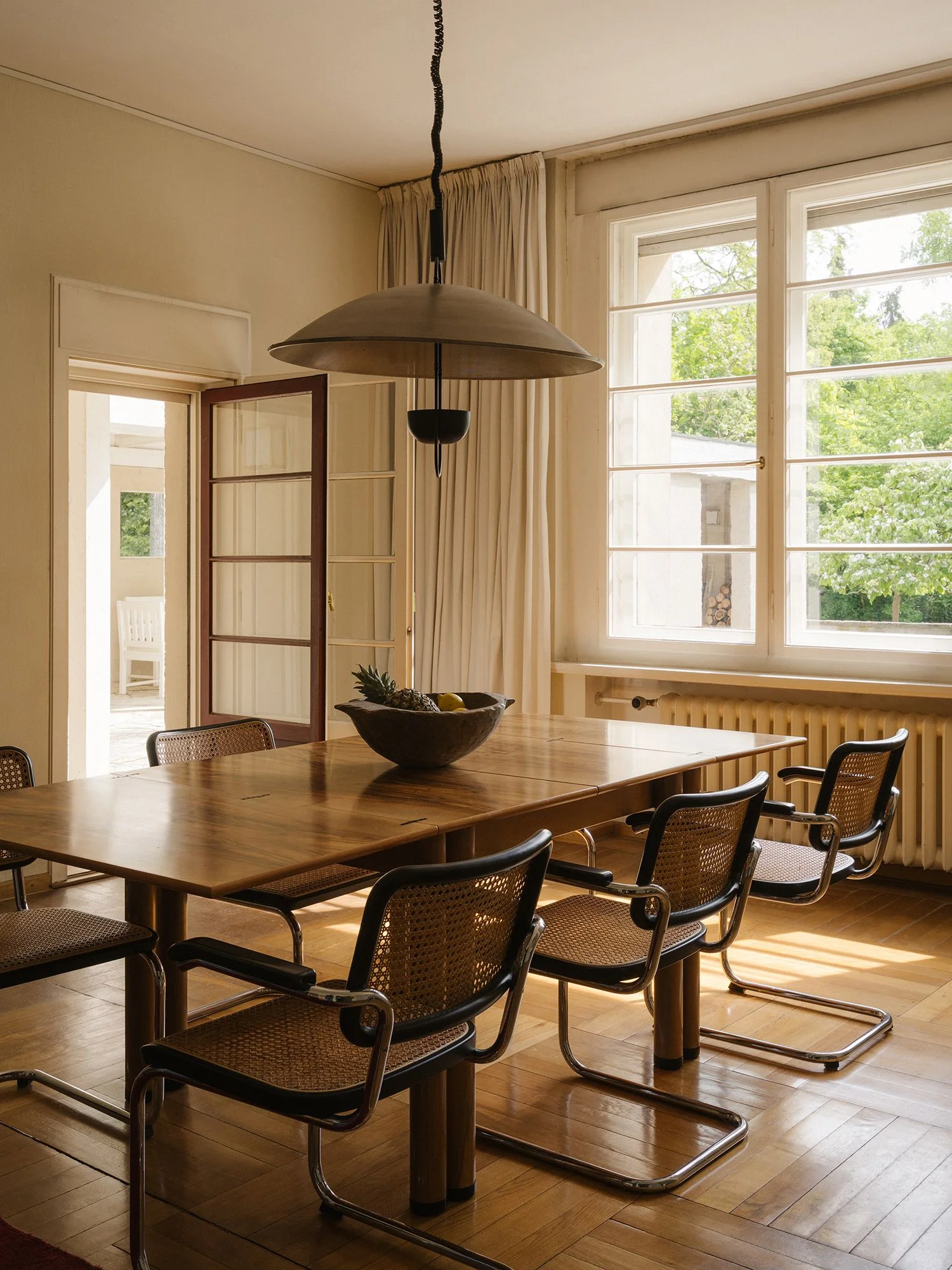
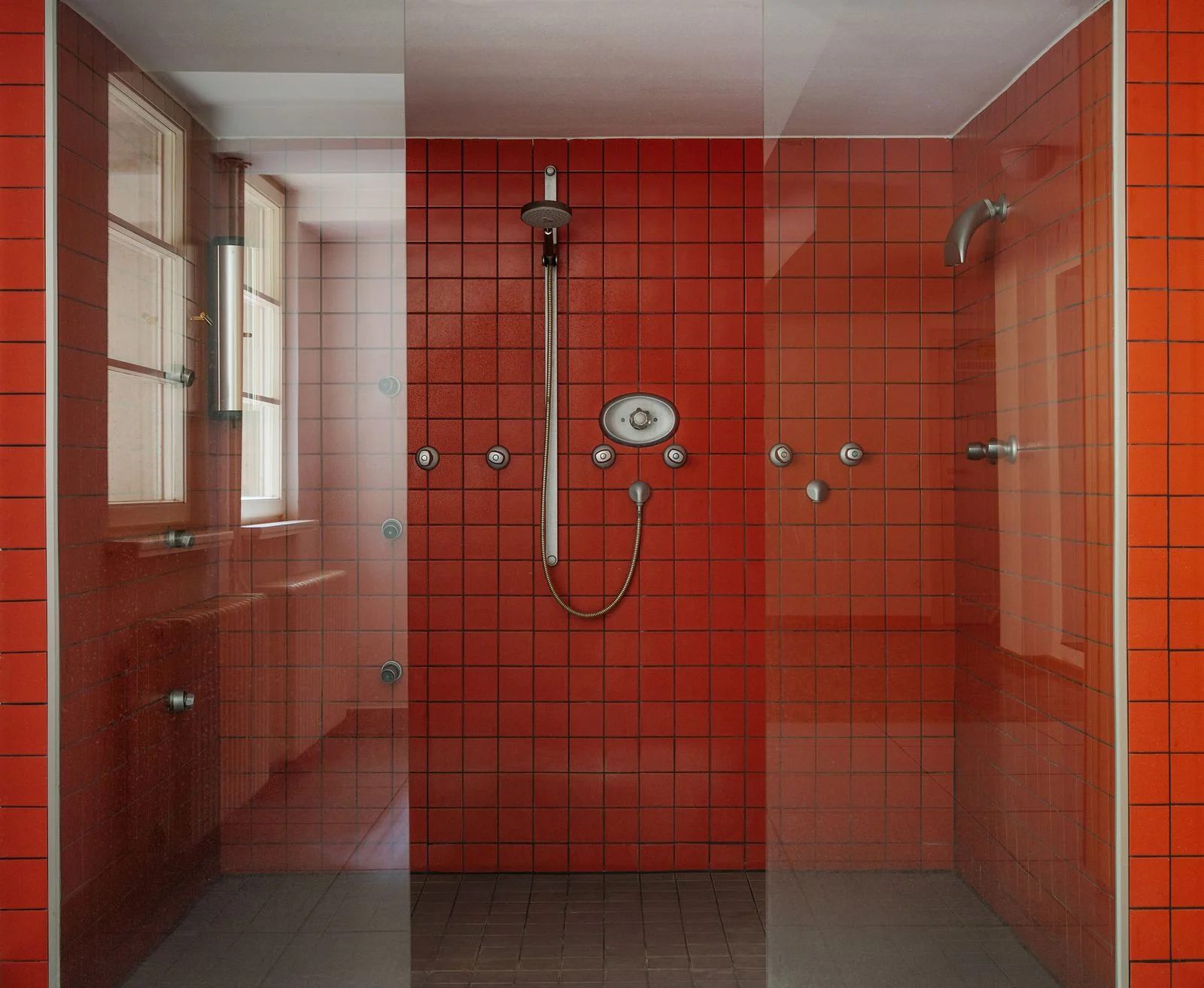
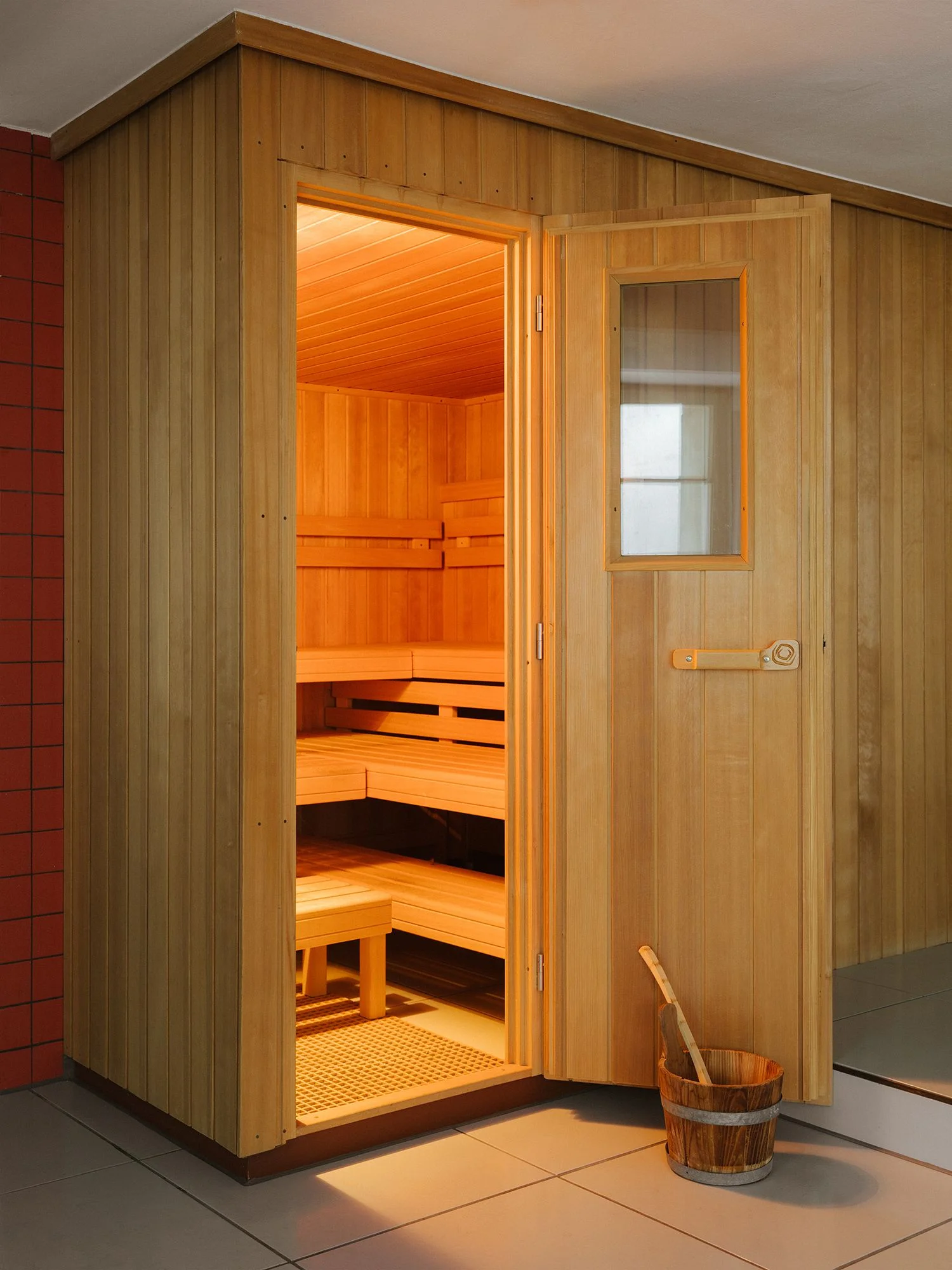
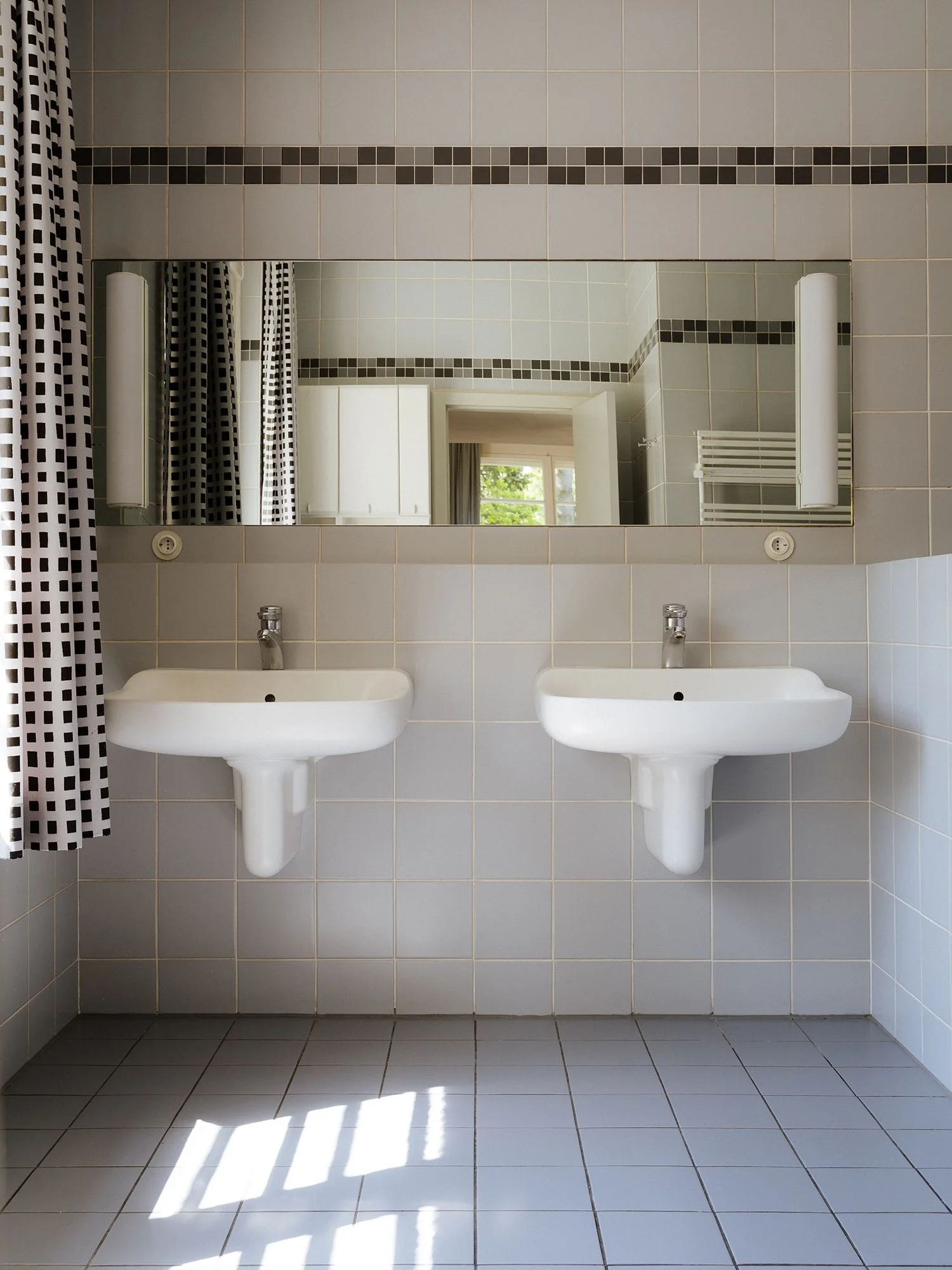
The Haus Otte is much more than a gallery housing Richter’s work; it’s a living, breathing property that redefines luxury with a focus on clarity and spaciousness. With an impressive 6,500 square feet of living space, the house has a layout that balances grandeur and privacy. In addition to the double-height reception area, the ground floor leaves an impression with its enfilade of dining, music, and living rooms all facing the garden. A floor above, four exquisite bedrooms serve as quiet retreats. Two bathrooms are designated to serve this more private area of the home. With a dressing room and its own bathroom, the principal bedroom is an entire suite that feels like a serene oasis. The attic holds three more light-filled rooms and a bathroom. The refined standards of the restoration continue in the basement, which includes a wellness area with sauna and a stylish wine cellar that anchor the house in the present.
Rescuing an architectural prize
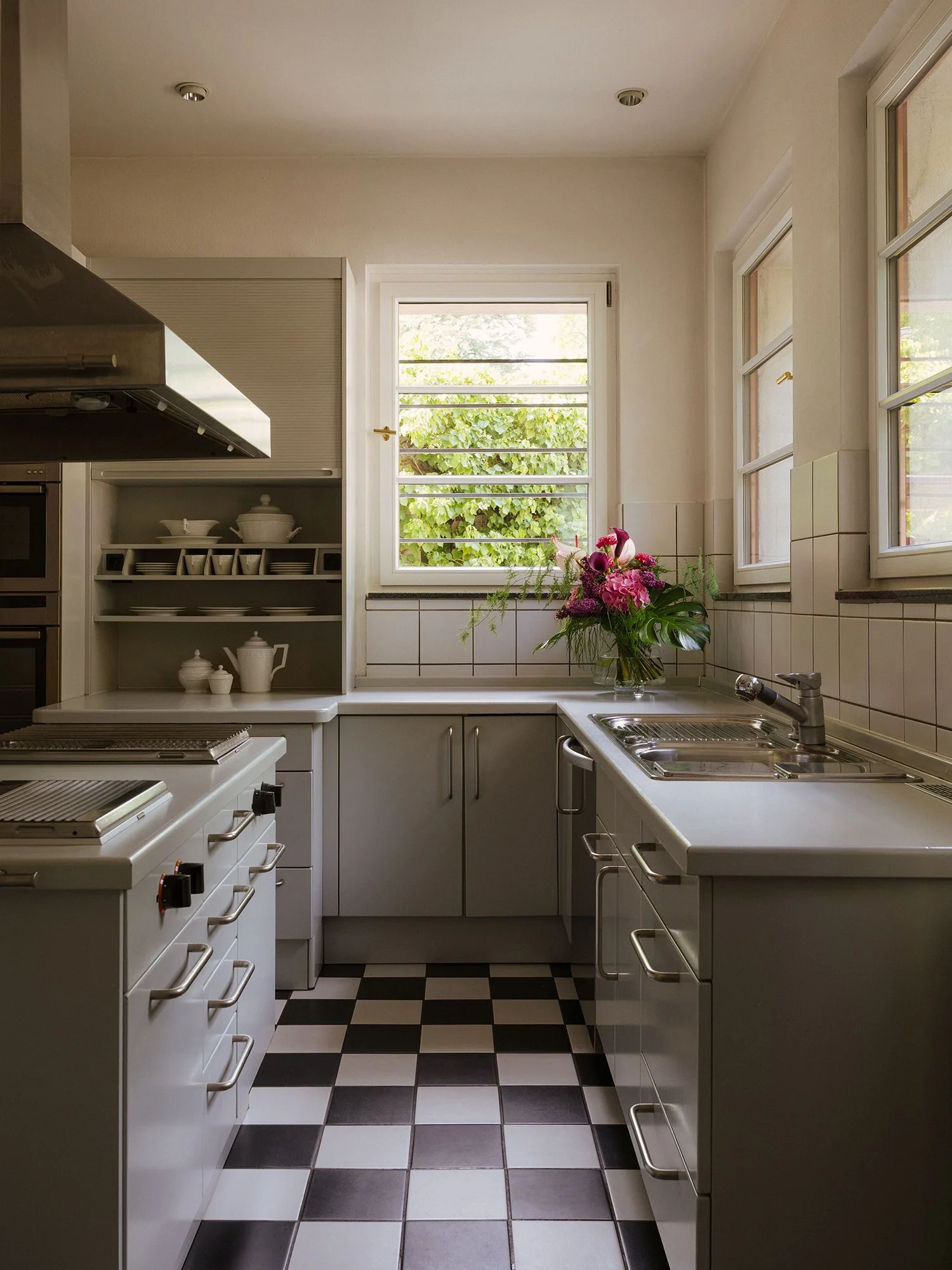
That this jewel of a villa lives on today is thanks to some impressive detective work. After World War II—which left the garden partially destroyed—the American military occupied the house for years. Facing substantial debt, Otte’s son—who was then working as a taxi driver—began to sell the property in piecemeal until, by the early 1950s, nothing remained. Soon after, Sonja Ziemann, a famous German actor of the time, moved in. The villa was later divided into apartments, and for a while it was used as housing for Pan Am pilots. A mid-1980s owner applied for permits to tear it down, which brought historic preservation authorities into the story.
The only way to stop the demolition was if a buyer could be found who would undertake a renovation following the stipulations of landmark authorities. Cue the present owner, who, in 1987, stepped in to purchase and restore the house as a family residence. Every detail, from the exterior plaster to the oak floors to the Doppelkastenfenster–style box windows with fittings made of real horn, was reconstructed to meet the highest standards. It was of the utmost importance for the restoration to honor the home’s original period of construction.
A garden paradise
Not far from the Mexikoplatz S-Bahn station, Haus Otte is located in the exclusive neighborhood of Schlachtensee. The outdoor space, now restored, successfully melds architecture with nature. Gropius’s design included a garden of picturesque orchards, vegetable beds, and stark travertine. An extended east-facing terrace with a classic pergola invites the day’s warmth into an ultra-private setting. In combination with the architecture, the landscaping is not only a testament to Gropius’s visionary ideas, but also living proof that the best modernist works are timeless. Anyone who lives here doesn’t just get to call an exceptional building their home, they take responsibility for a splendid piece of living architectural heritage.
This Walter Gropius gem was originally published in AD Germany.