There’s a new design advisory committee in Washington—and it’s primed to shake up the look of transportation infrastructure across the country. Called the Beautifying Transportation Infrastructure Council, the discretionary group was established to provide the Secretary of Transportation, Sean Duffy, with recommendations to enhance the “aesthetic value” of the country’s transit hubs and systems, like highways, train stations, and bridges. The council held its inaugural meeting in early February and established two major agenda items. Below, everything you need to know about the group and what it may mean for the future look of the nation.
What is the Beautifying Transportation Infrastructure Council?
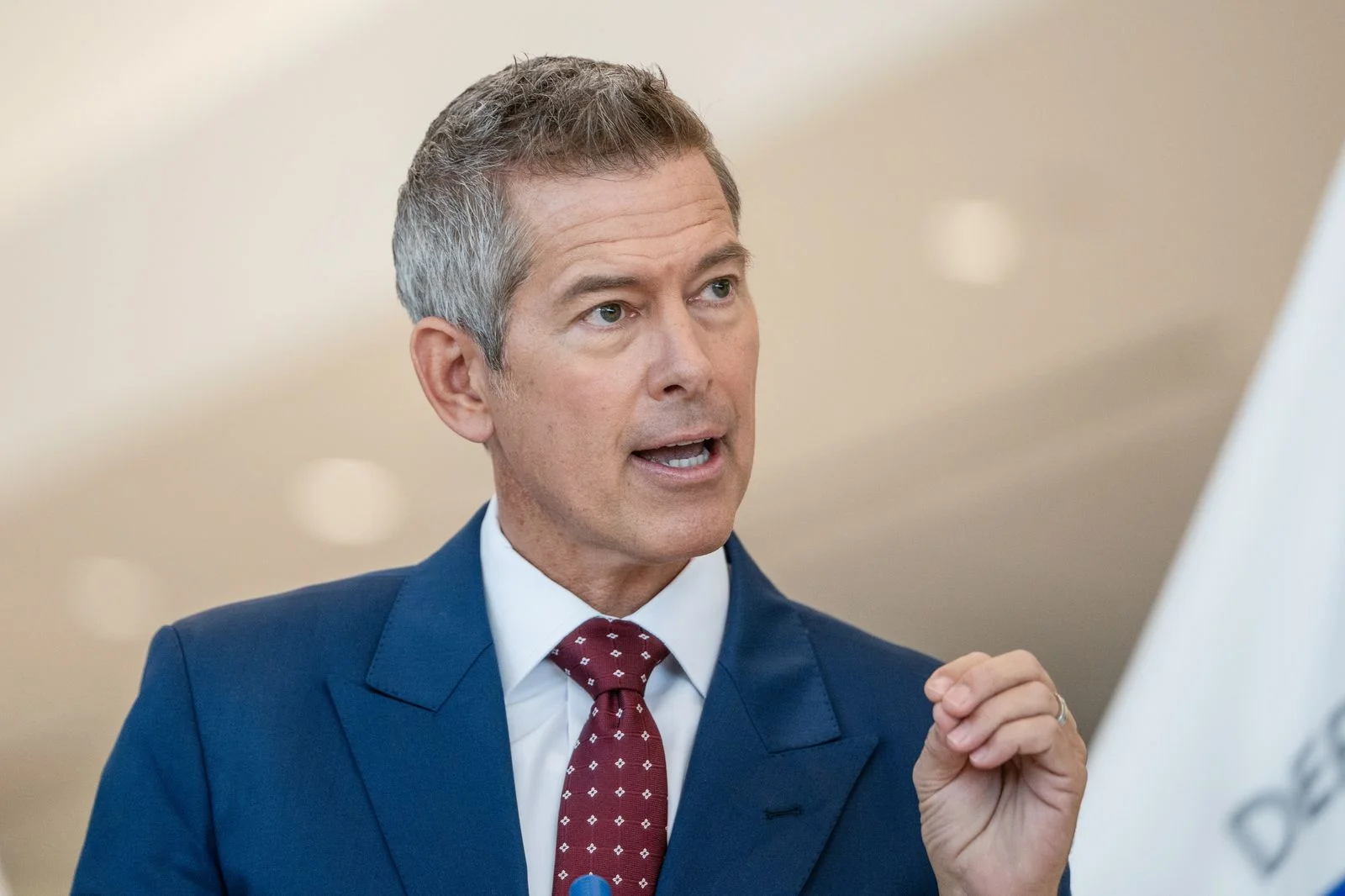
The Beautifying Transportation Infrastructure Council is an advisory committee that offers advice to the US Secretary of Transportation, Sean Duffy, on the design and aesthetic of transit systems. According to the Department of Transportation (DOT), the group will provide “recommendations on policies, designs, and funding priorities that beautify transportation infrastructure, including highways, bridges, and transit hubs, while maintaining safety and efficiency. The council identifies best practices, develops aesthetic performance metrics, and advises on projects that enhance public spaces and reflect local character.”
Duffy signed the council’s charter in November of 2025, and the members had their first meeting in early February, according to Fast Company.
Who is part of the Beautifying Transportation Infrastructure Council?
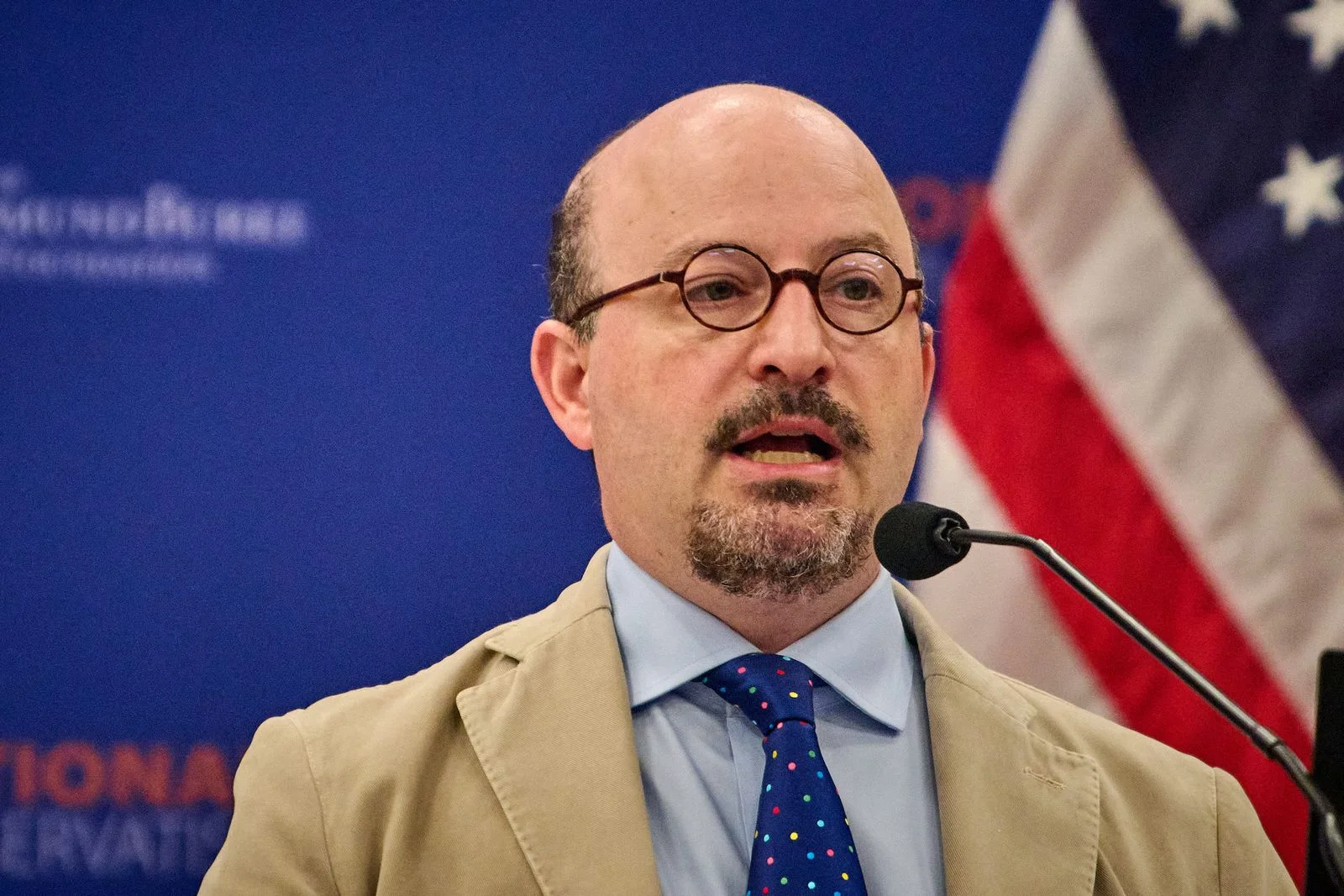
The council comprises “up to” 11 members, according to its charter, though the DOT only lists 8 as of February 10. Justin Shubow, the president of the National Civic Art Society, is the chair. Other members include:
- Bradley Cambridge, Architect
- Maryam Ghyabi-White, CEO and President, Ghyabi Consulting and Management
- Bryan Jones, Mid-Atlantic Division President and Senior Vice President, HNTB Corporation
- Gary Meisner, President, Meisner+ Associates | Land Vision
- Jason Pike, Design Division Director, Texas Department of Transportation
- Peter Quintanilla, Vice President of Design Hub, Michael Baker International
- Kim Vierheilig, President of Buildings, STV, Inc.
In late 2025, the DOT solicited nominations for members, stating it sought to appoint people “who will reflect a fair balance in terms of the points of view and professional backgrounds represented and the functions to be performed by the Council.”
What power does the council have?
The council is purely advisory in nature and has no decision-making powers. It “does not exercise program management responsibilities and makes no decisions directly affecting the programs on which it provides advice,” the charter reads. “The Secretary of Transportation may accept or reject a recommendation made by the Council and is not bound to pursue any of its recommendations.”
What design styles will the infrastructure council promote?
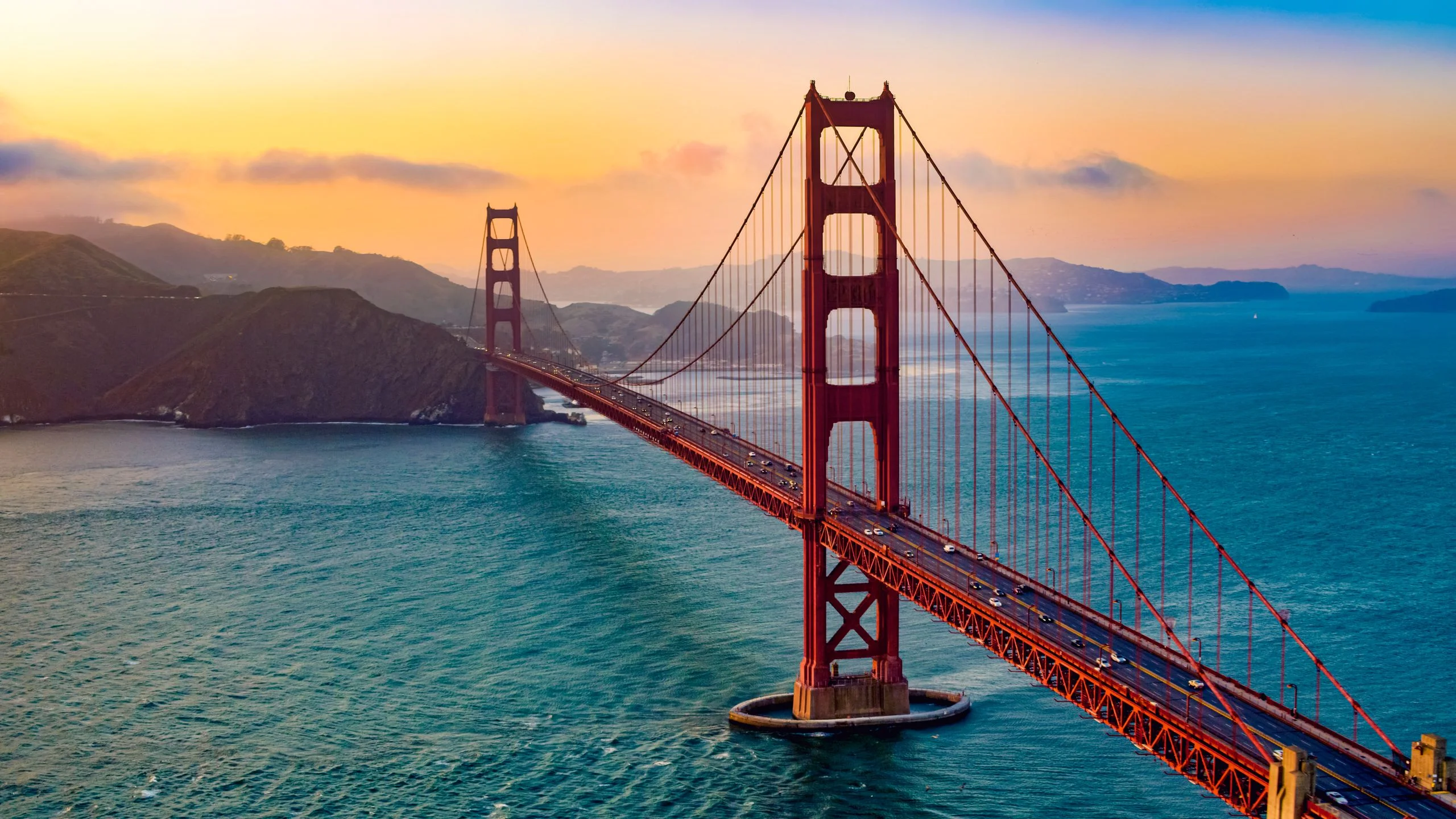
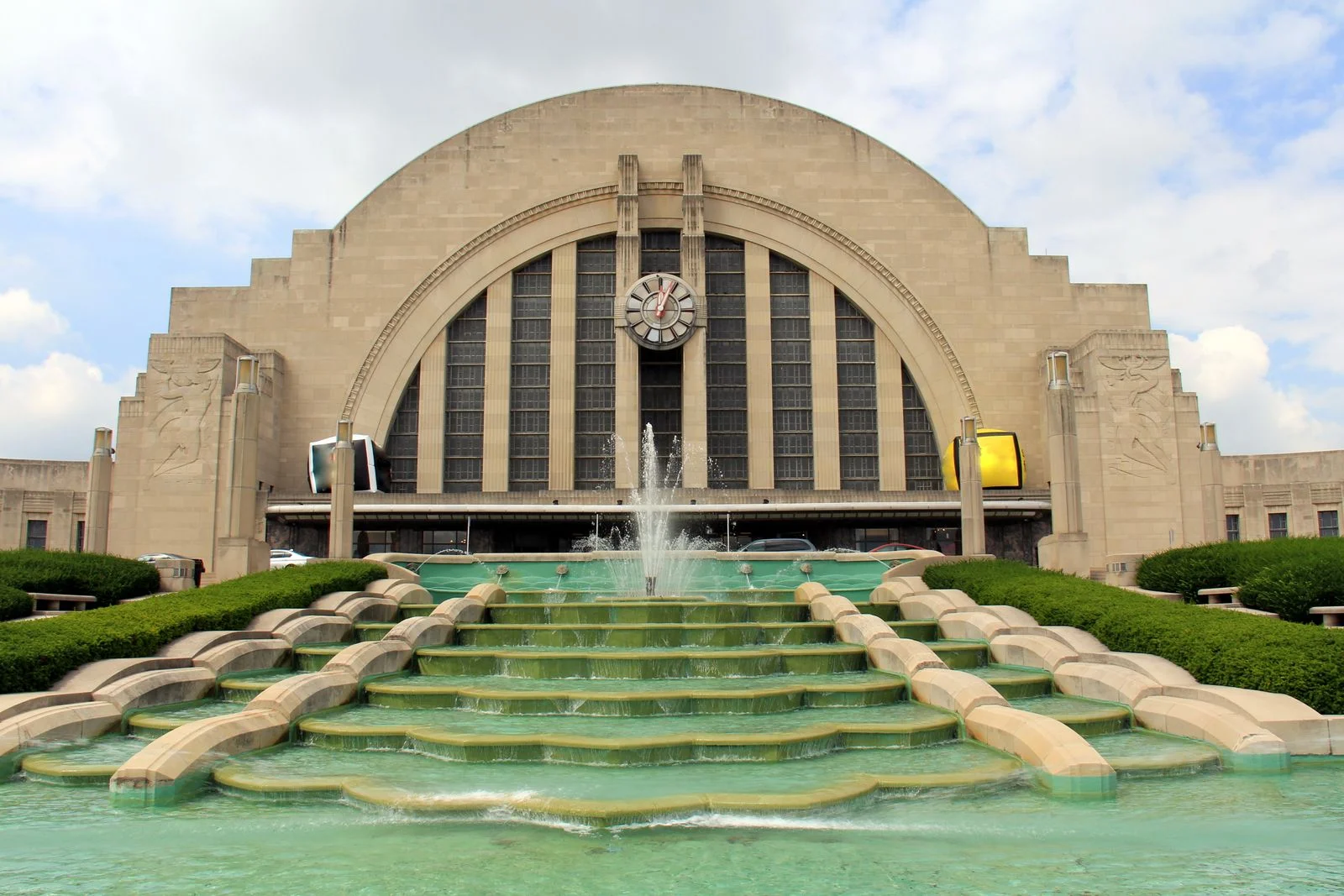
“This council, I believe, should not recommend that any particular style be mandated, but it should make clear that classical and traditional design are legitimate options,” Shubow, the council’s chair, said during his opening remarks at the group’s inaugural meeting, according to Fast Company. He has called out San Francisco’s Golden Gate Bridge and the Union Terminal in Cincinnati as examples of the kind of design the council might shepherd.
The spotlight on classical and traditional design is expected, given that the DOT noted in a 2025 press release that the council would “align with President Trump’s Executive Order (E.O.) 14344, Making Federal Architecture Beautiful Again.” (Reminder: this decree was all about reinstating classical design over modern ones when it came to public buildings). Shubow is also the president of the National Civic Art Society, a nonprofit organization that advances “classical tradition in architecture, urbanism, and their allied arts.”
However, the Golden Gate bridge is designed in the Art Deco style, a precursor to the modernist movement, and the style was favored among 20th century architects because it didn’t recall European classicism. The fact that it was made an example (and seemingly given the stamp of approval with no mention of updates) might suggest that future projects may also deviate from classical norms in the strictest sense—that is, there could be more than domes and Greek columns. (In the Executive Order, the White House interpreted classical styles as Neoclassical, Georgian, Federal, Greek Revival, Beaux-Arts, and Art Deco.)
It wasn’t just styles that the group discussed in the first meeting. Time was also given to need for artistic lighting under bridges and using regionally appropriate wildflowers alongside highways, according to Fast Company.
What happens next?
The council identified two major agenda items, including overseeing a national design competition that is looking for new infrastructure proposals and creating a design guidebook that would set new aesthetic recommendation for future transportation hubs. According to the charter, these suggestions would steer “project planners toward inspiring outcomes using principles like harmony with landscapes, use of local materials, biophilic design, minimization of signage, and public art integration.” The council meets biannually and it is likely that whatever determinations it makes will be highly influential for the design and construction of future public transportation projects.