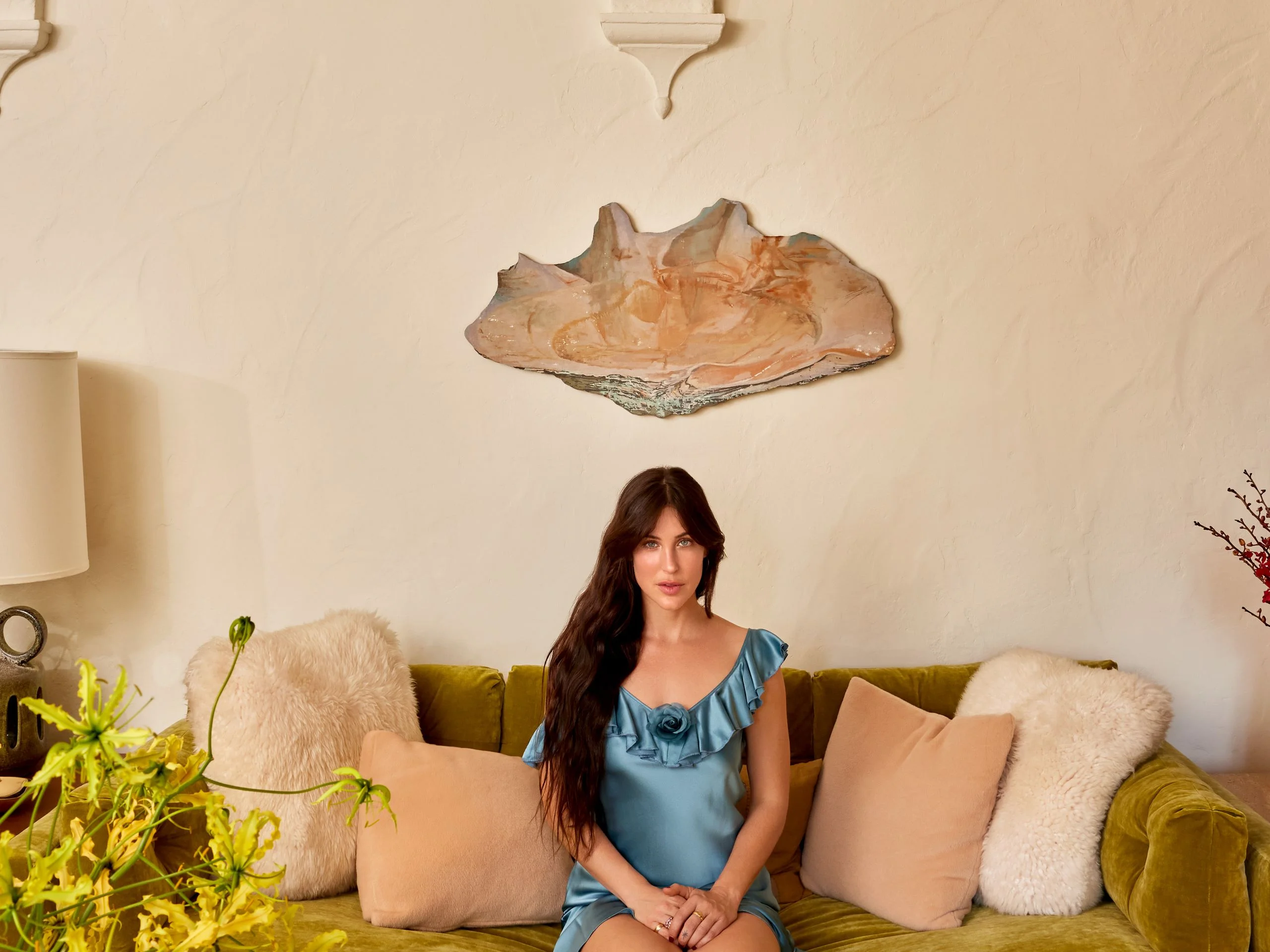
"I want people to come to this house and fall in love,” says musician Scout Willis wistfully, imagining the parties that will surely unfold in the charming storybook house in Hollywood that her friends have nicknamed “the Chapel of Love.” “I want people to meet each other here and make out,” she says, nostalgic for the sort of in-person encounters that take place in her recent music video “It Ain’t Nothing,” where she and costar Thomas Doherty lock eyes and graze fingertips amid revelers in a sprawling mansion.
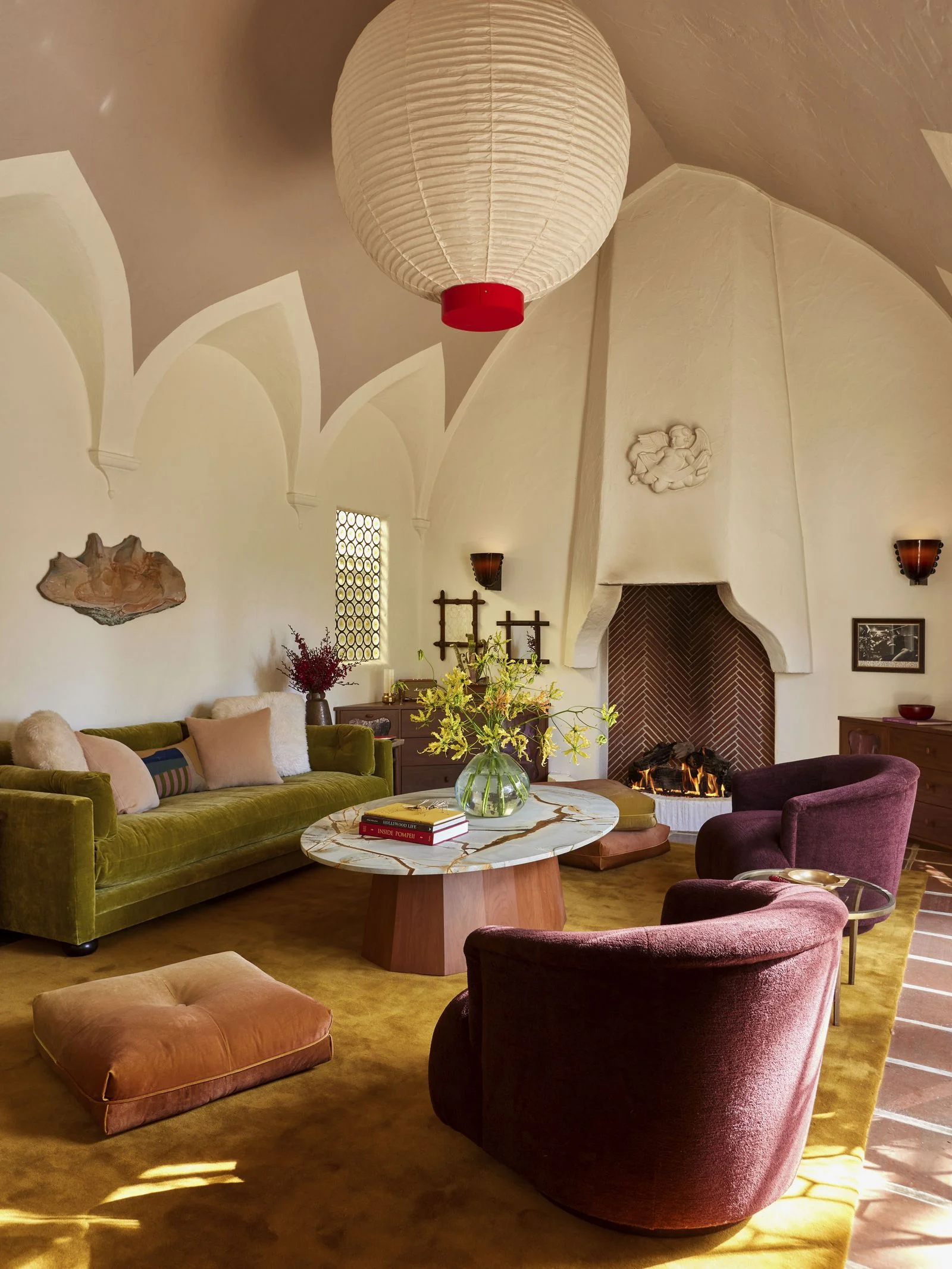
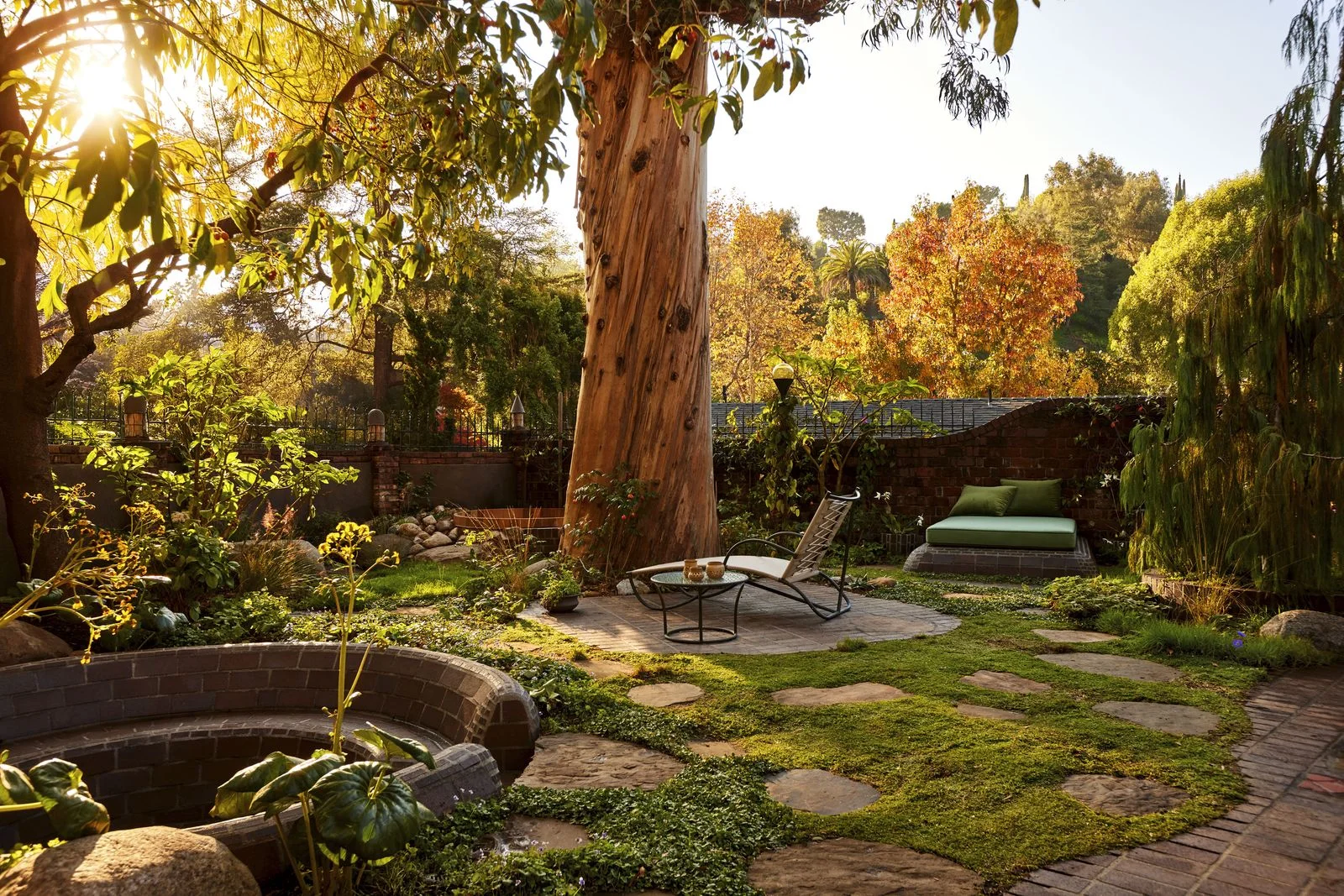
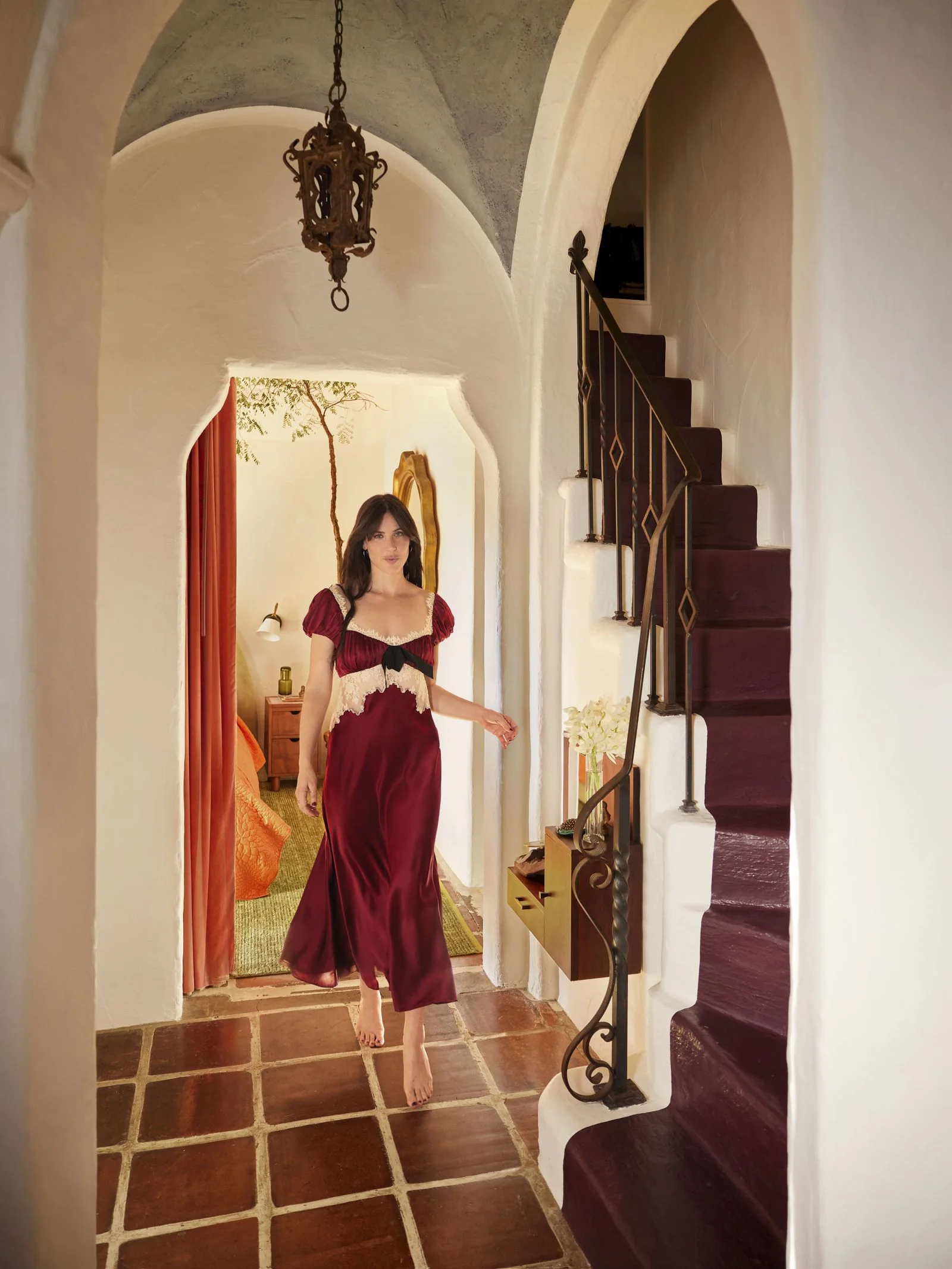
For Willis, though, this time it’s the house itself she fell for. “I walked in and saw this ceiling,” she says over FaceTime, showing off the home’s groin-vaulted entryway, still sporting its original colored plaster. “And I immediately felt it.” The quaint, Normandy-style cottage, built by architect Frederick A. Hanson (best known for his contributions to the Forest Lawn Glendale Cemetery) in the 1920s had been hardly touched since, its yard anchored by an enormous eucalyptus tree. A self-professed “nerd for LA history,” Willis jumped at the opportunity to serve as a custodian for such a unique piece of the city.
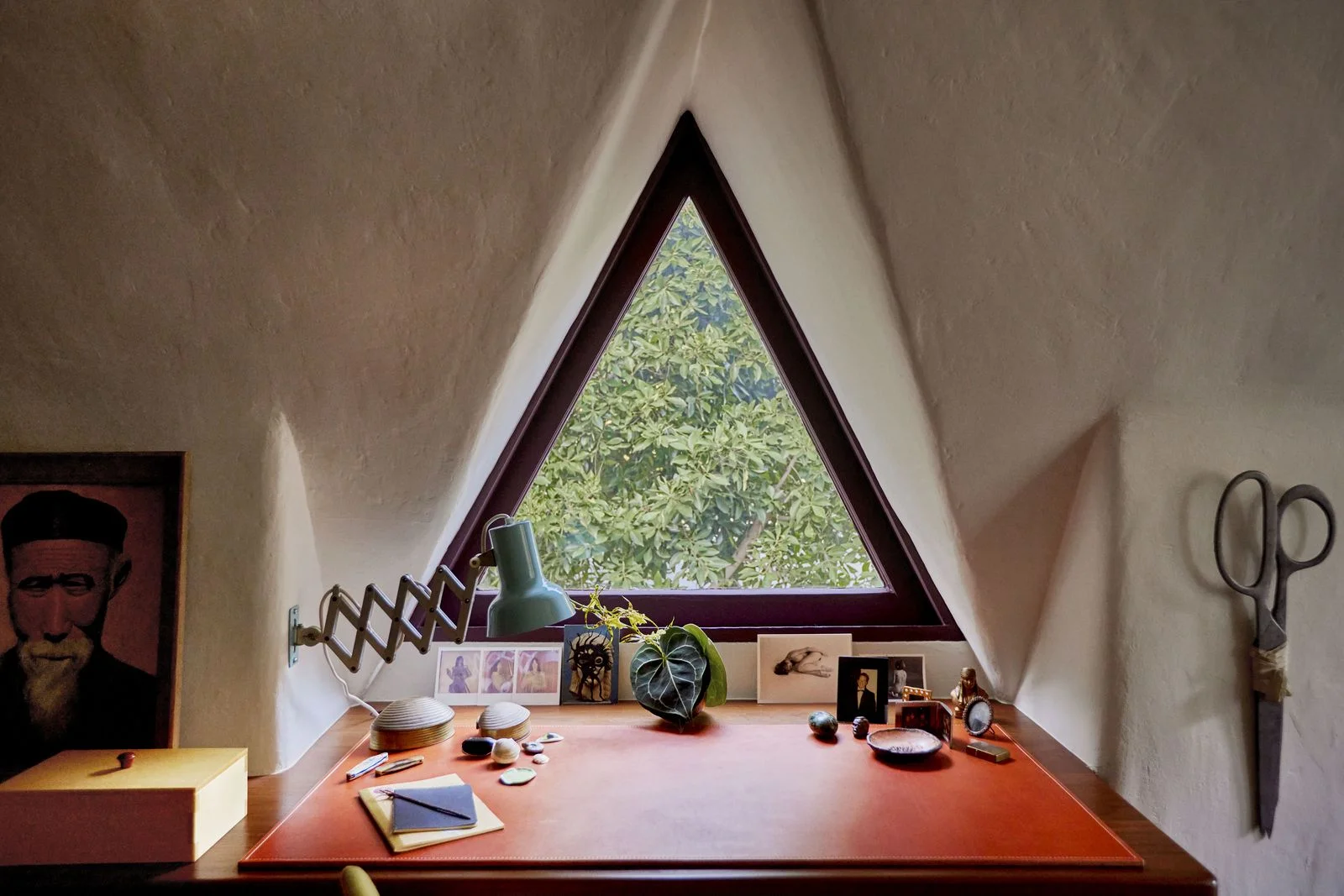
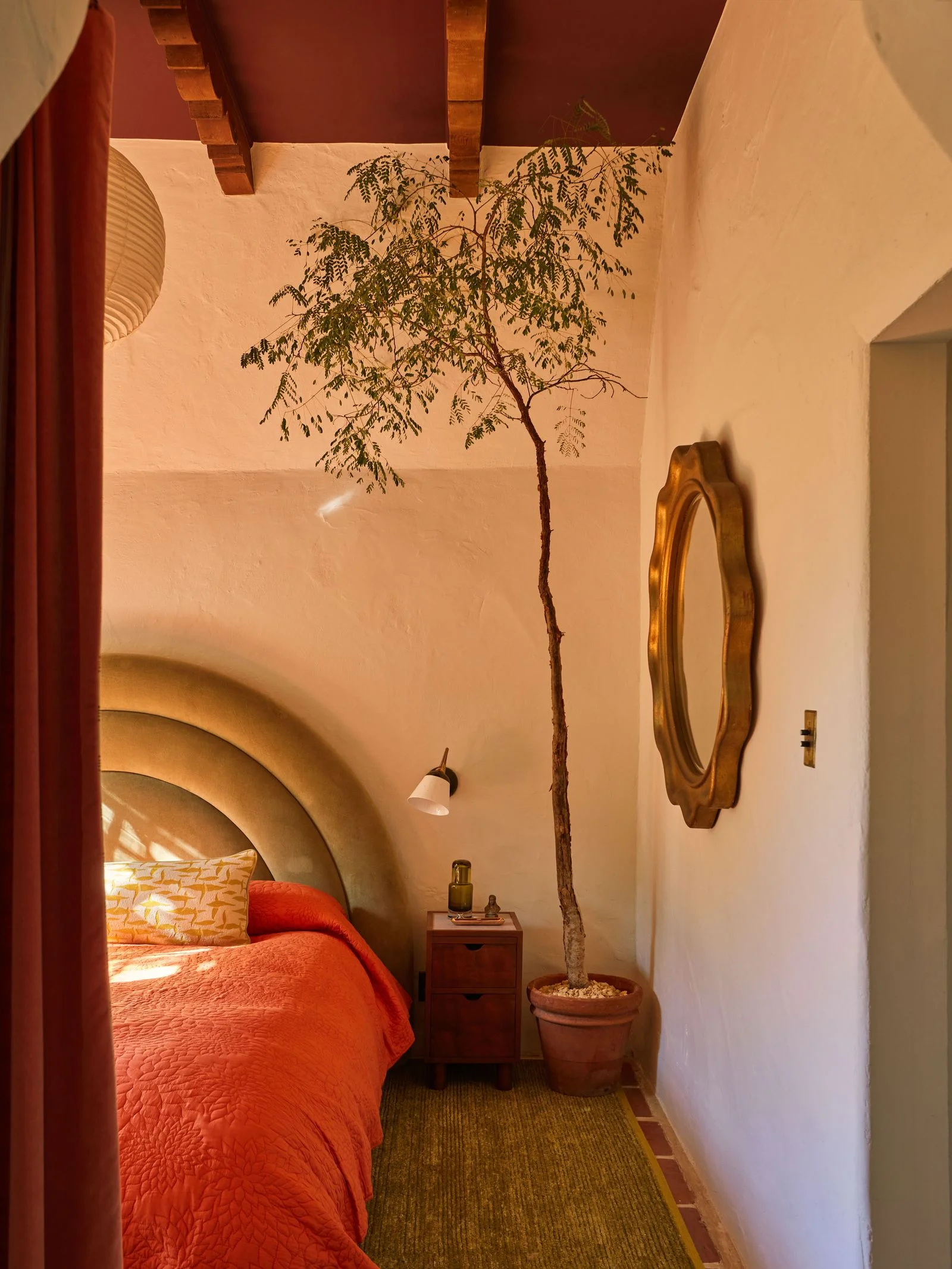
As the house is a designated historical landmark, its petite footprint and signature façade could not be significantly altered. Not that she wished to do so. Still, Willis wanted to make it her own, so she called on Roman Alonso, of the AD100 firm Commune Design, who she’s known for more than a decade, to help her recalibrate the place for herself and her rescue pup, Grandma. They stripped ceiling beams to reveal original wood, subtly revised windows to create more airflow, and renovated the kitchen and closet (the latter transformed from a second bedroom). But mostly, they honed the vibe. “I wanted it to feel like an adult woman’s home. And at the same time, like an absolute whimsical, sensual child’s playground,” she reflects. In the results, you can sense Commune’s guiding hand behind Willis’s singular, unerring style. “Scout wanted the house to reflect her personality,” explains Alonso. “So it was really about showing her all the options. She chose everything—the tile; the colors. We’d put together palettes and then she’d mix them all up—and it worked!”
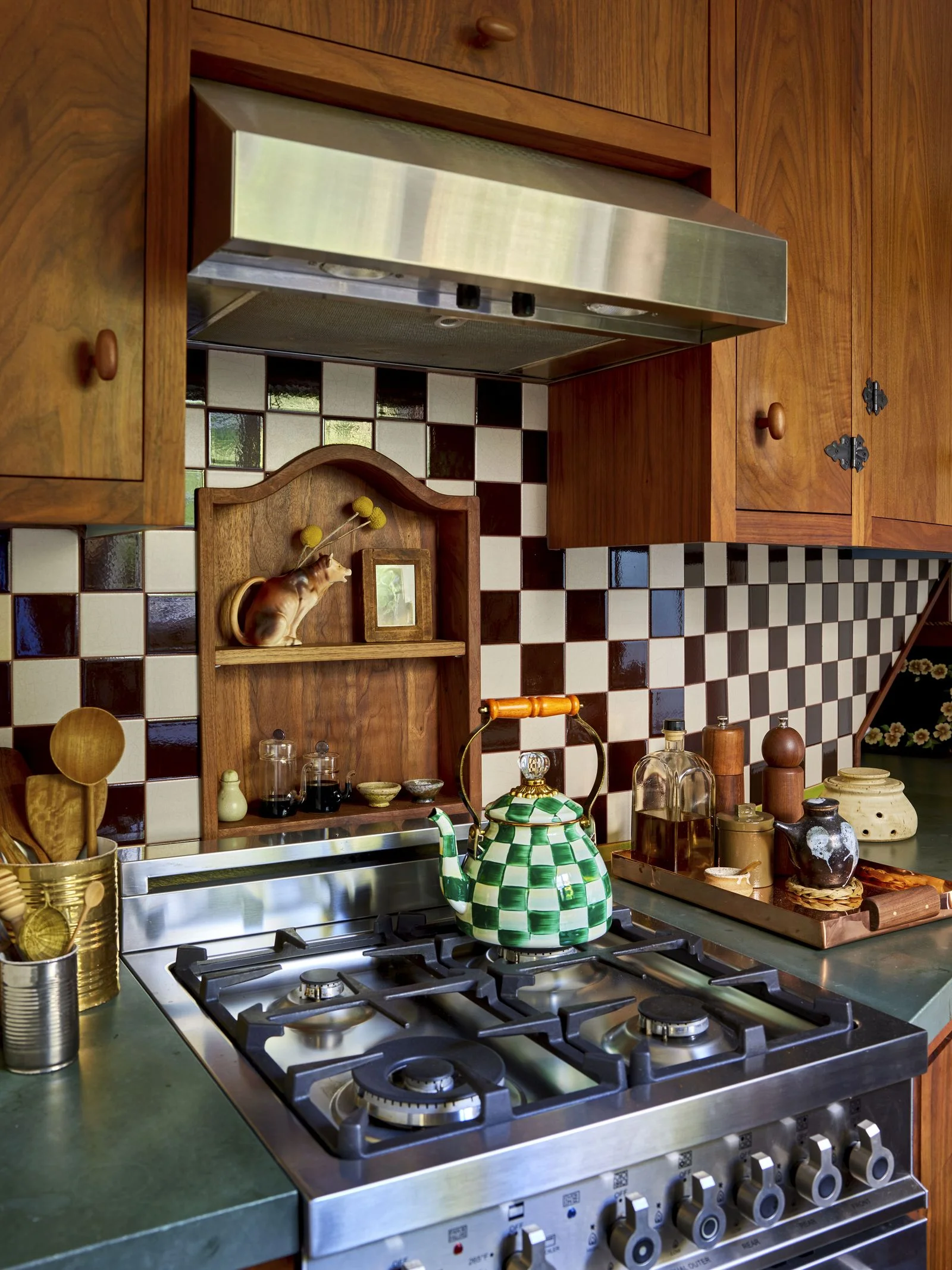
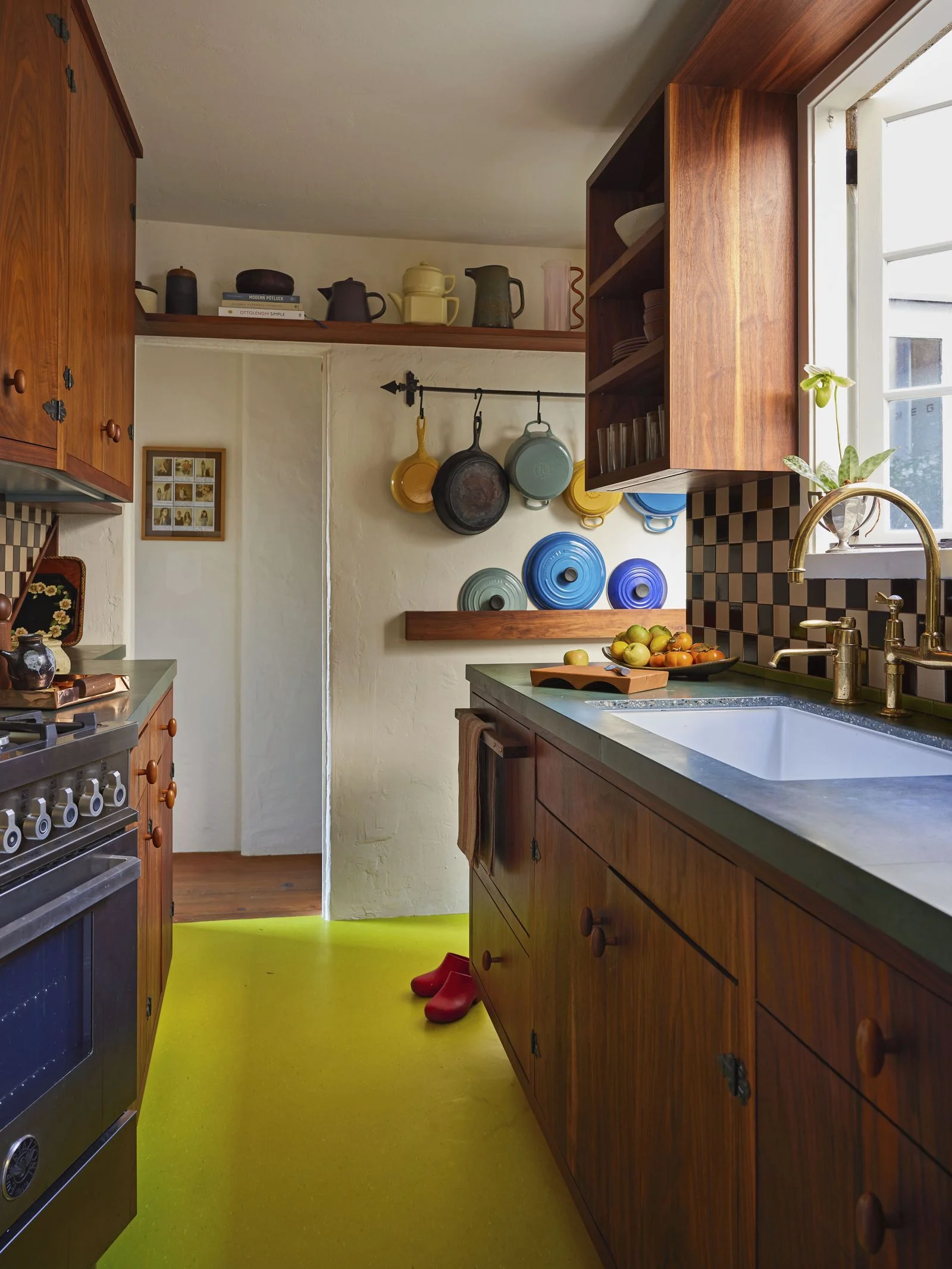
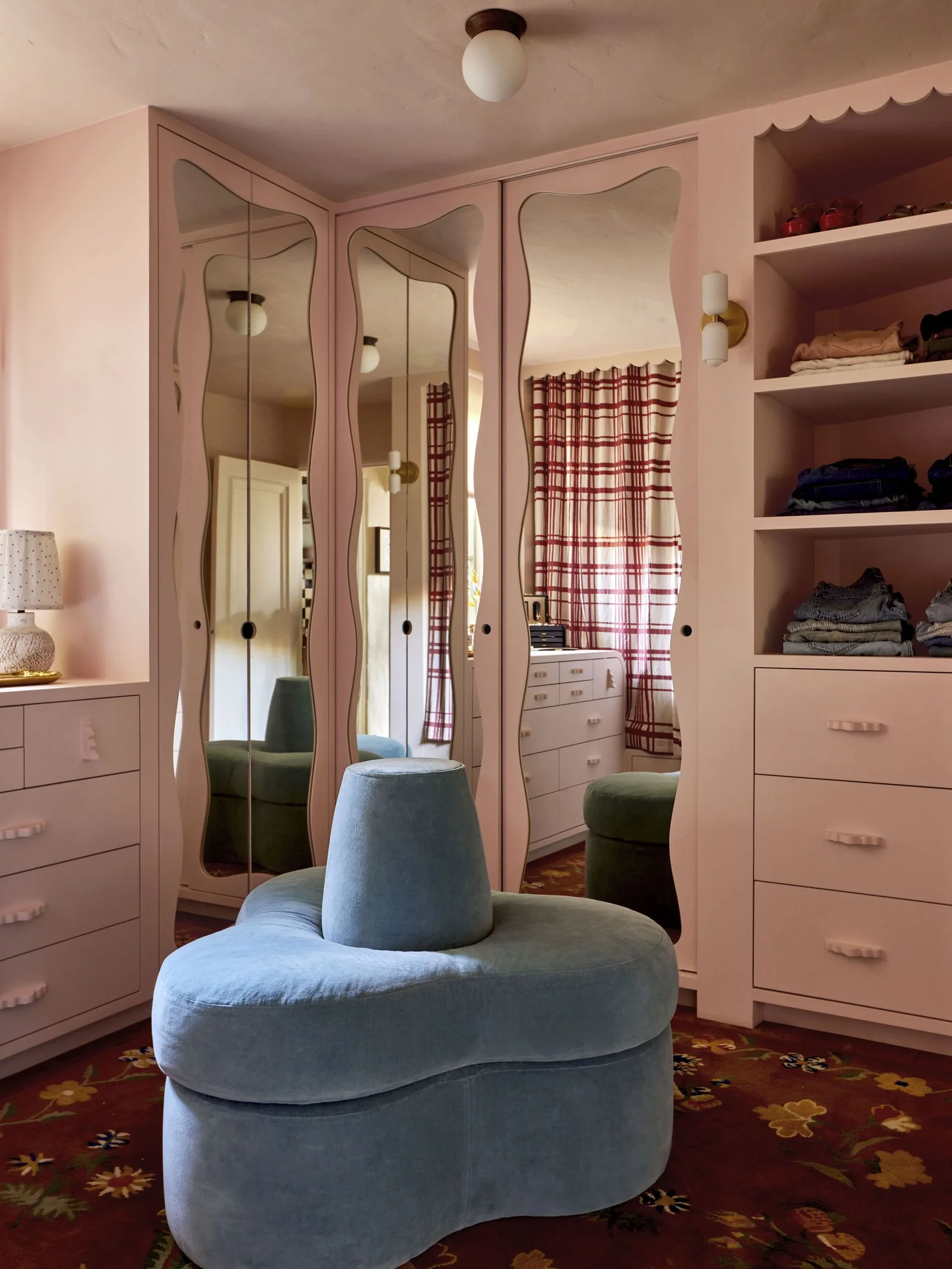
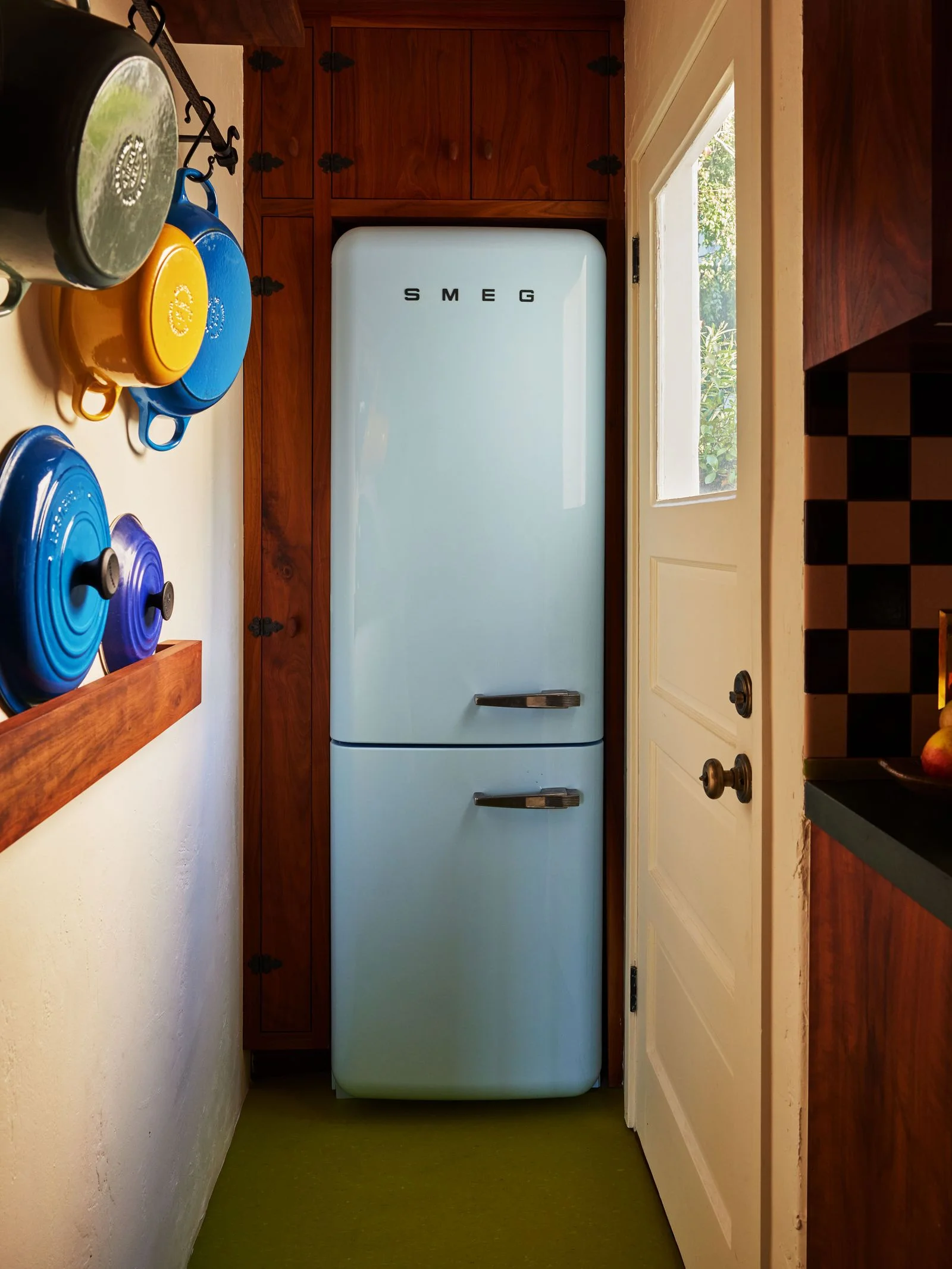
Some of the most transformative decisions in the home did have to do with color—like the soft pink (Farrow & Ball’s Peignoir) applied to the vaulted ceiling in the living room, accentuating the unique architecture; or the deep purple-brown (Farrow & Ball’s Brinjal) that slicks the stairs. Willis dropped by the Commune studio to choose tiles for the brown-and-white checkerboard backsplash, which they paired with green concrete counters, chartreuse linoleum floors, and Stickley-style cabinets for a look that feels, in her words, “very Big Sur.” Meanwhile, pale pink was chosen for the dressing room, which she calls “my surrealist Marie Antoinette 1930s department-store closet,” with a laugh.
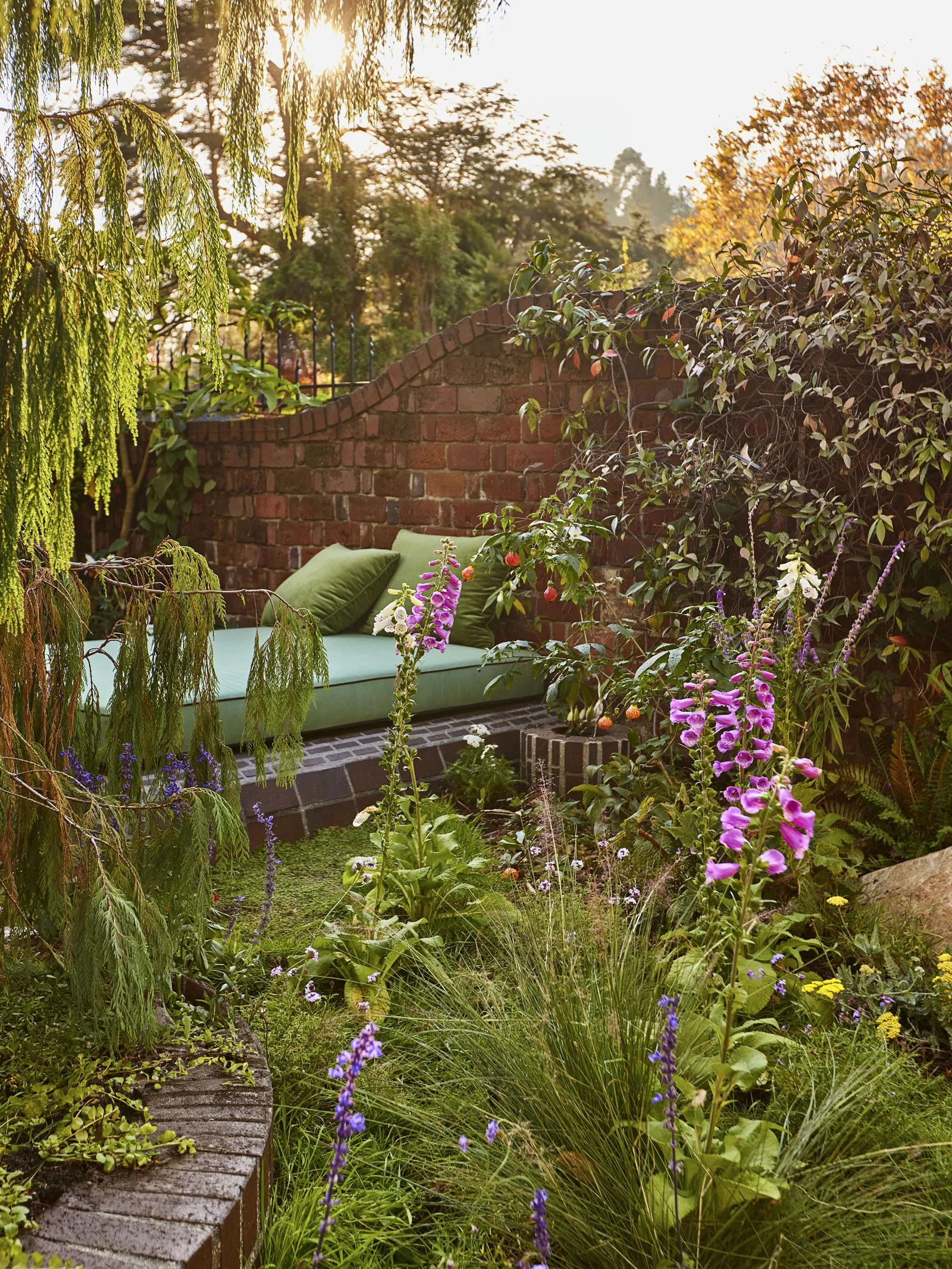
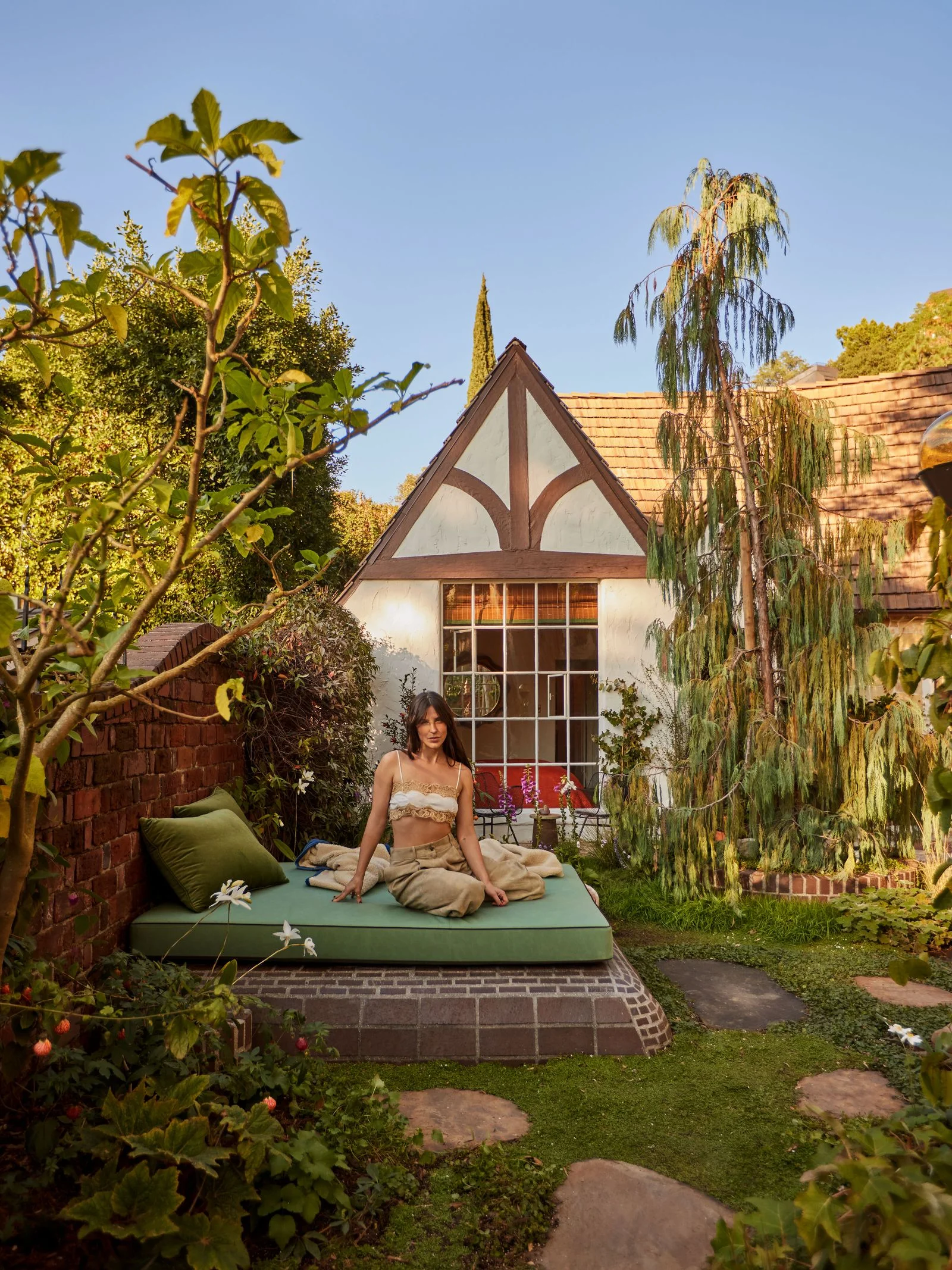
Willis thought deeply about how people would interact in every space, particularly in the garden, designed with AD100 firm Geoponika as a sort of en plein air annex to the 1,000-square-foot home. Could someone in the hot tub steal a glance at a guest in the sunken conversation pit? How does conversation flow between the outdoor dining table and the brick daybed? “My friend calls it flirty architecture,” she says. Even her cocktail table was designed with hosting in mind. Hewn from blue quartzite and cherrywood, the piece serves many purposes—dining table and entertaining surface by night and de facto workspace by day. (Obviously she went to Miguel Rojas’s fabrication studio to make sure the height was just right.) Indeed it was, and on the day of our call she was seated there, journaling next to a roaring fire.
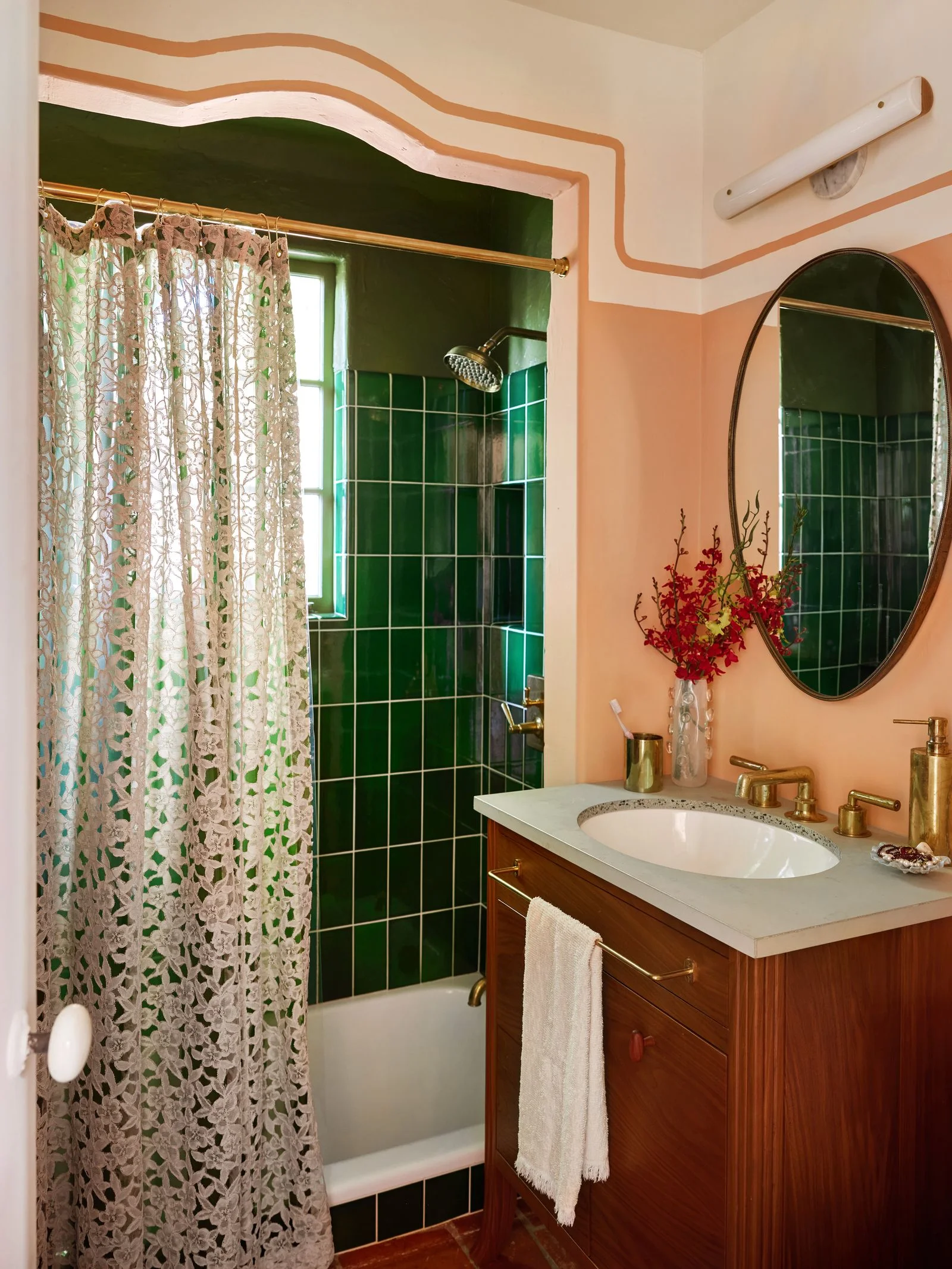
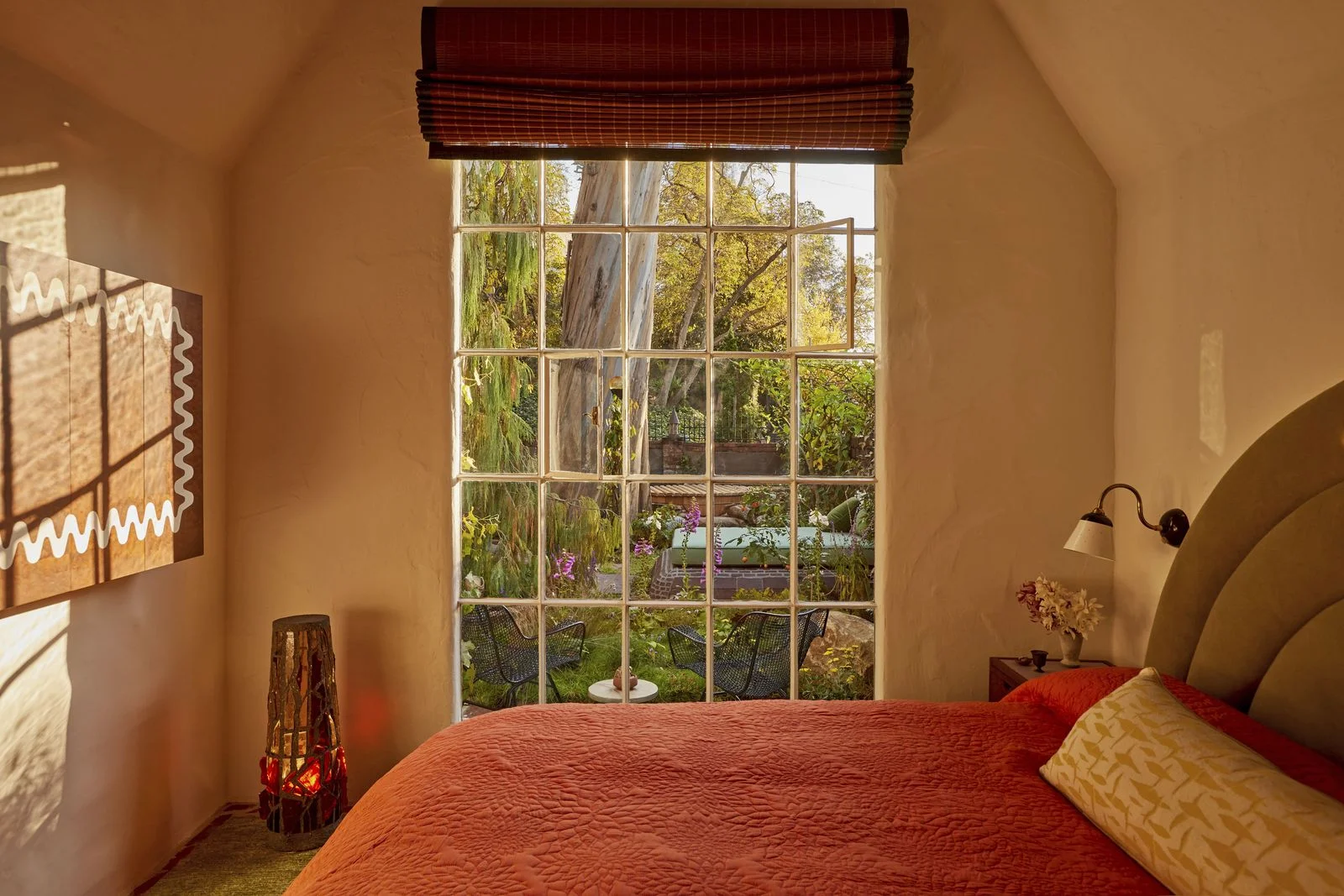
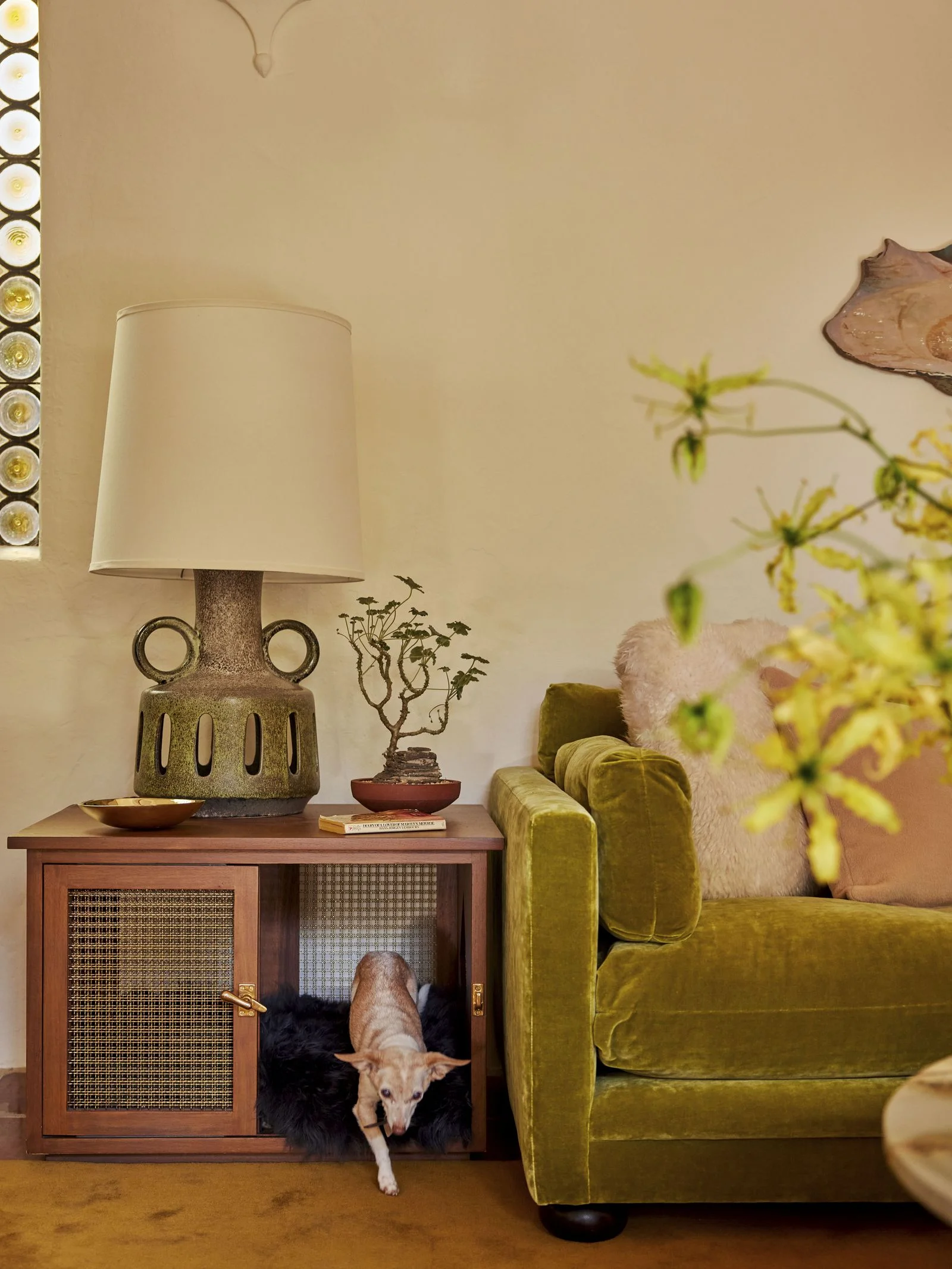
Elsewhere in the home, Alonso guided Willis to invest in the pieces that really count—and save on others. They went with a top-quality George Smith sofa, for example, and custom-designed everything from a “sun” headboard she dreamed up to a side table that doubles as a dog crate for Grandma. But for the shower curtain, she scored lace yardage at Mood Fabrics, and backed it with green chiffon.
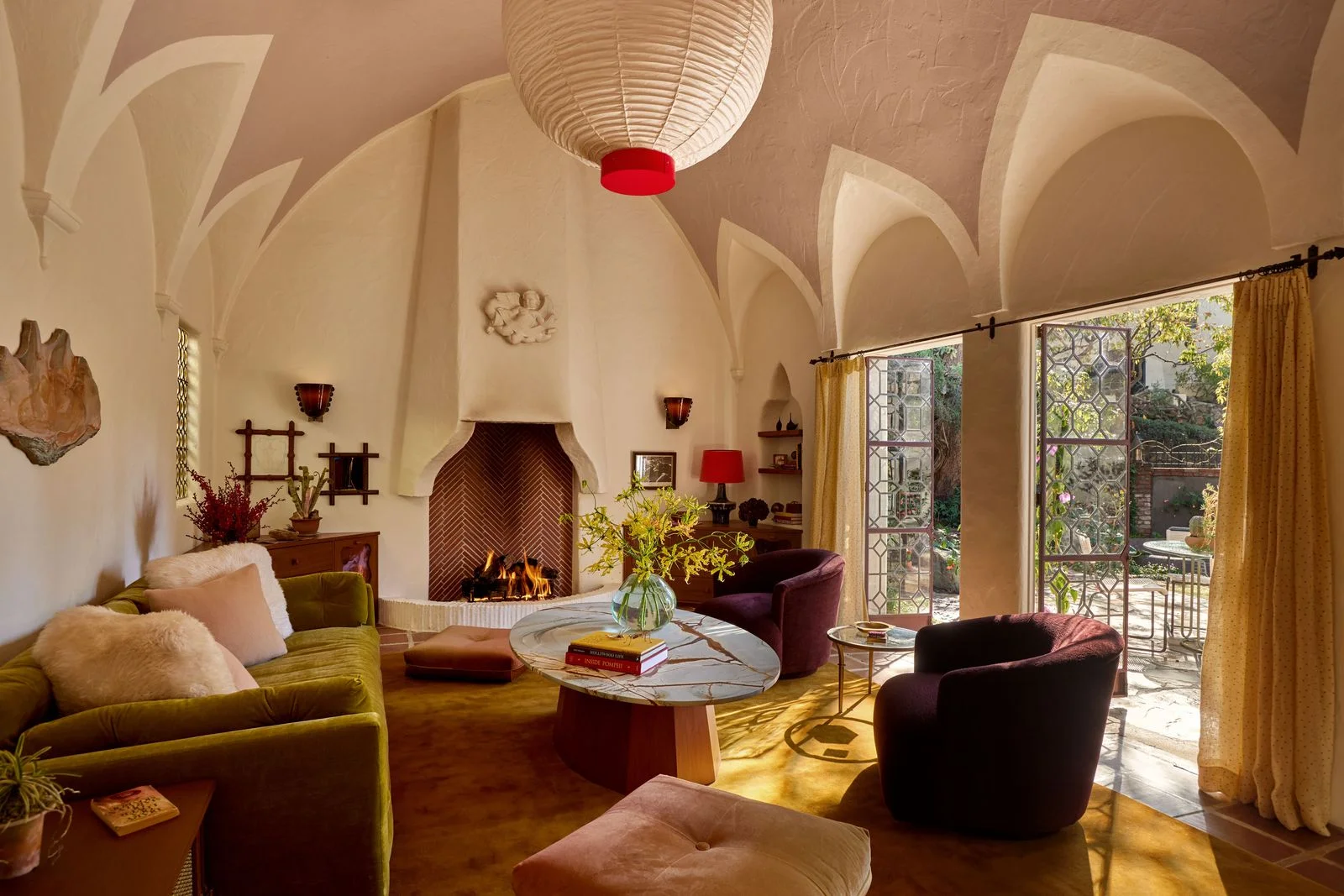
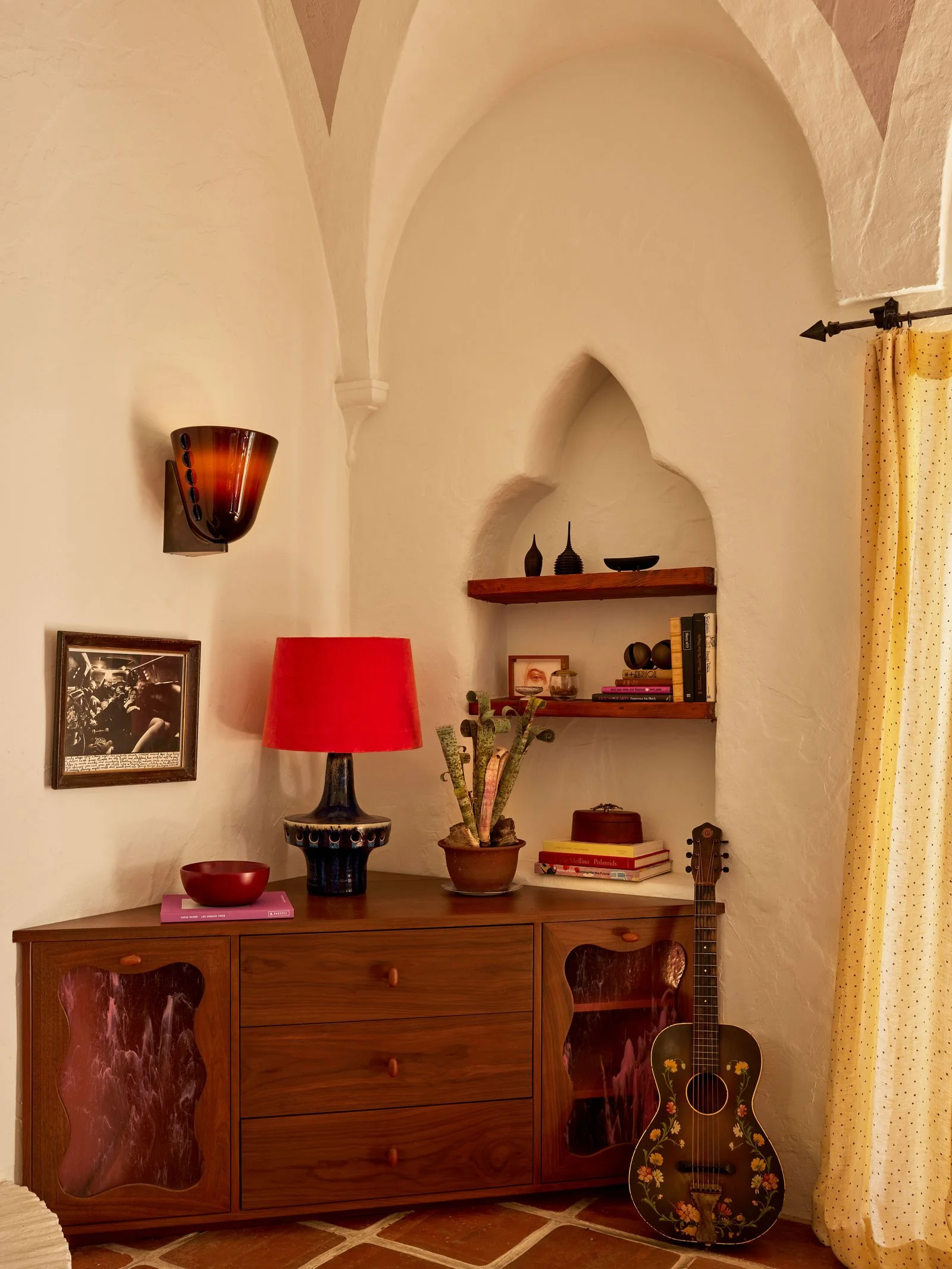
Surreal touches find their way into every room, from the trompe l’oeil clamshell painting by Michael Lombardo, hanging over the sofa, to a checkerboard teakettle fit for the Mad Hatter. But the verdant grounds, which Willis fondly deems “a fantasy shire fairy garden,” are perhaps the most delightfully eccentric. Here, a thriving mass of unconventional plants (supersized, kale-like Gunnera, cup-leaved Ligularia, otherworldly Kashmir cypress, and a mix of native species) is accented with boulders and flagstone and furnished with a Japanese-style bath, an integrated daybed, and a sunken living room, only heightening the appeal of the place. That brick-clad conversation pit gives sitters what Geoponika’s Carlos Morera calls “gnome vision—when submerged you see the garden from the vantage point of a tiny forest creature.”
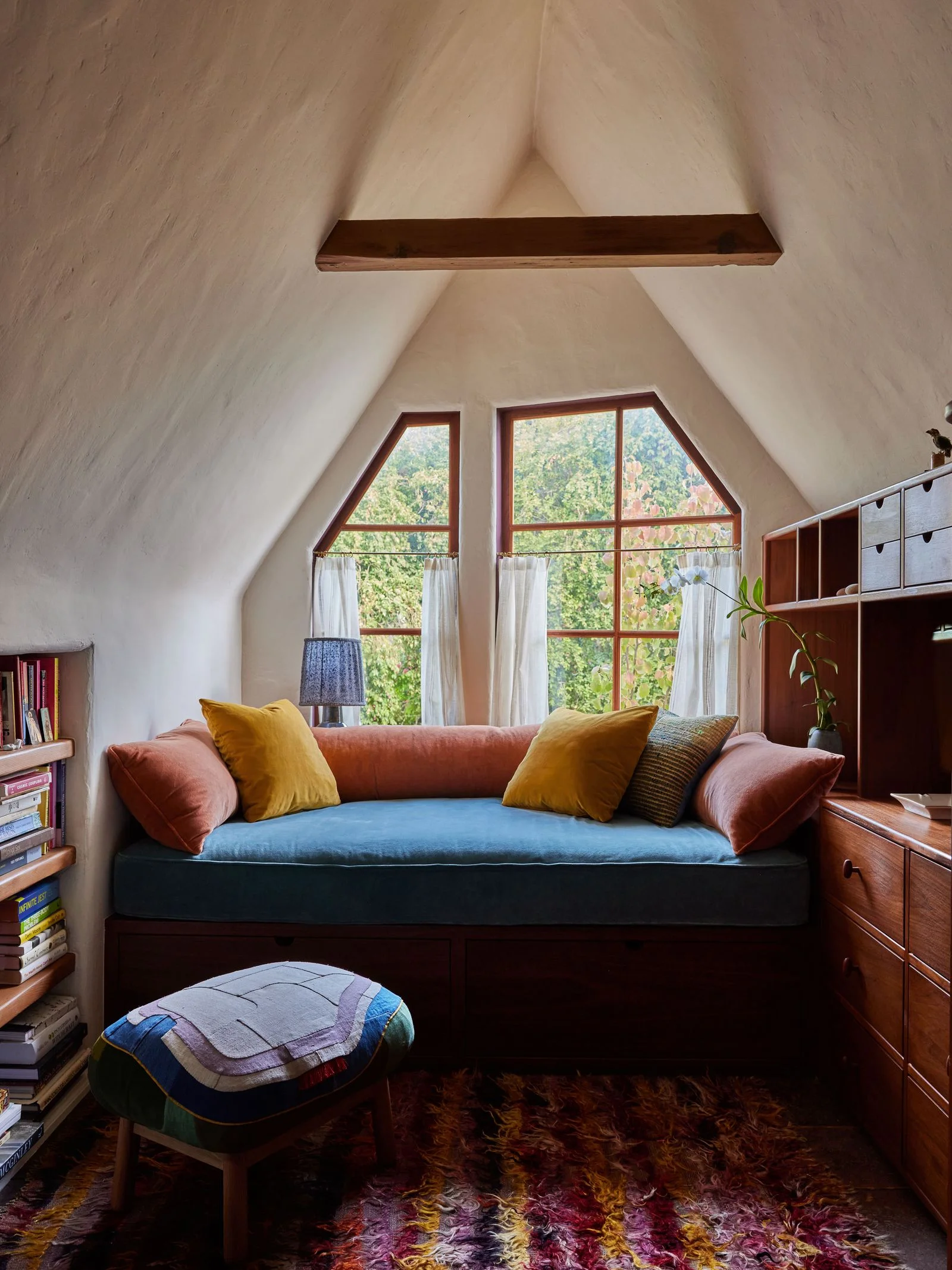
As she settles into the house, Willis has found connections between this piece of architecture, which merges French Normandy details with the groovy feel of a ’60s canyon house, and her own creative process. “What I love so much about LA—and this house—is it’s kind of like a palimpsest, where all these different eras are overlaid. I use my music this way, I use all my work this way. It’s like a spell.”
This story appears in the March issue. Never miss a story when you subscribe to AD.