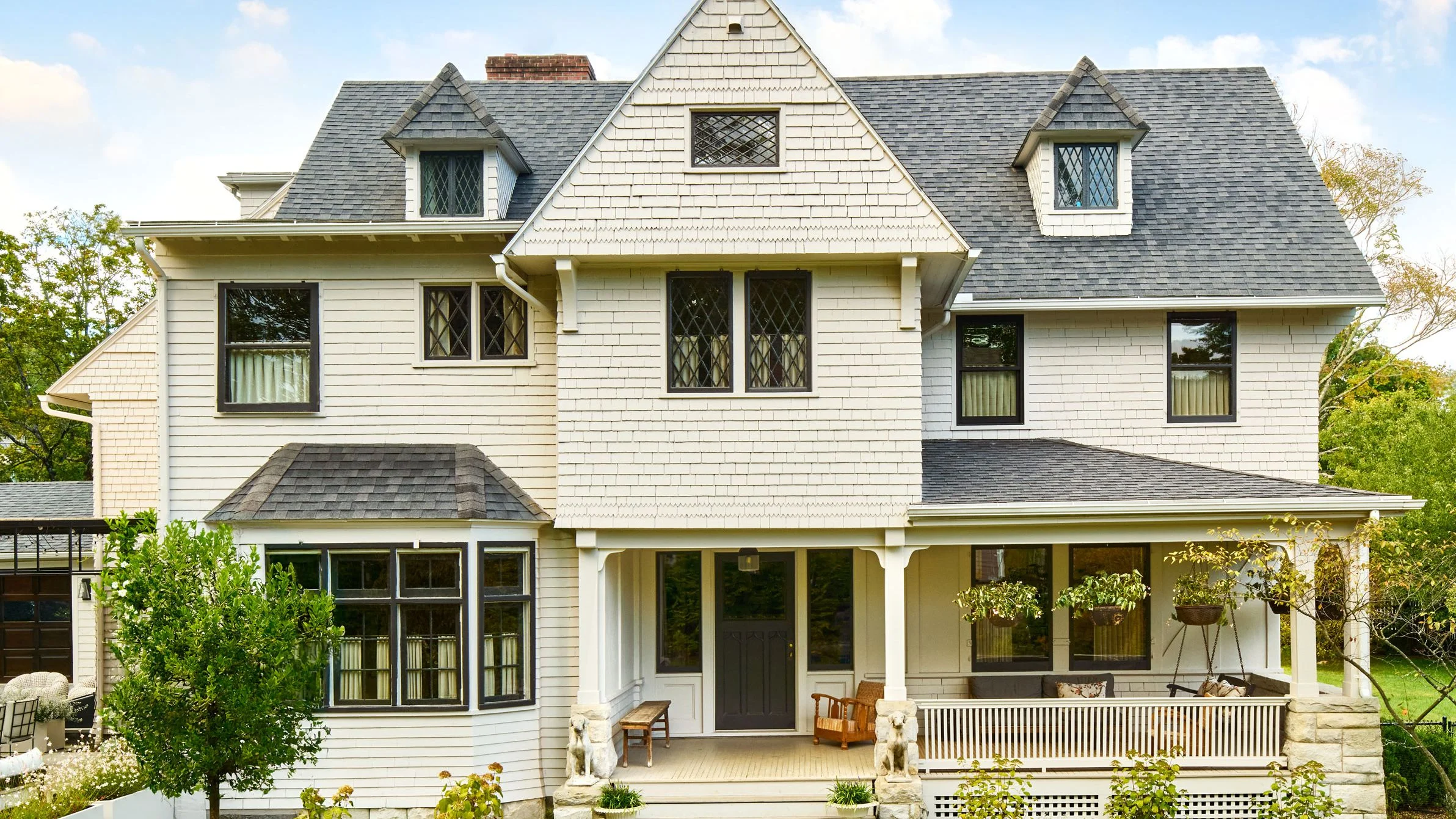
Not every home is willing to play a supporting role. Jess Cooney’s has always demanded top billing. “It’s been a main character in my life—we’ve had a beautiful journey,” says the AD PRO Directory member of her 6,000-square-foot house in Great Barrington, Massachusetts. “And it also drives me insane.”
More than two decades ago, Cooney returned home from Colorado to the Berkshires with her husband, Joe, and a new daughter in tow. They moved into a carriage house that once belonged to the Shingle-style Victorian next door and quickly befriended its owner, Norma, then in her 90s, who had lived in the main house since the 1950s. “My daughter would have tea parties with her,” Cooney reminisces. “We just got to be good friends and were looking out for her.”

Norma, a stalwart in the neighborhood, would often tell Cooney, “When I die, you’re going to be the one to take care of this house for me.”
It would be a daunting task. Built in the 1870s by inventor William Stanley for his mother and sister, the nine-bedroom home, which remained mostly untouched for over a century, was the kind of house at risk of being turned into apartments. There were incredible features worth saving: a mahogany-paneled music room, five fireplaces, and a sequence of beautiful sitting rooms.
But the attic leaked, ceilings bowed, and wallpapered walls showed stains from generations of cigarette smoke. Still, it had star quality.

Eventually, Norma entered a nursing home with dementia. With no next of kin to advocate for it, the house was listed at a price that did not account for the work it required (replacing the knob-and-tube wiring, for starters). Cooney and her husband couldn’t get the numbers to make sense. But she thought about the house constantly. She even left a window ajar so she could slip inside and wander its empty halls.
For three years she watched potential buyers come and go. At one point, she heard the house had sold—only to learn the deal unraveled at the eleventh hour, when the buyer’s daughter refused to change schools. But with two more children and little patience left for the emotional limbo, she decided to let it go. “I’m going to release the house,” she told herself.
Two days later, the bank called. The home was in foreclosure. Would they be open to a deal? “We got it for a third of the asking price,” she says.
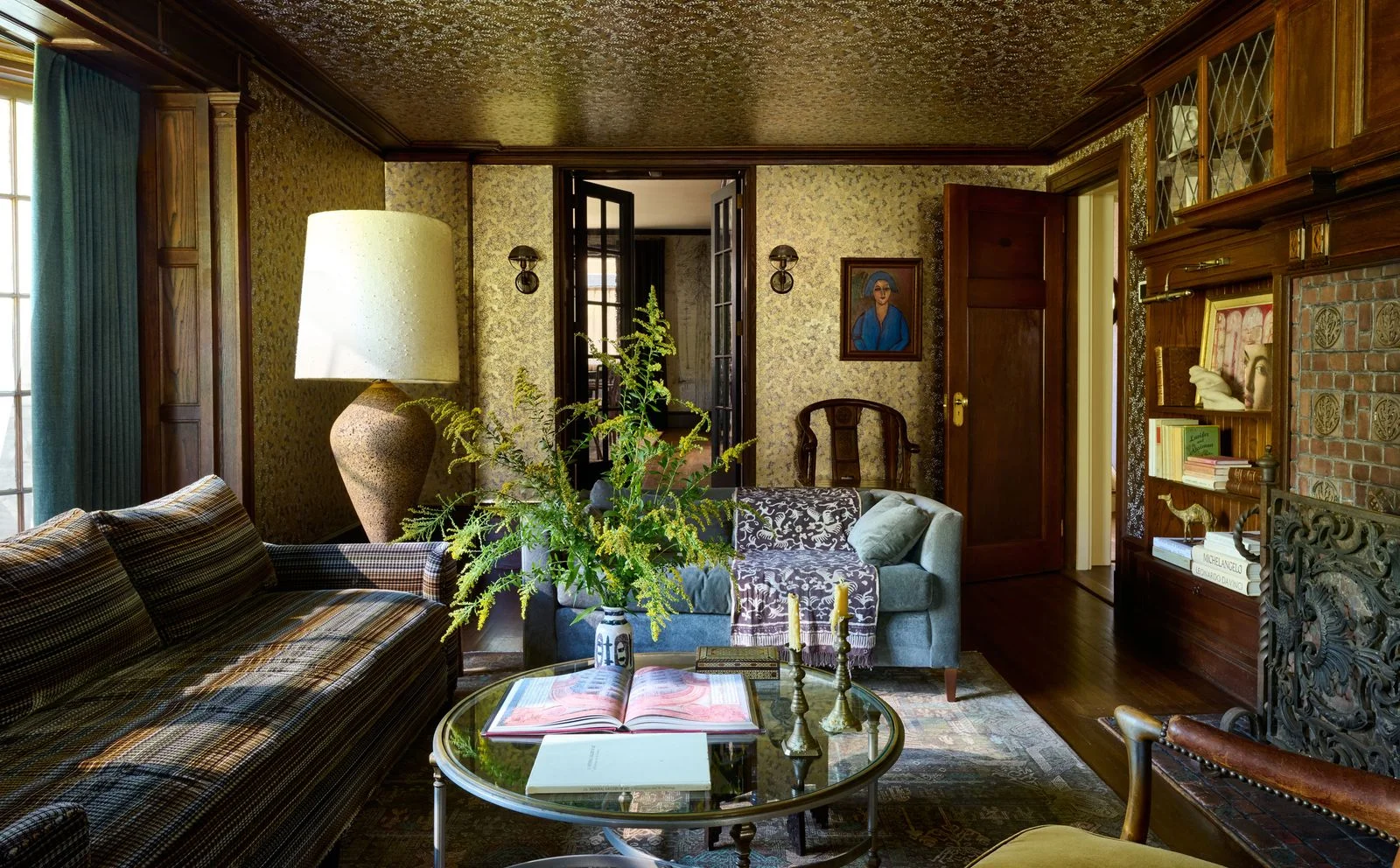
Cooney bought the home and began a long, two-phase renovation. The first stage prioritized necessities without getting precious. After it was finished, the house didn’t reflect her master plan, but at least there was now a good kitchen and refreshed water lines. Her kids could ride fearlessly through the halls on training wheels, and guests could dance heartily at parties. Over a decade later, with her children in high school and a larger budget at her disposal, the designer entered what she calls her “elegant adult dinner party era,” and the house’s second-wave reno began.
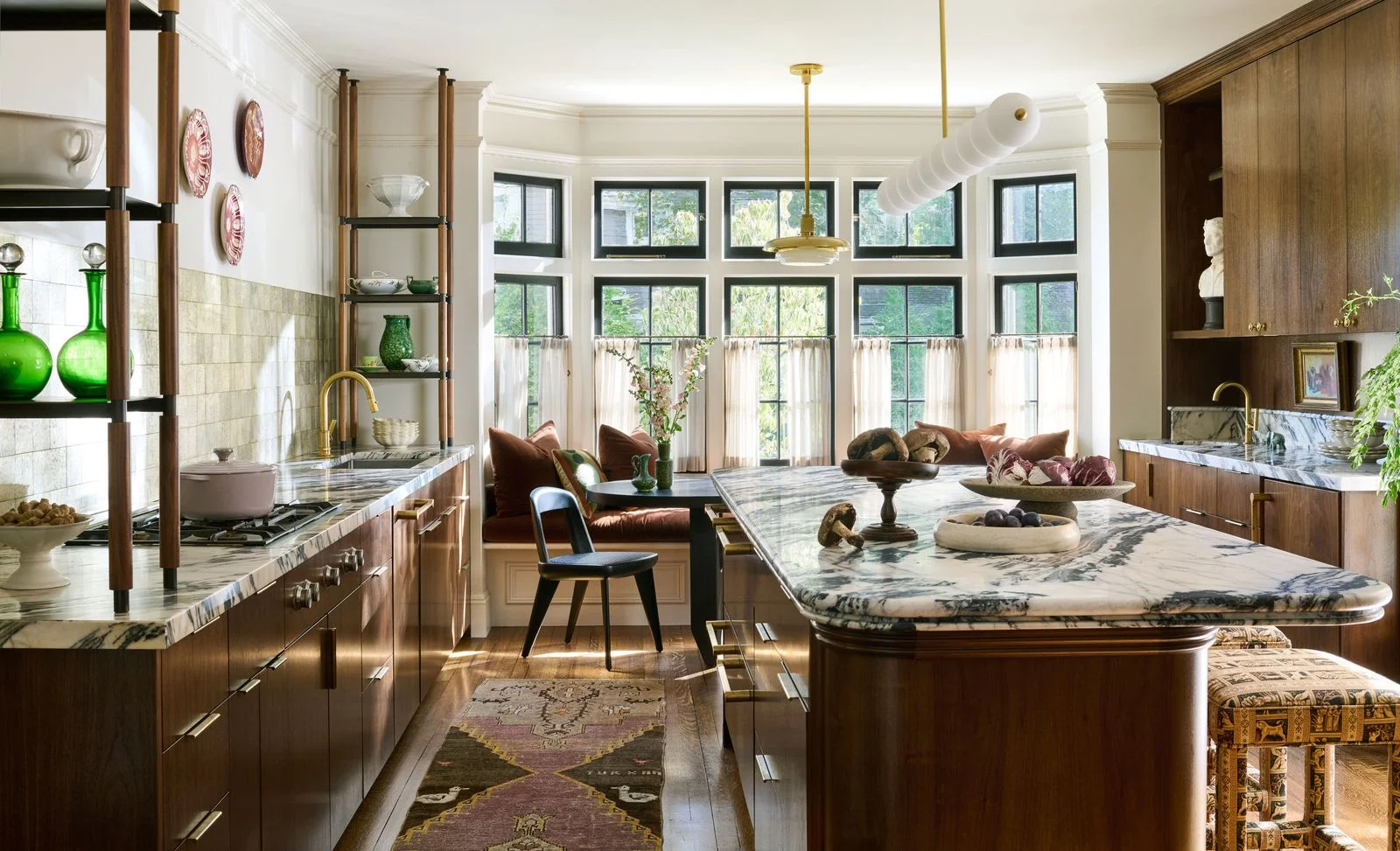
Professionally, Cooney has a reputation for reviving historic homes—but she’s practical about it, calling herself a “marriage counselor” between a house and its family, capturing what each one wants. In the case of her own house, her boldest maneuver was relocating the kitchen to the part of the house with better light. The move allowed her to reintroduce the home’s original moldings into the palette while pairing them with modern walnut cabinetry, a window banquette with a breakfast table, and a highly functional layout with fully concealed appliances. “I’m not trying to pretend the kitchen existed in that space originally,” she says. It’s about maintaining the spirit of the house, if not the footprint.
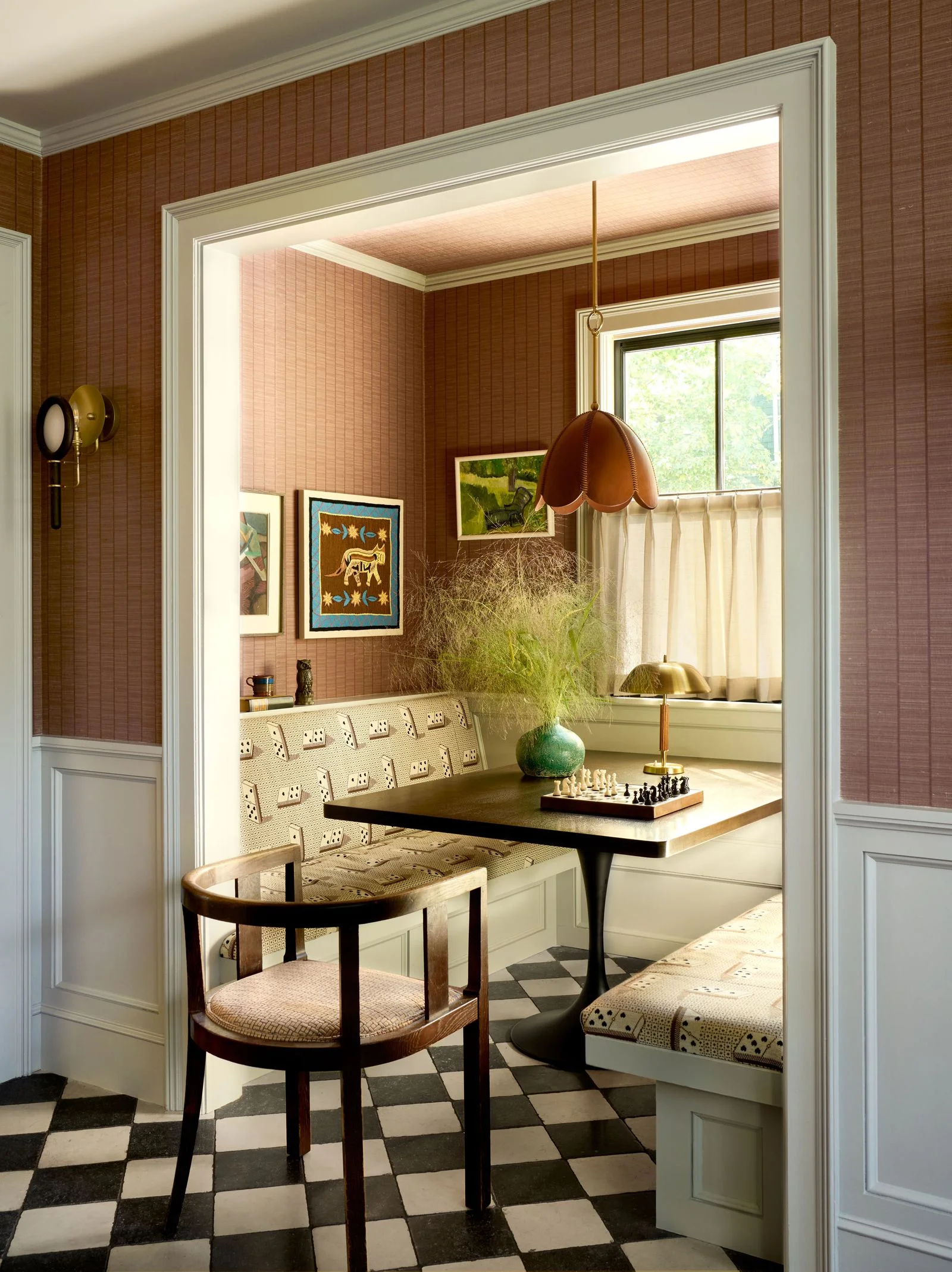
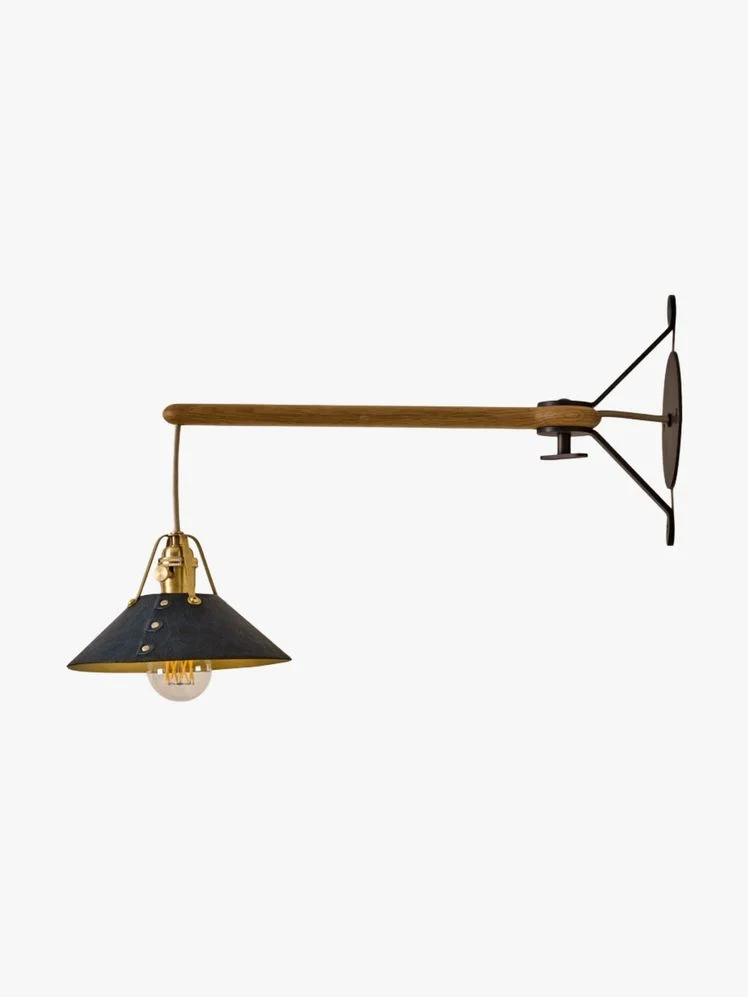
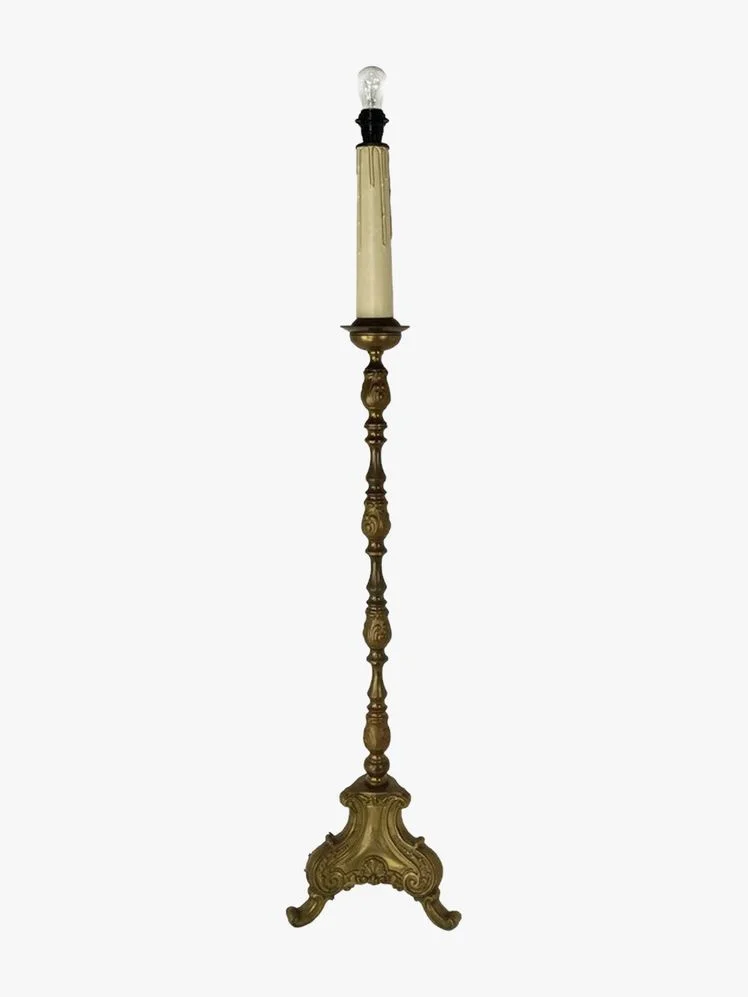
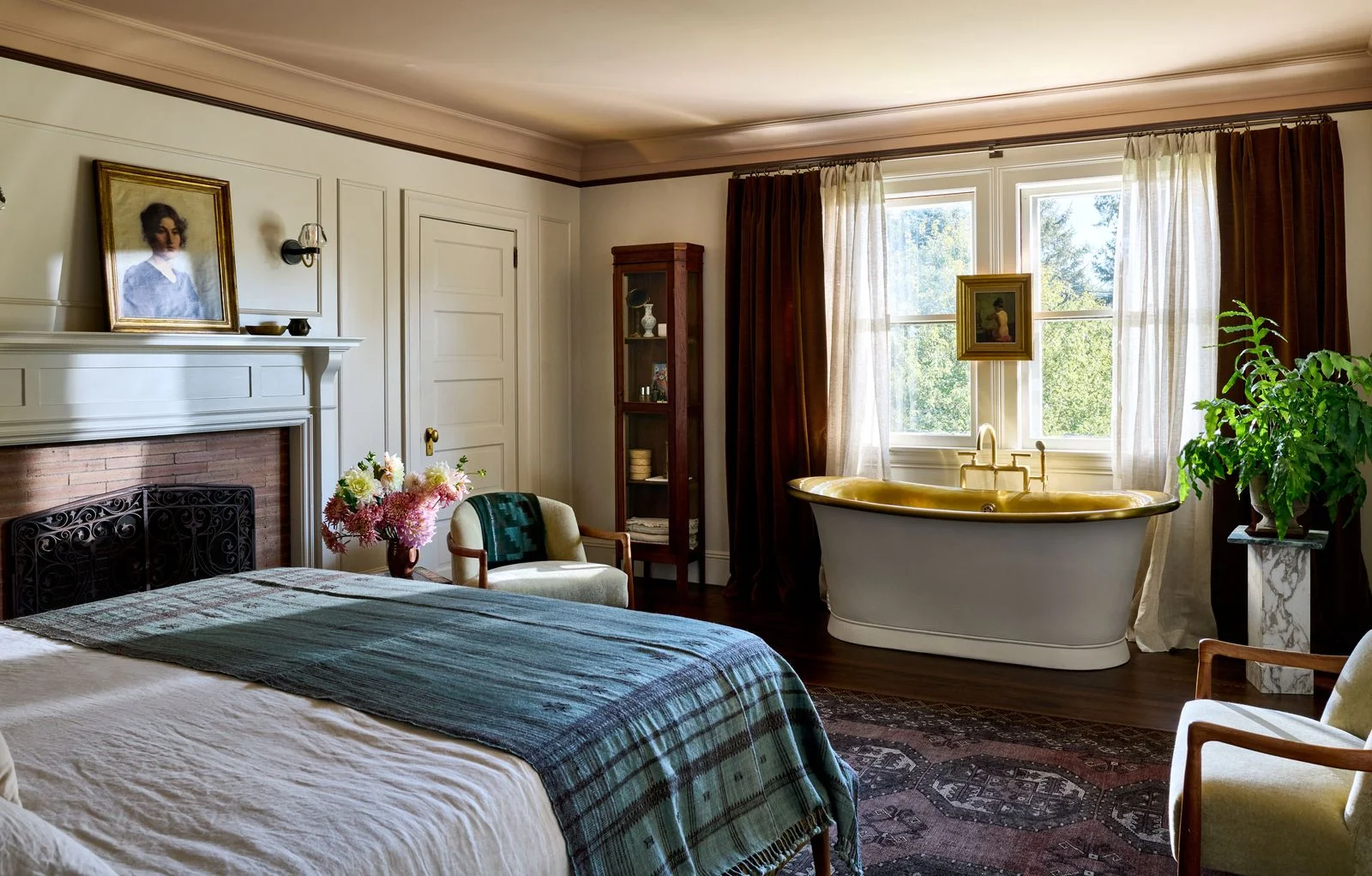
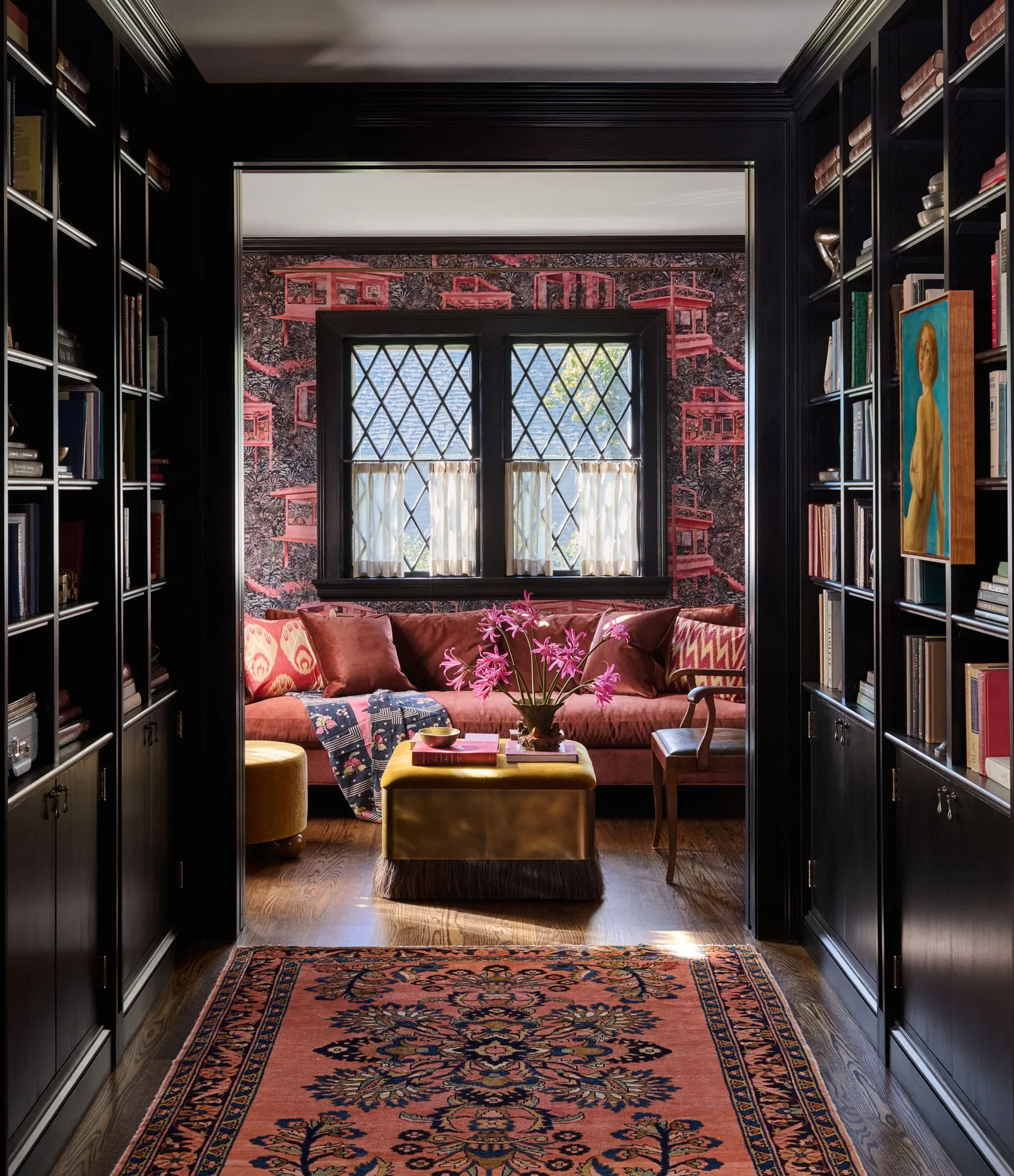
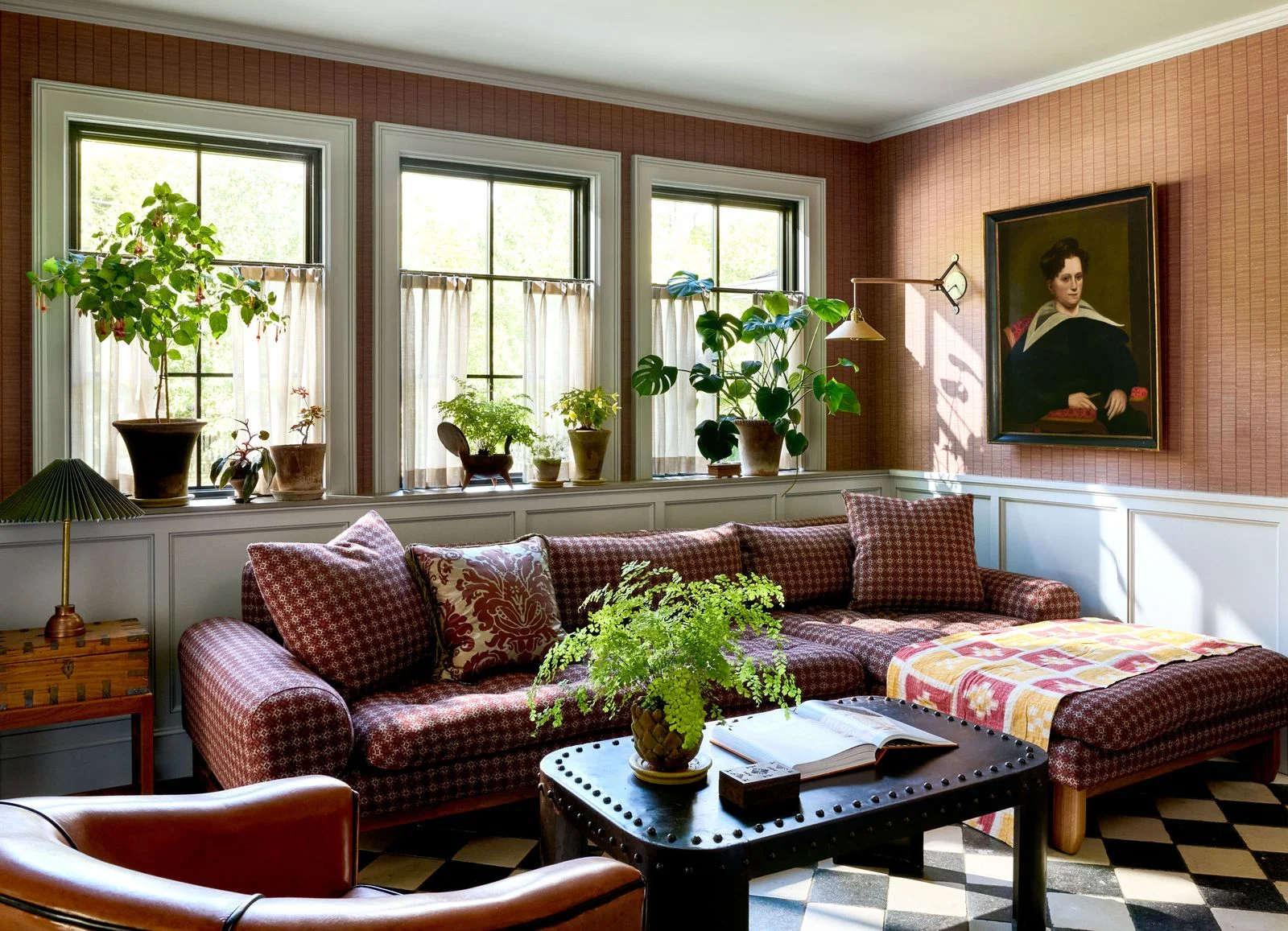
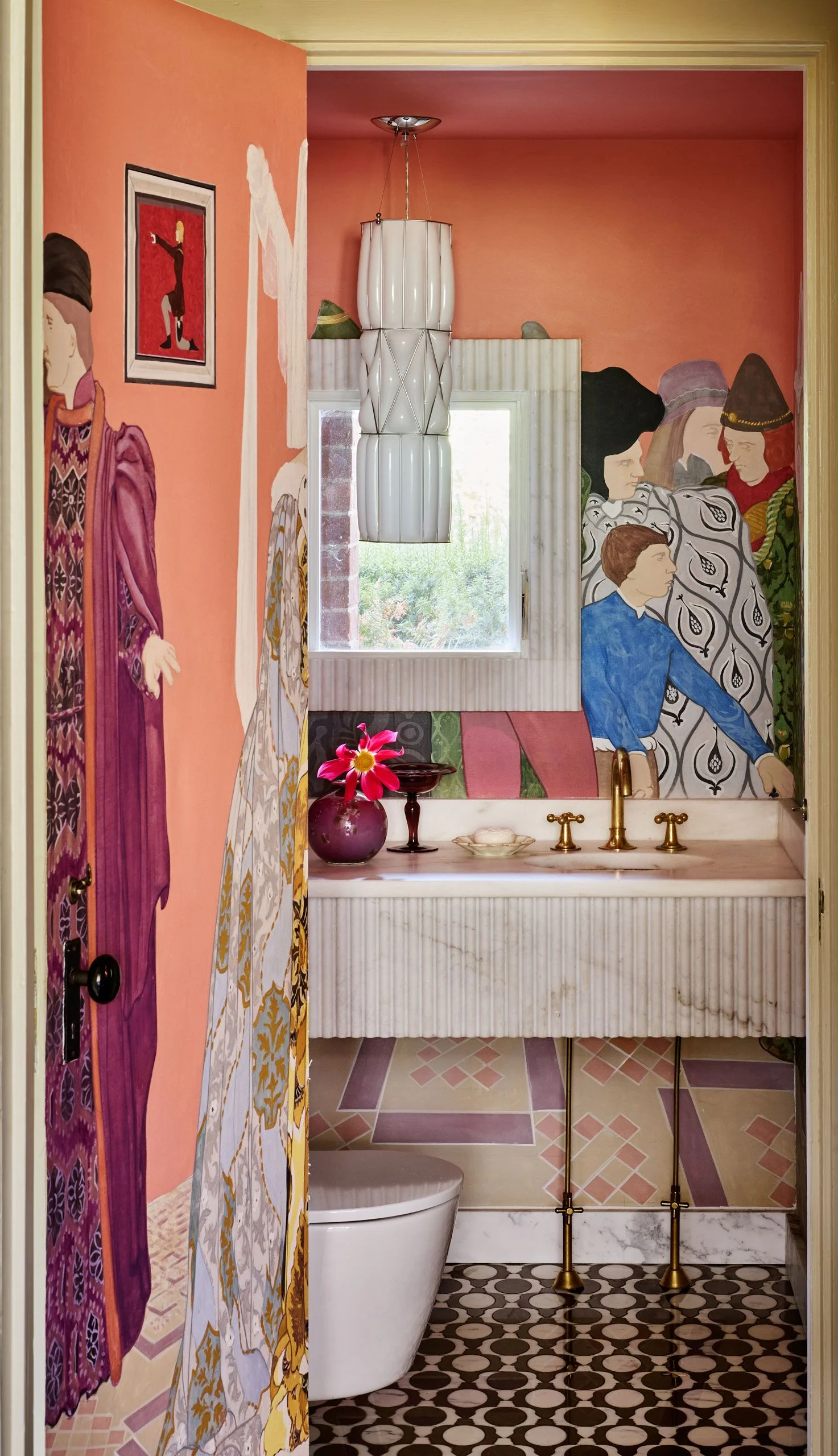
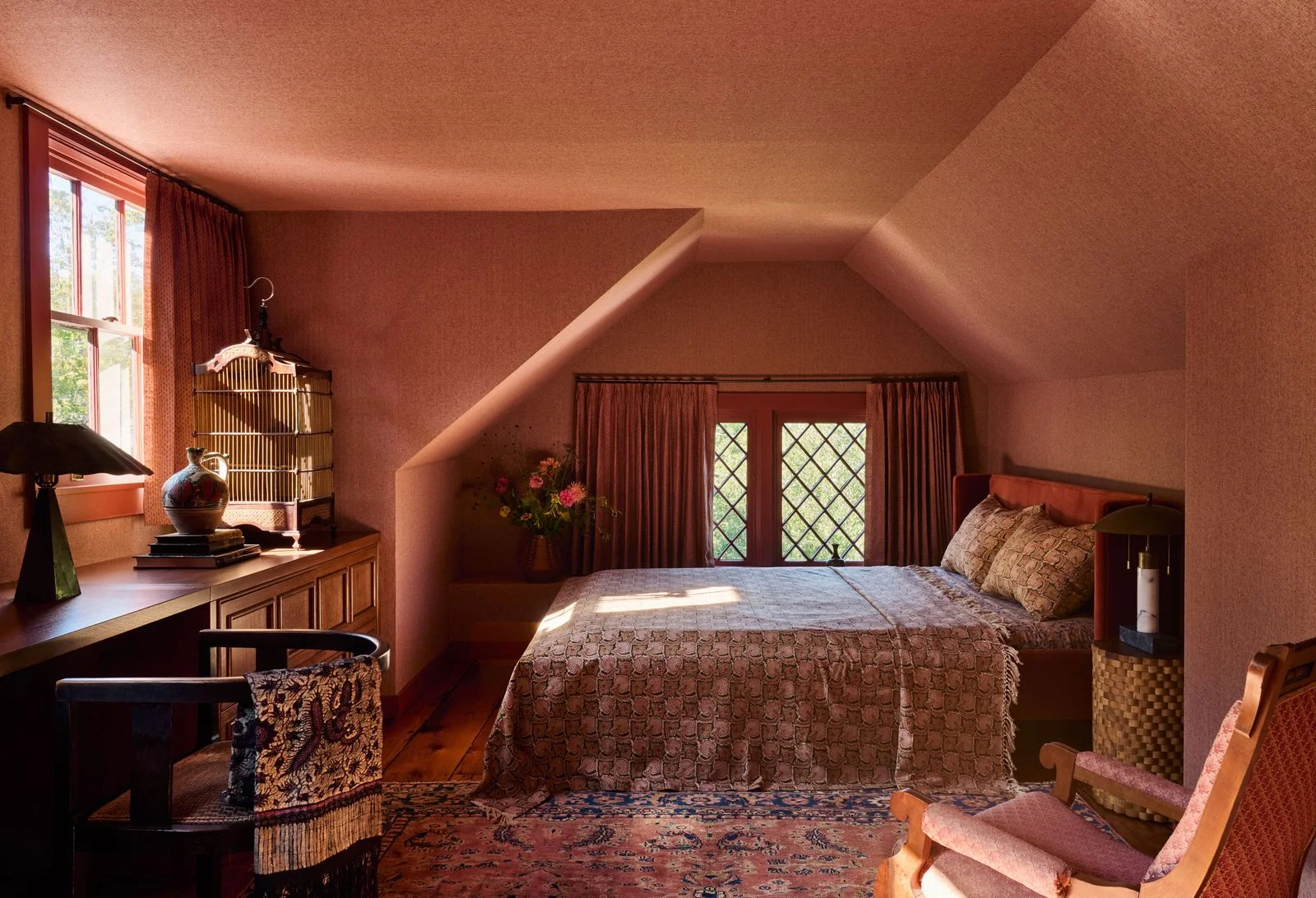
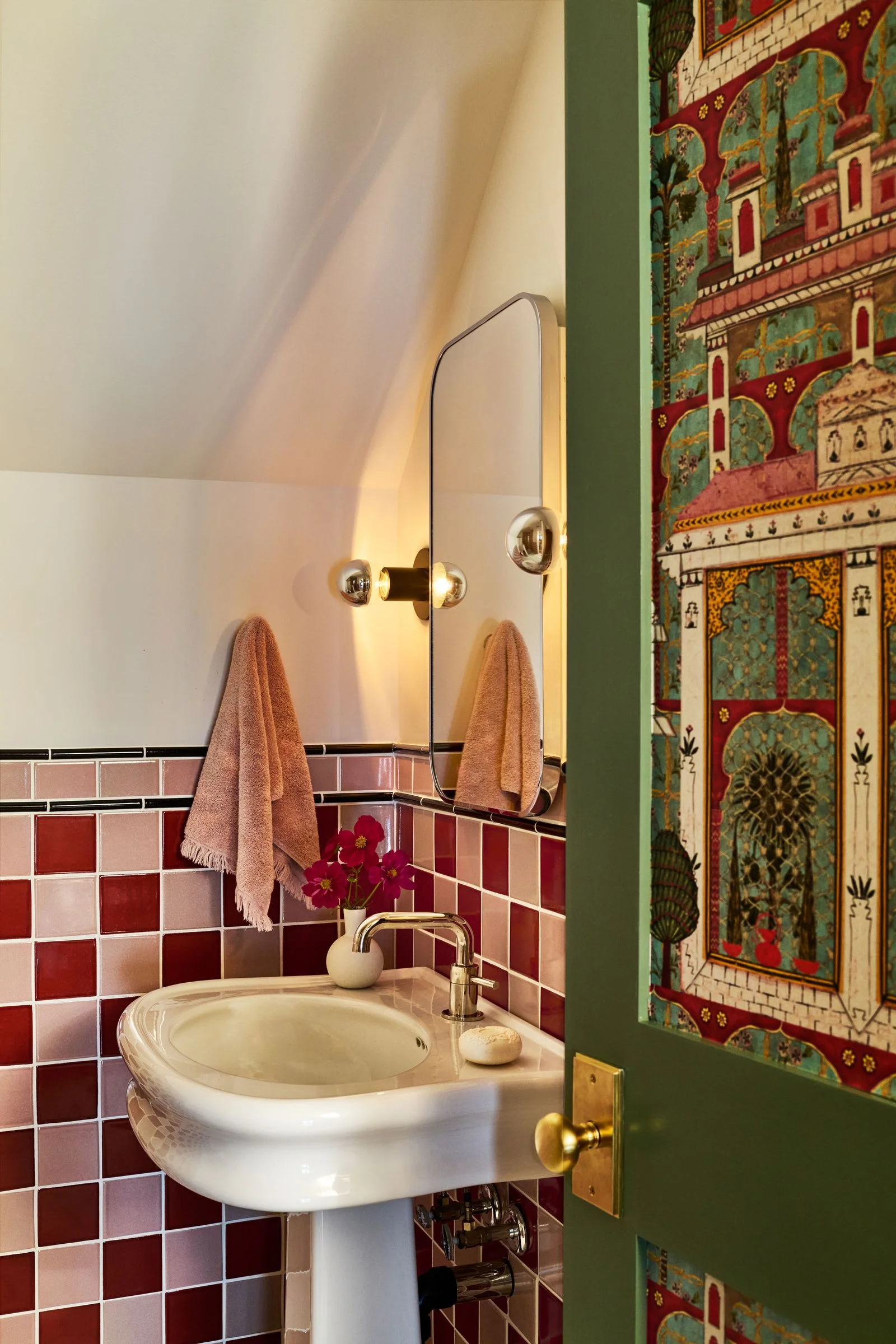
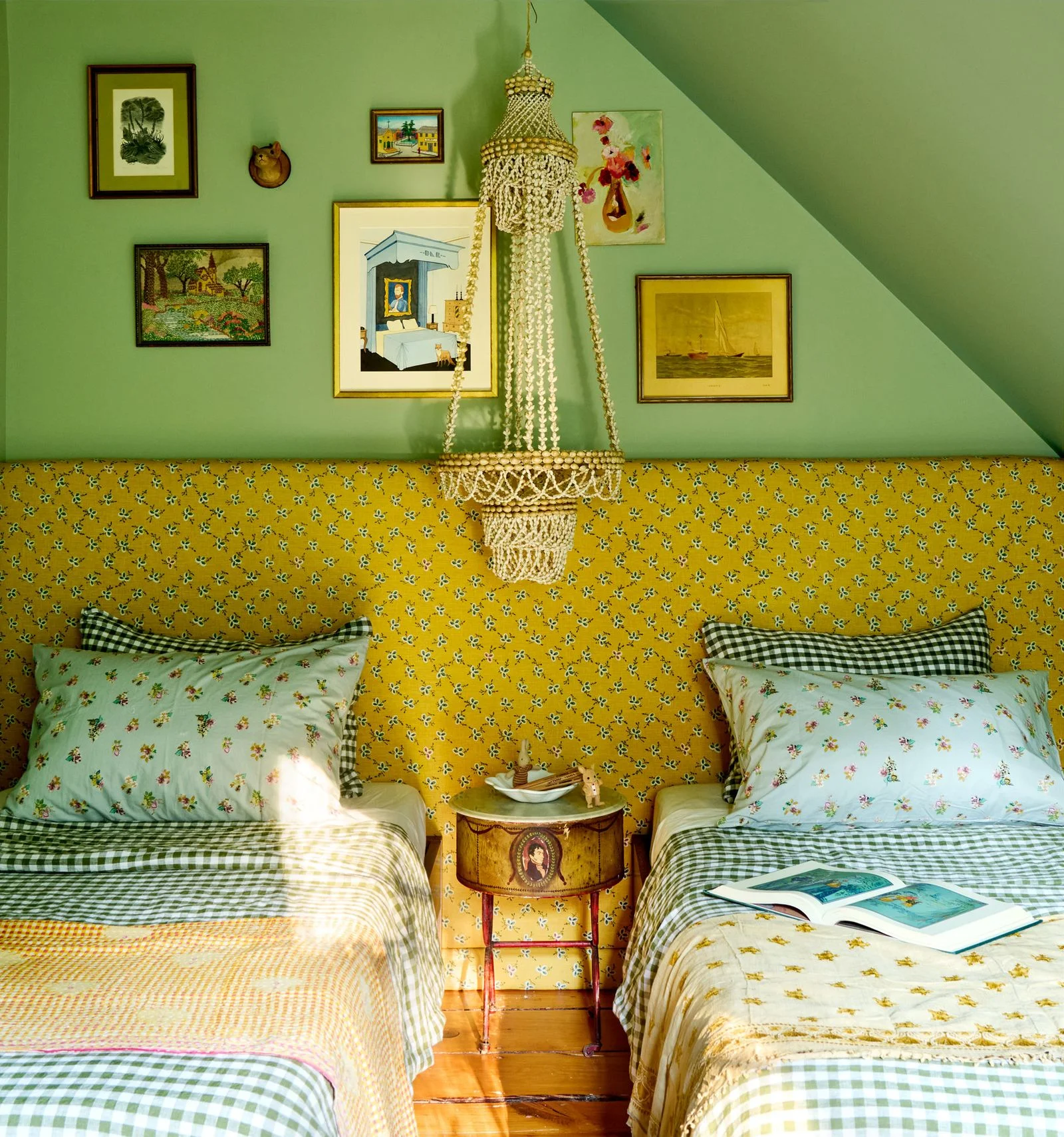
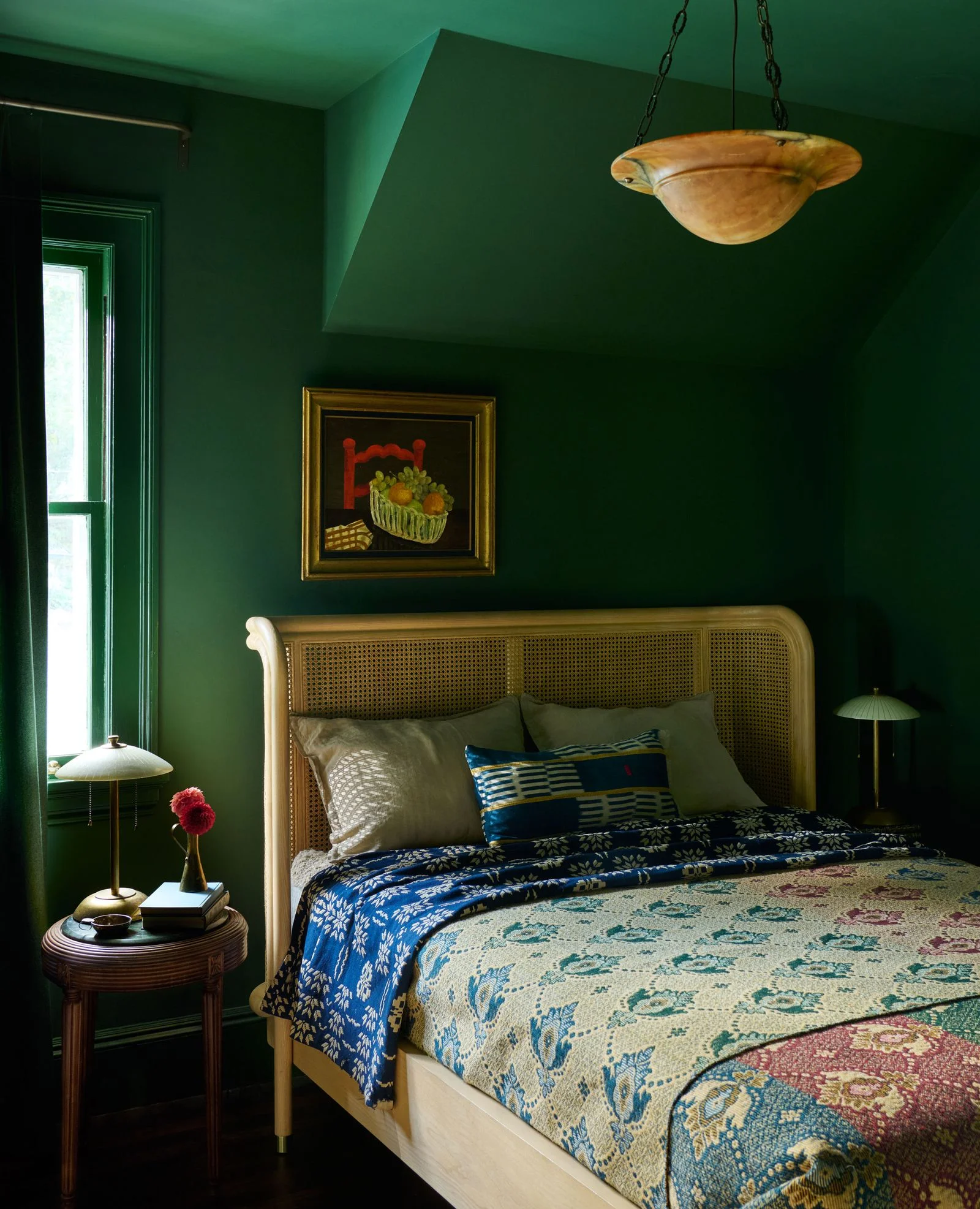
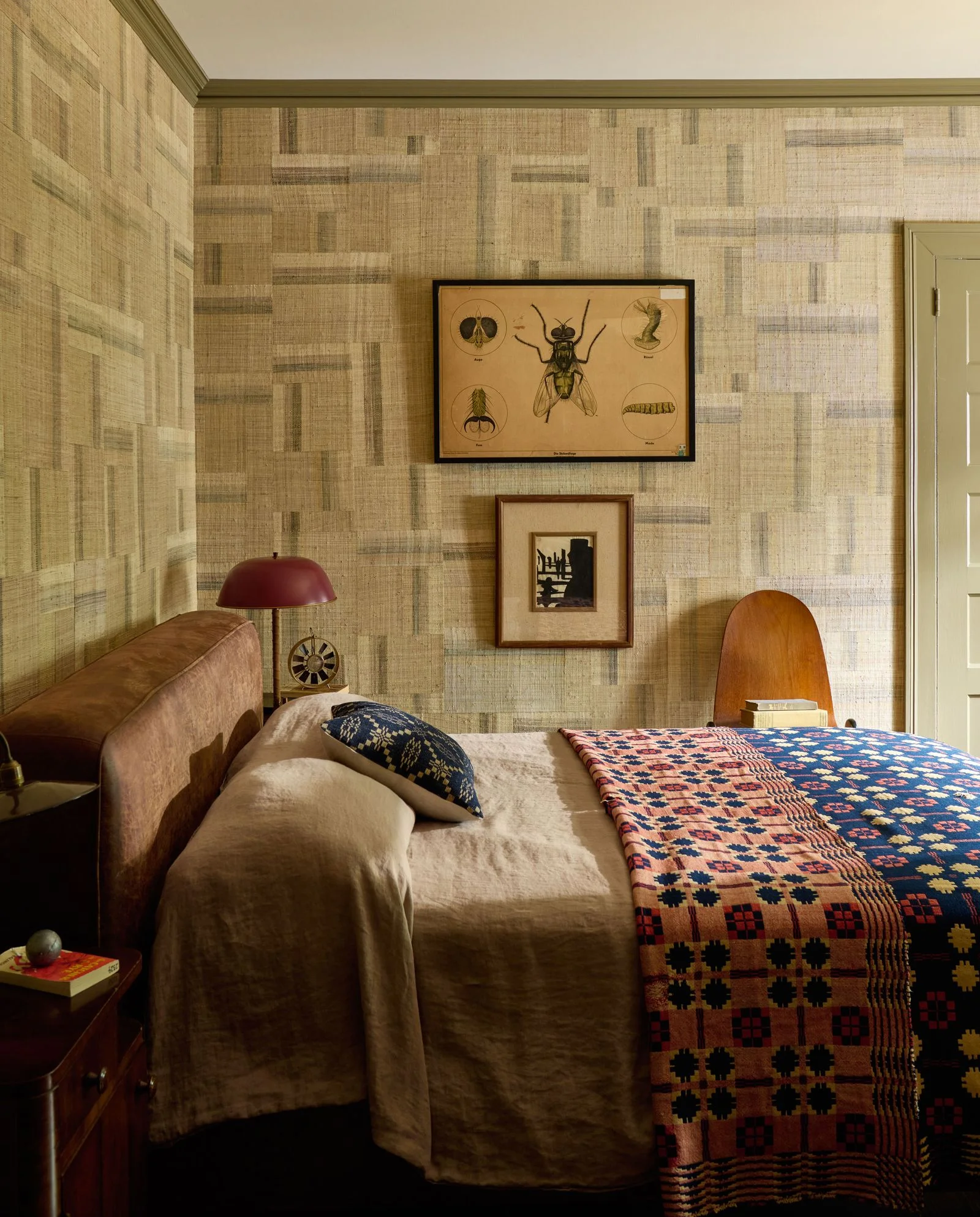
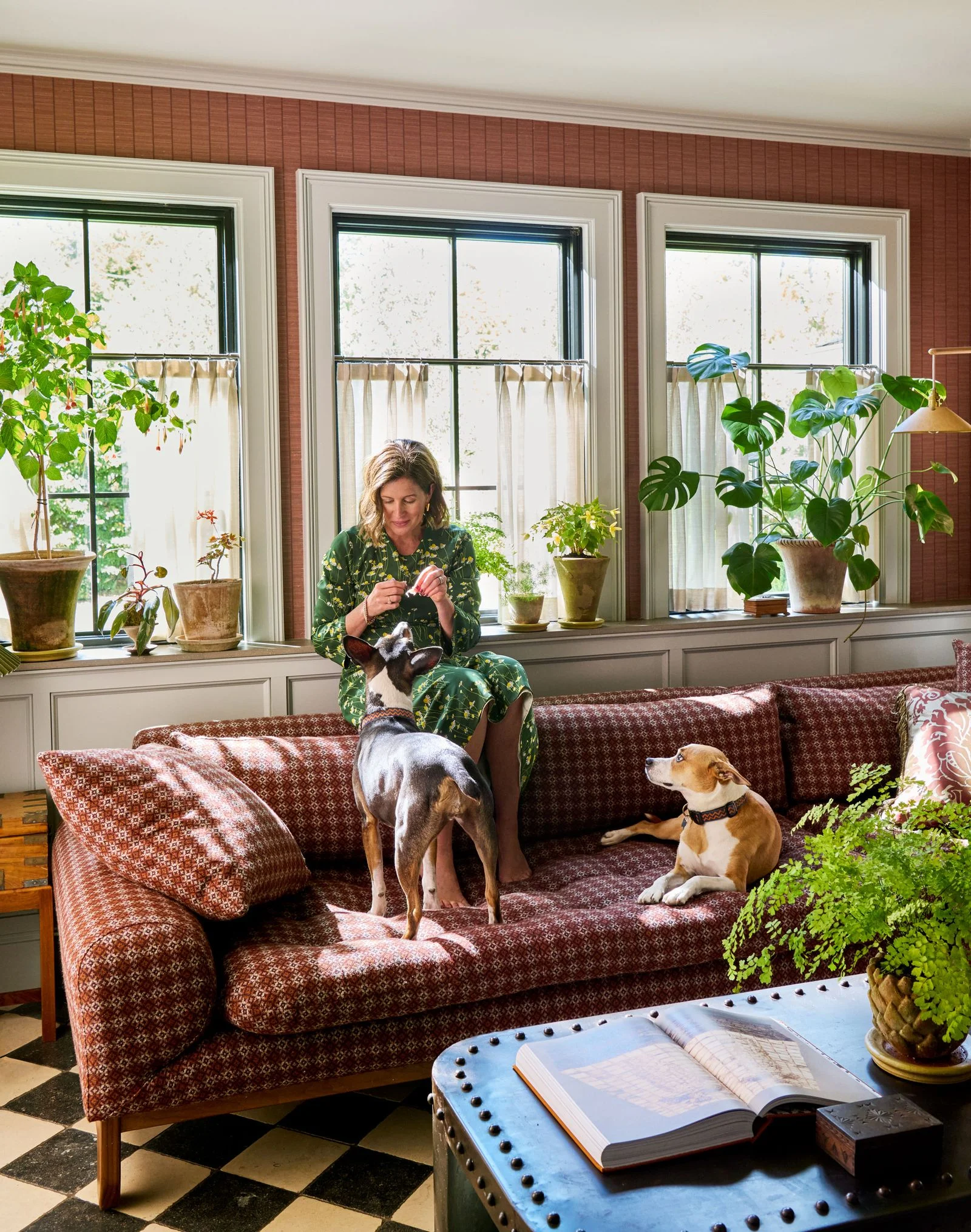
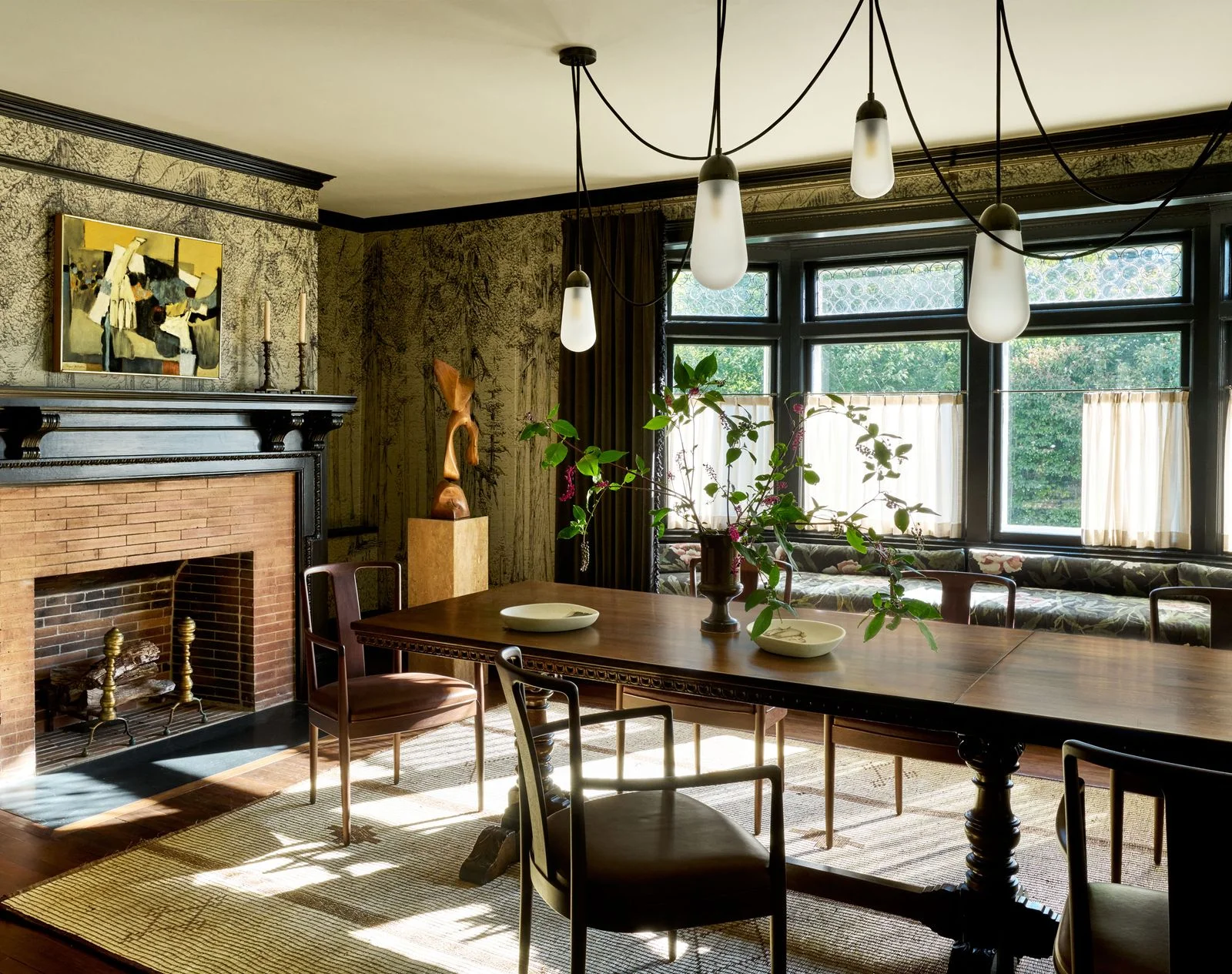
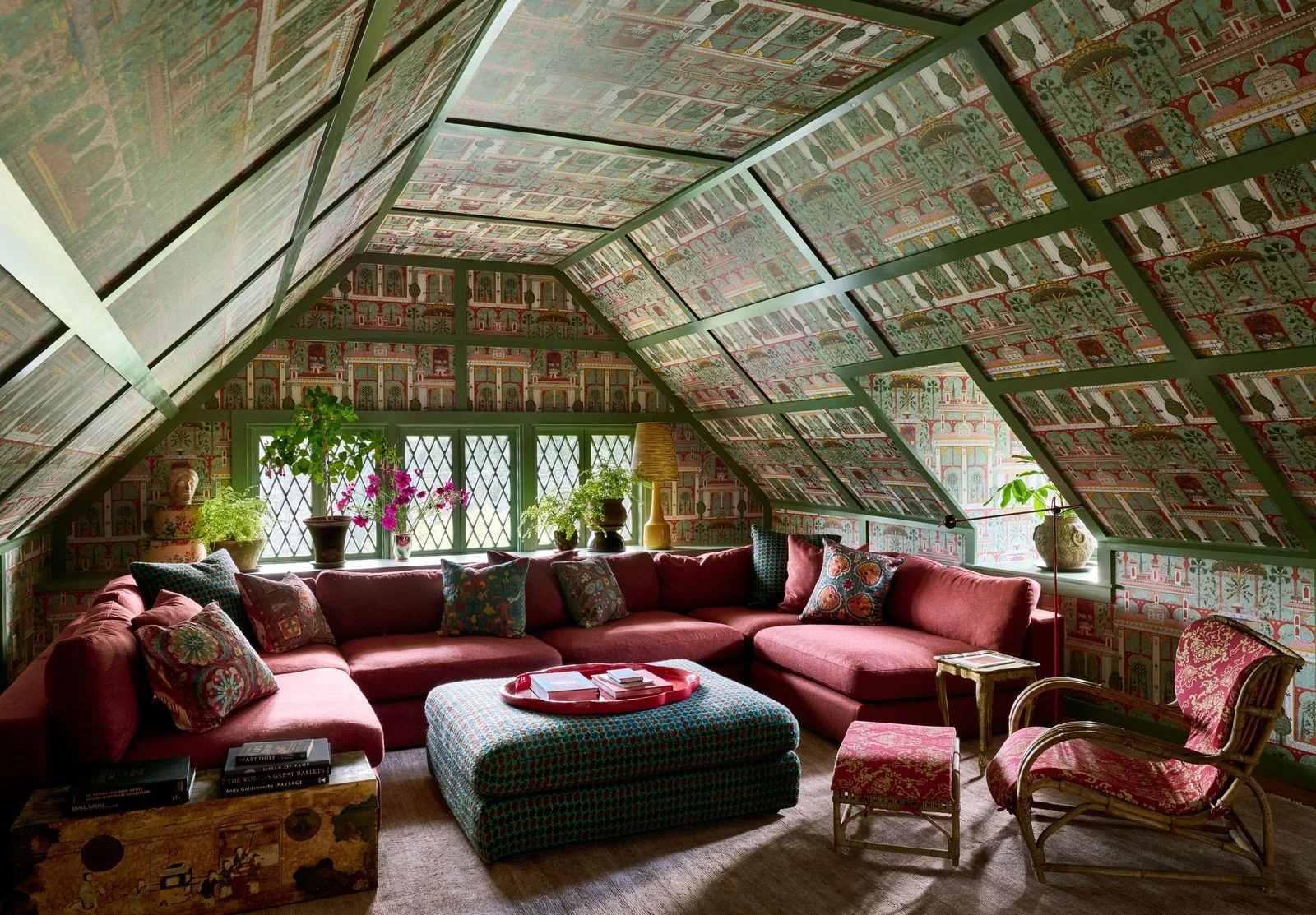
Across the house, Cooney allows each space to evolve, without losing sight of what made it special to begin with. The former kitchen became a cozy den; the walk-in pantry was replaced with a games table. The mahogany music room stays true with a grand piano, now covered wall-to-wall in shimmering gold wallpaper that glows at night. Cooney reduced the bedroom count from nine to a sensible six, and combined two in order to create a larger primary suite. Now the leaky attic, once dominated by white sheetrock, is something of a magical escape. The whimsical wallpapers reminded her of the house in The Royal Tenenbaums, a source of inspiration for the layered interiors.
The house comes most alive when it’s filled with people. Cooney is the matriarch who brings the family together. A recent birthday party welcomed nearly 200 guests; Thanksgiving alone saw over 30. “I’m not a martyr,” she jokes. “I do not cook; I just host.” But she believes the house craves a crowd. “You can feel that it’s happy when there are a lot of people here,” she says.
More than just the invited guests attend, she adds: There are ghosts. “I had someone come in, and she ushered a few of them out,” says Cooney of the spirited Victorian’s haunts. But one presence is always welcome. “I feel Norma here all the time,” she says—a sentiment that feels less like a haunting and more like a reminder that the house has held many lives before hers, and is more than content to hold a few more.