
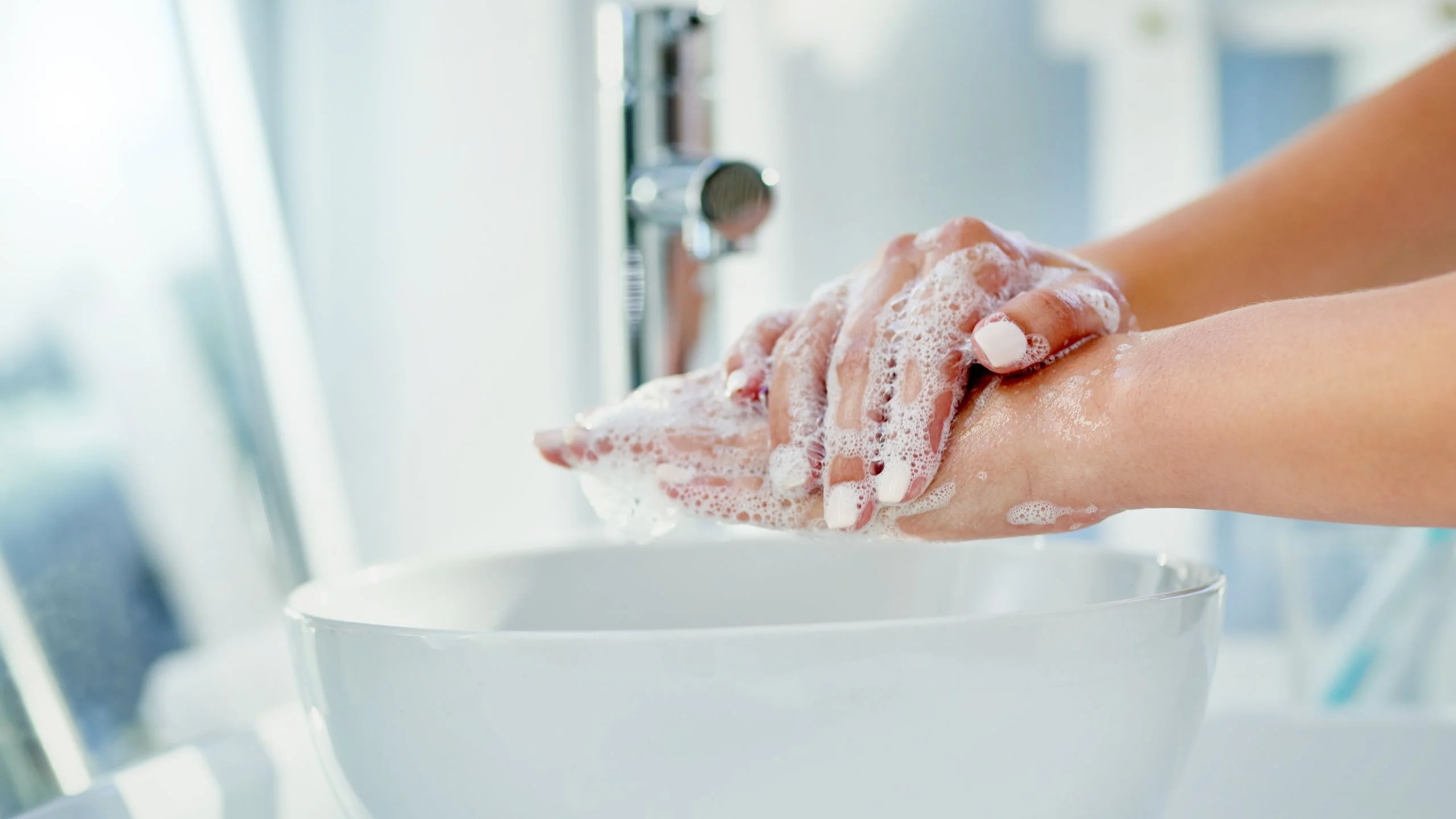
Spring may be on the horizon, but with a second flu wave, this winter is just not easing up. “After a recent dip in cases, we’re seeing an uptick in flu activity right now,” says Michael Glazier, MD, Chief Medical Officer and pediatrician with Bluebird Kids Health. But there are steps you can take to minimize the chance of catching or spreading the flu in your home. And these design tweaks will serve you well after spring finally arrives, too. “The interventions which help minimize the risk of the spread of infectious diseases such as the flu are very similar to minimizing the potential negative effects of allergens,” says Dr. Glazier.
We’ll leave medical advice about how to identify and treat flu to wellness sites, but we are here to spell out a few simple steps you can take, from a home design perspective, to reduce the chances that flu will knock you down and out. Even if you already received a flu vaccine, taking additional steps on your turf is one way to take a stand against the virus, and curb the spread—especially if your household has kids who bring home unwelcome germs from school.
See our tips for seven ways to flu-proof your house when you need it the most.
Create a welcoming hand washing station

“The first, and perhaps most impactful [thing you can do] is designing a space at the entrance to a house which promotes good hygiene behavior,” says Dr. Glazier. In other words, if you have a sink near the entrance of your home, that’s ideal, as, says Dr. Glazier, “handwashing when entering the home is a very effective deterrent to spreading illness, but often a difficult habit to instill.” And don’t forget your Covid basics! Recite the ABC's while washing (silently or aloud). Once you've hit the letter Z, about 20 seconds, you’ve washed your hands long enough to eliminate any lurking germs.
Consider a faucet upgrade
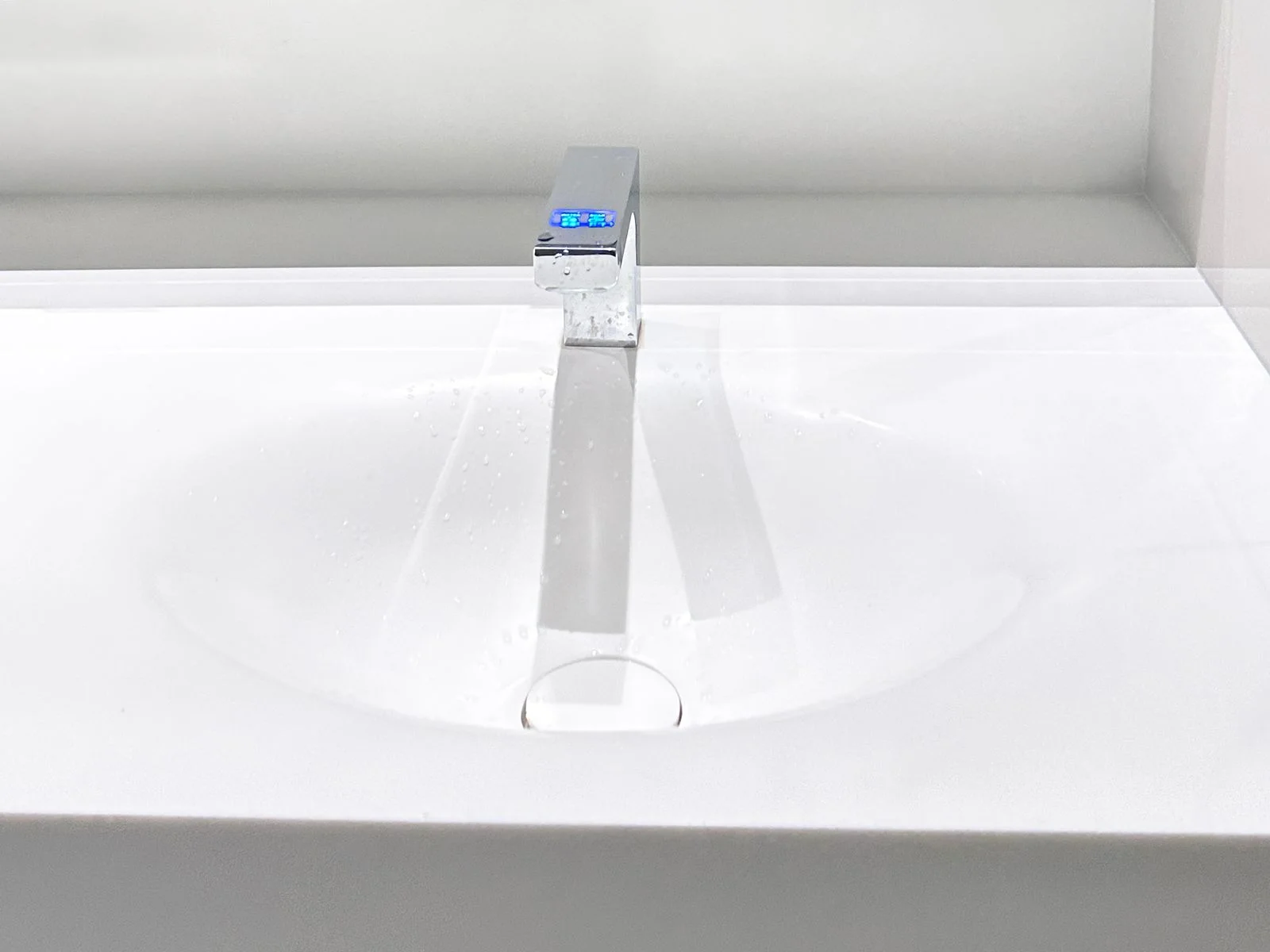
Speaking of handwashing, if you happen to be redoing your bathroom, kitchen, mudroom, or laundry area, consider contactless faucets, which are triggered by motion rather than touch. “These also help contain both germs and allergens,” says Dr. Glazier.
Invest in an air purifier with a HEPA filter
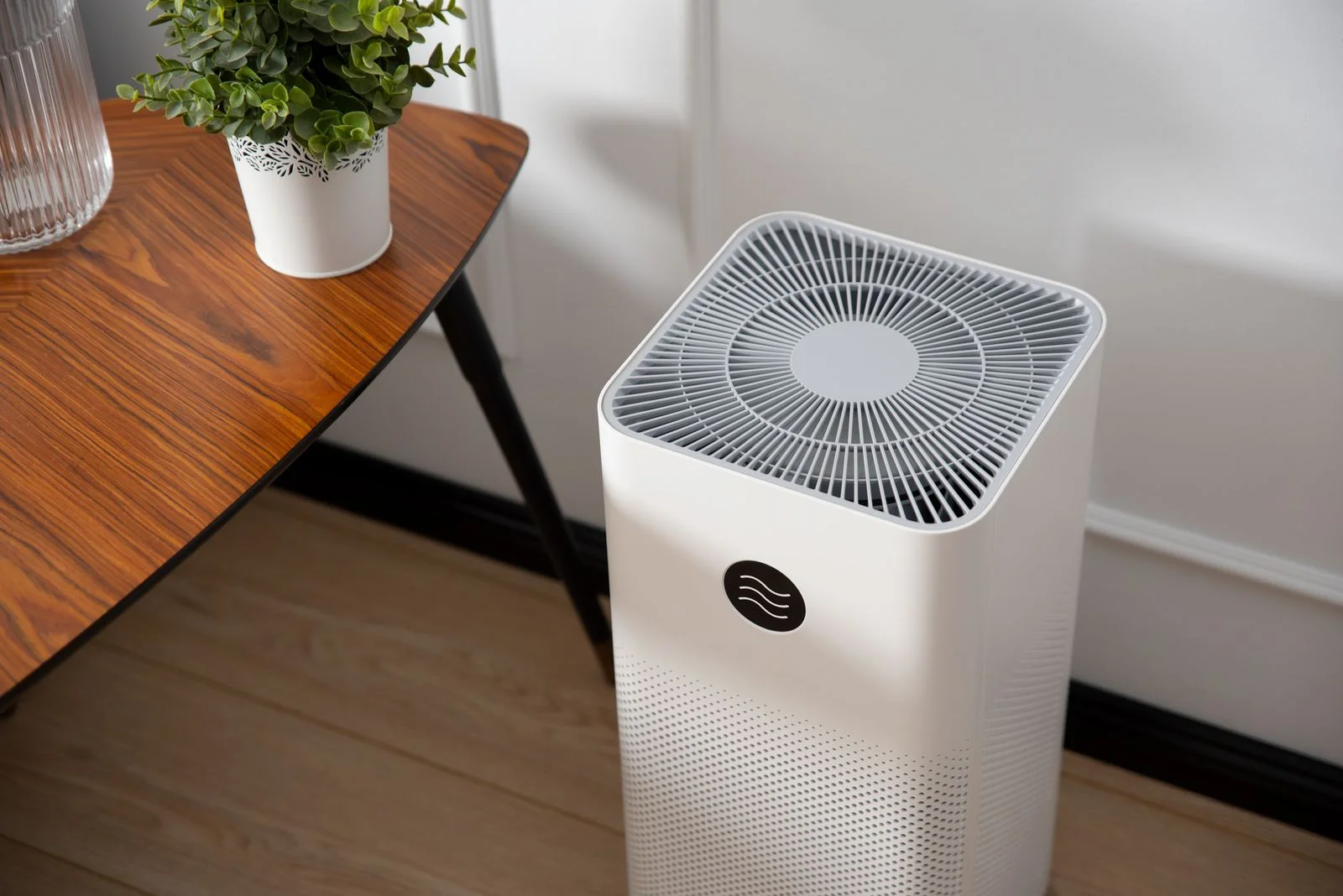
If you have an HVAC system, call your service provider for a routine cleaning, as properly maintained HVAC systems can help reduce airborne transmission of infections. “HVAC systems can be cost prohibitive in terms of implementation, but they also play an important role,” says Dr. Glazier. “Specifically, systems with high efficiency filtration help limit the spread of airborne infectious agents such as the flu as well as allergens.”
With our without an HVAC, having an air purifier with a HEPA filter may help mitigate the spread of germs, though of course this can vary case by case, especially if the pathogenic virus, like Covid-19, is small. While your air filter may not eliminate the flu virus entirely from your house, it may mitigate the onset. If you’re already sick or have stuffy sinuses, you can add aromatherapy, like Canopy Relief Aroma, with eucalyptus to ease the symptoms.
Take off your shoes and run your robot vacuum

Removing outside shoes as soon as you enter your abode is common sense. If you have a mudroom or an entrance space where there is room to take shoes and school overcoats off, store or hang them separate from each other, Dr. Glazier advises. If possible, install a coat rack with cubbies so everyone knows their dedicated space.
Even if you keep clothes separate, and remove shoes as soon as you get inside, germs and dirt can get tracked in beyond the foyer. Keeping your house clean during flu season is easier with a robot vacuum. The latest models, like Roborock Qrevo Curv 2 Flow employ powerful suction (20,000 Pa) to lift even the most stubborn spots. Once the cleaning is done, it cleans the mop automatically at 167 degrees Fahrenheit, then dries it, so you never have to touch the mess.
Make it a habit to wipe down surfaces—and choose your materials wisely
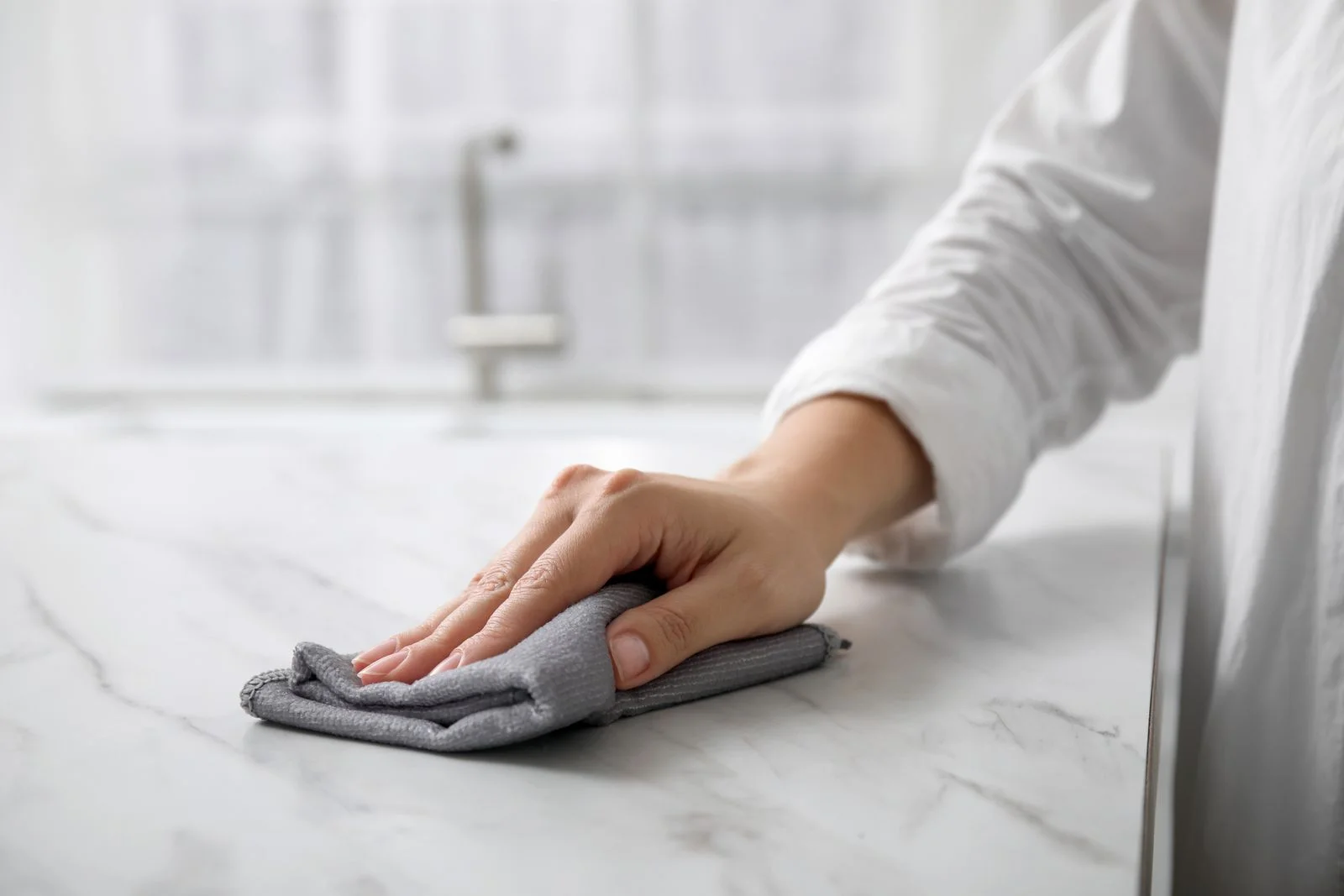
Dr. Glazier points out that solid surface materials such as stone or laminates are easier to clean and disinfect compared to wood counterparts. “Similarly, easy-to-clean backsplashes and bathroom paint are more easily disinfected than standard wall paints and stand up well to repeated cleaning,” he adds. Having painted houses during medical school to finance his education, Dr. Glazier points out that, “high traffic areas such as hallways and kitchens do better with eggshell finishes compared to flat,” as matte finishes are less wipeable. But don’t just spray any cleaning product as it could discolor the paint color. For best results, use a microfiber cloth dipped in a solution of water and gentle dish soap.
Love it or hate it, bleach kills the influenza virus. Once household bleach is diluted, it can disinfect within 10 minutes, and certainly after an hour. “Natural stone countertops can be cleaned on a regular basis with a bleach solution that will destroy germs, but not the material,” says Zach Epstein, president and chief product officer at Artistic Tile. In the case of a household flu onset, you can have the Clorox Free & Clear Disinfecting mist on hand—a solid arsenal post a sneezing fit.
Color-code tableware

Designating a glass or cup to each household member is smart practice to stop cross contamination; consider a set that comes in several different colors. Or, take things a step further by pulling out your mule mugs. Copper vessels have antibacterial properties that can disinfect water, according to research.
Place hand sanitizer in high-traffic zones
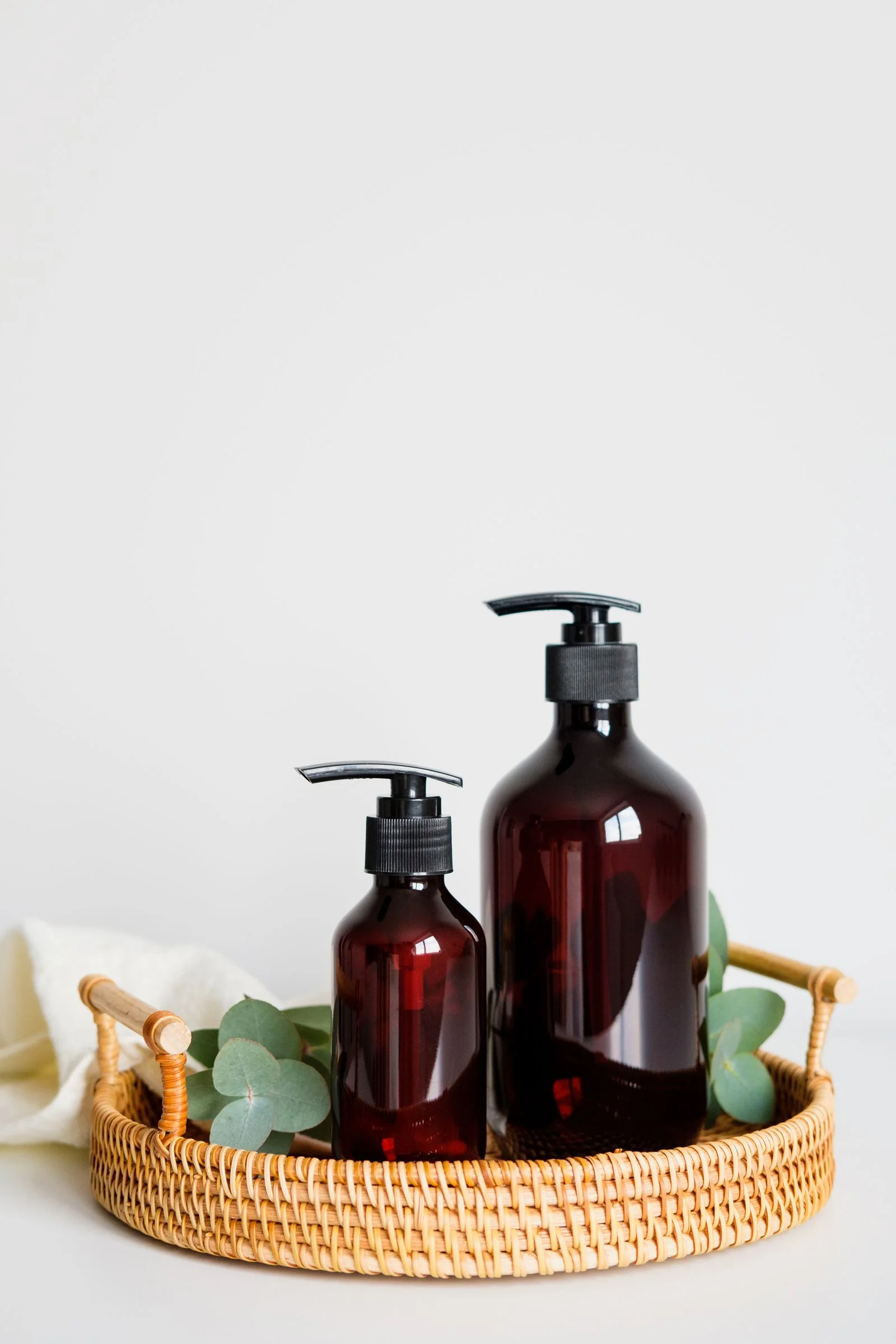
To keep viruses away throughout the day, leave hand sanitizer bottles in high-risk areas. As you know, viruses spread when you introduce them to your body via hand to mouth, nose, and eyes. Unless you plan on a routine hand-washing schedule, it’s easy to cross contaminate. Adding a bottle of hand sanitizer to your home office desk, kids’ homework stations, and nightstand can further KO the spread.
To go the extra mile, add KN95 face masks to the hand sanitizer stations where they’ll be easy to grab on the way out. The U.S. Centers for Disease Control and Prevention (CDC) notes that this extra layer can help protect you from respiratory illness transmission and prevents you from inhaling the virus. Keep masks within reach by curating your collection on a pretty tray to forgo the sterile, medicinal vibes.